
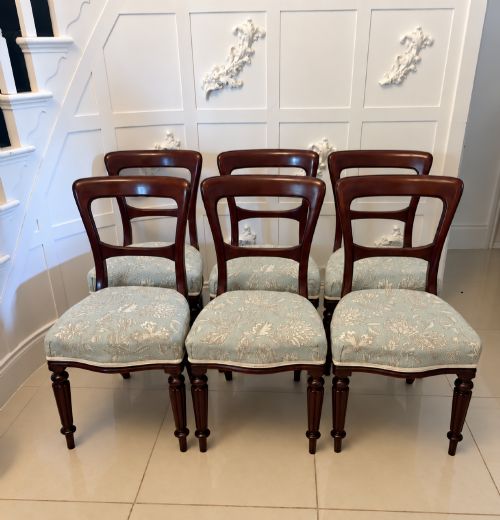
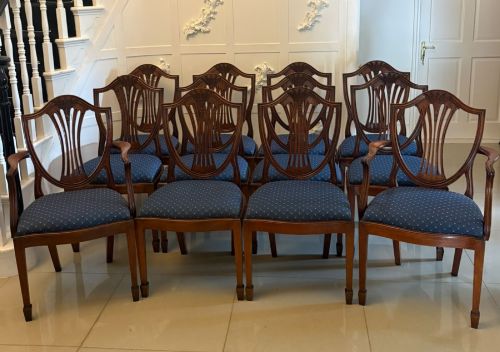
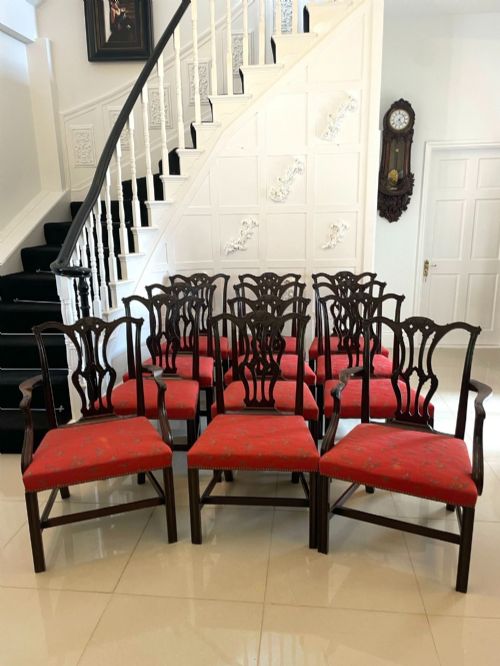
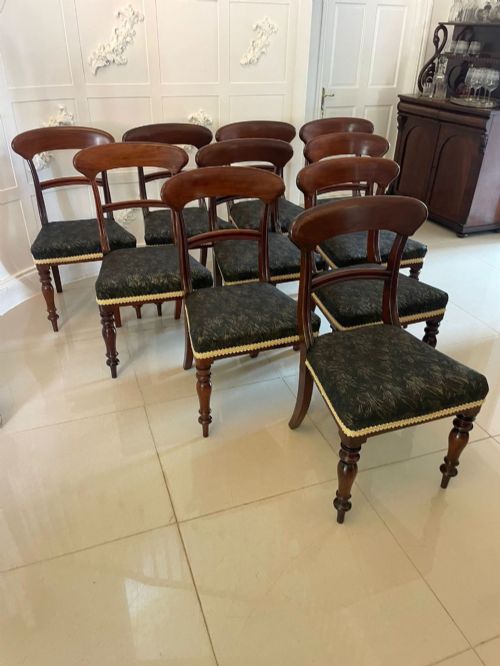
Period Seating
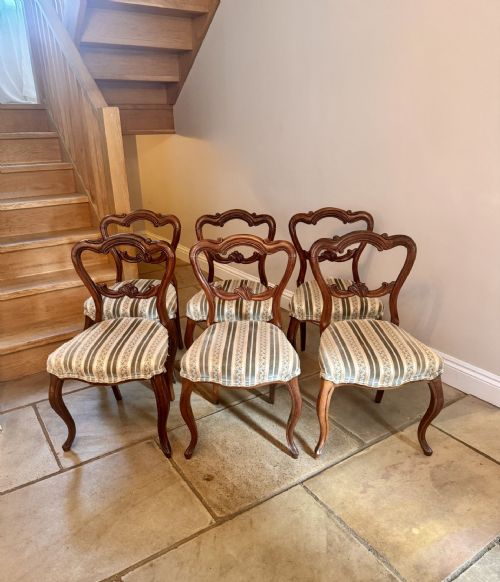
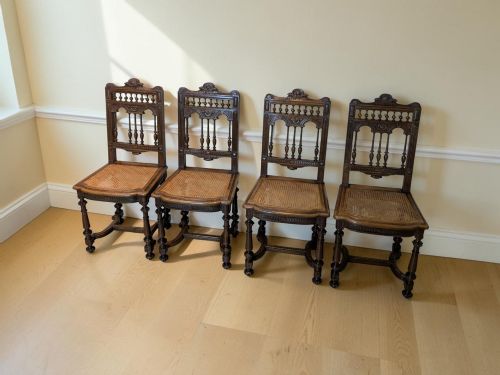
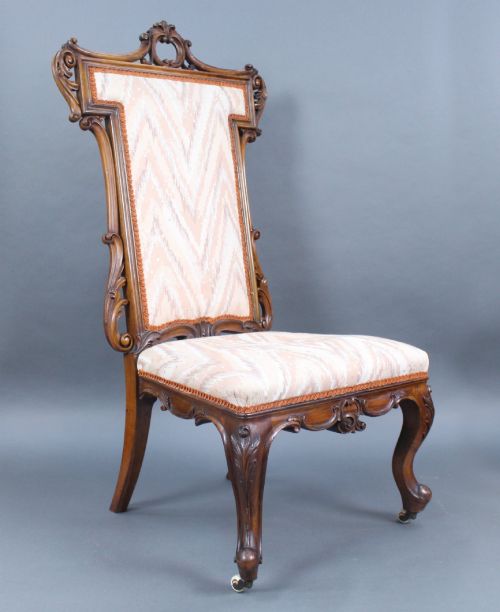
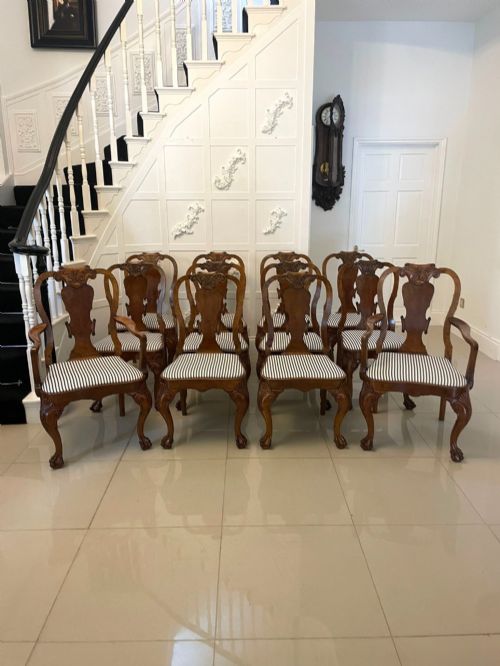
Period seating comprises historic chairs, stools, and benches in woods like mahogany and oak, sought after for grounding a room in traditional craftsmanship.
Period Seating
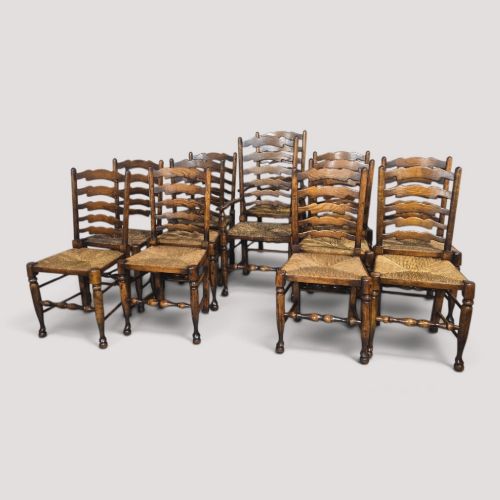
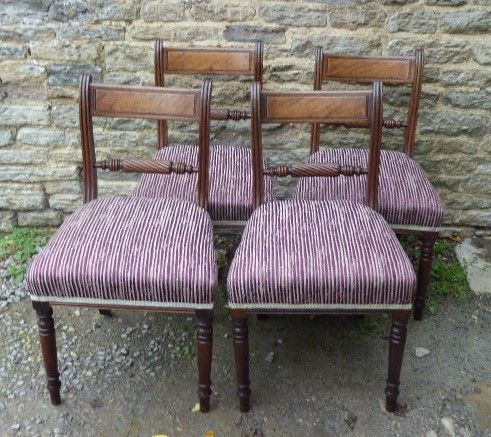
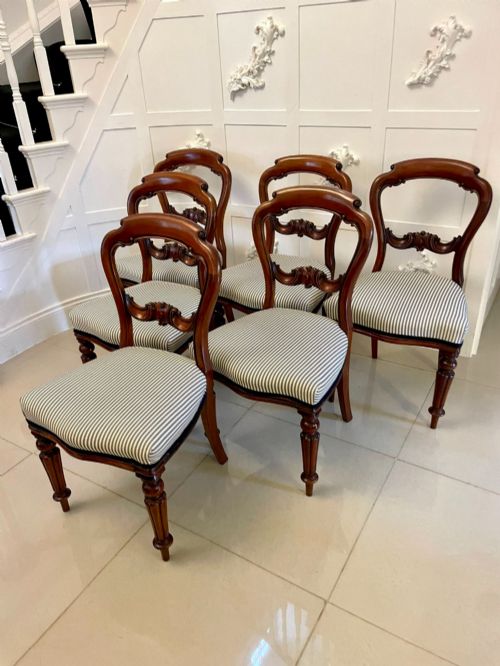
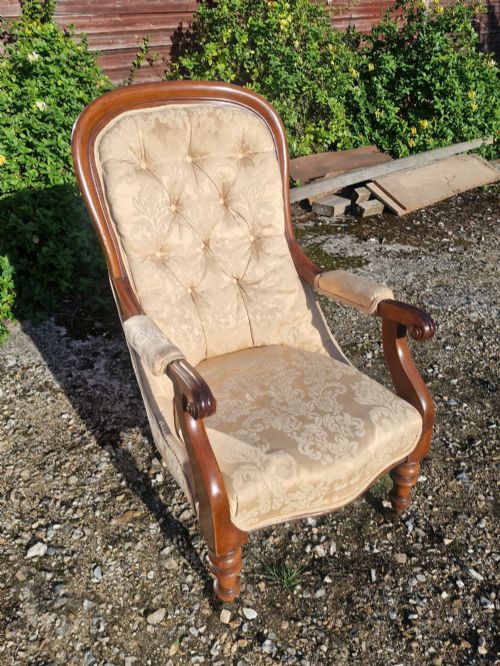
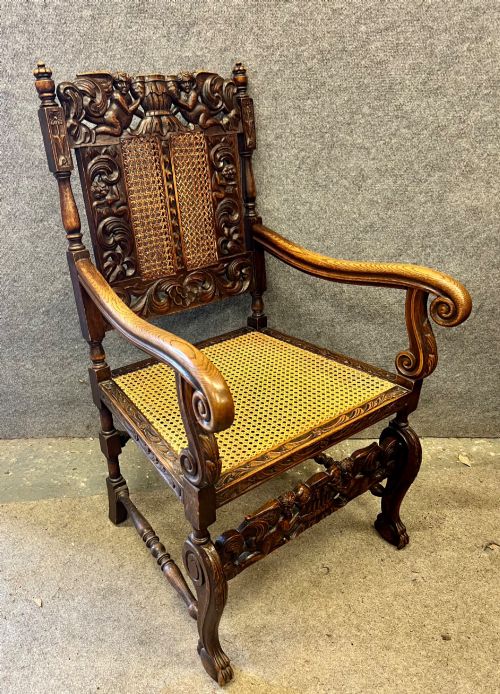
Period seating encompasses a broad spectrum of historical furniture, including dining chairs, armchairs, occasional chairs, stools, benches, and sofas. The selection ranges from robust seventeenth-century joined oak items to refined eighteenth-century Georgian designs and nineteenth-century Victorian mahogany or rosewood variations.
Materials and construction
Cabinet makers relied heavily on hardwoods such as mahogany, oak, walnut, and rosewood for structural integrity and decorative grain patterns. Secondary timbers like elm and ash appear in country chairs, while brass inlays and carved details provide ornamental contrast.
Joinery methods involved traditional techniques like mortise and tenon joints, particularly in earlier oak pieces, alongside turned legs, reeded accents, and carved splats. Upholstered variants incorporated textiles, leather, fabric, and velvet secured over webbing and stuffing.
The listings span from the seventeenth century through the Victorian era, utilising materials such as mahogany, oak, rosewood, walnut, fabric, and brass.
Assessing craftsmanship
Superior examples demonstrate crisp, deep carving on splats and frames, whereas lesser pieces feature shallow or mechanically cast ornamentation. The selection of timber grain, such as burr walnut or figured mahogany, distinguishes higher grade items from plain stock.
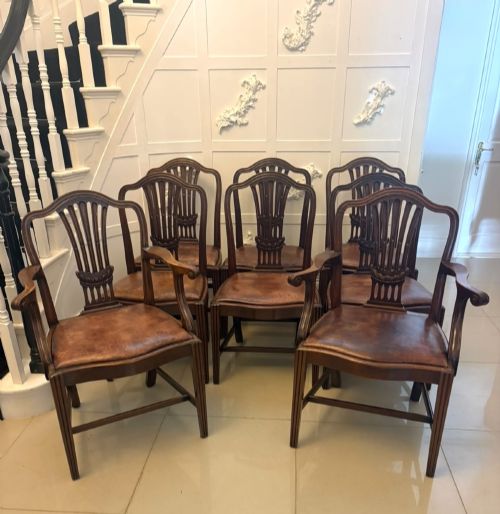
Originality of components dictates overall merit, distinguishing items retaining their initial finish and structural joinery from heavily restored or assembled sets. Matching sets of twelve or ten command greater consideration than assembled groups patched together from disparate origins.
The Period Seating Glossary
- Carver
- An armchair designed <em>to match</em> a set of smaller dining chairs, typically placed at the head of a table.
- Splat
- The vertical central strip of wood in the back of a chair, often pierced or carved into distinct patterns.
- Reeded
- A decorative moulding consisting of parallel convex strips resembling inverted fluting, commonly found on legs.
- Joint stool
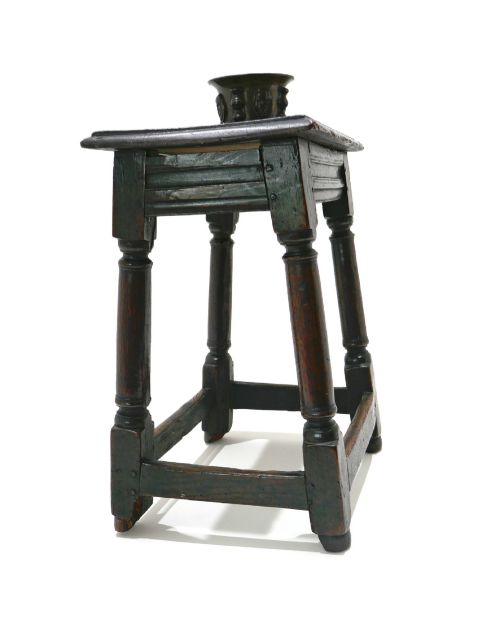
- A sturdy wooden stool built with pegged mortise and tenon joints rather than turned legs, dating to earlier centuries.
- Shield back
- A chair back shaped like a heraldic shield, popular in late eighteenth-century designs.
Period Seating: Frequently Asked Questions
How do I care for antique wood chairs?
Apply traditional beeswax sparingly with a soft cloth to nourish the timber, avoiding silicone-based polishes that build up over time.
Keep wooden furniture away from direct heat sources and strong sunlight to prevent the timber from drying out and splitting.
Can I use period dining chairs daily?
Most solid mahogany and oak chairs from the Georgian and Victorian eras remain structurally robust enough for regular family dining.
Check joints periodically for movement and ensure loose rungs are professionally re-glued before heavy use occurs.
What is the difference between carvers and side chairs?
Carvers feature armrests designed for comfort, traditionally used by the host at the head of a dining table.
Side chairs lack arms, allowing multiple seats to fit compactly alongside each other down the length of the table.
How do I identify a Regency chair?
Regency seating often incorporates classical motifs, saber legs, brass inlay, and dark rosewood or mahogany timbers reflecting early nineteenth-century tastes.
Look for influences drawn from ancient Greek, Roman, and Egyptian design books translated into British cabinet making.