

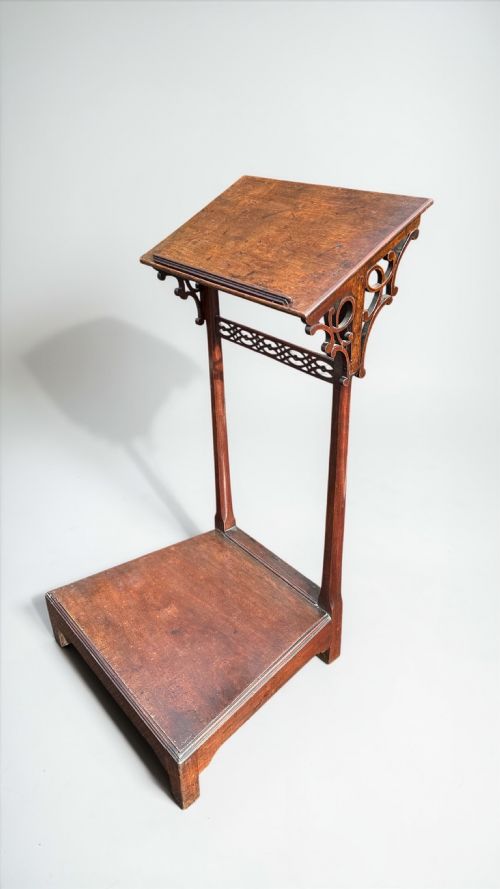


Period Revival Furniture
Period revival furniture brings earlier historical forms into later homes, offering a blend of past design and period execution.
Period Revival Furniture
Period revival furniture reinterprets historical designs across various centuries, bringing classical proportions and ornamentation into later domestic interiors. Pieces range from seating and storage to architectural hardware, reflecting enduring tastes for earlier aesthetics.
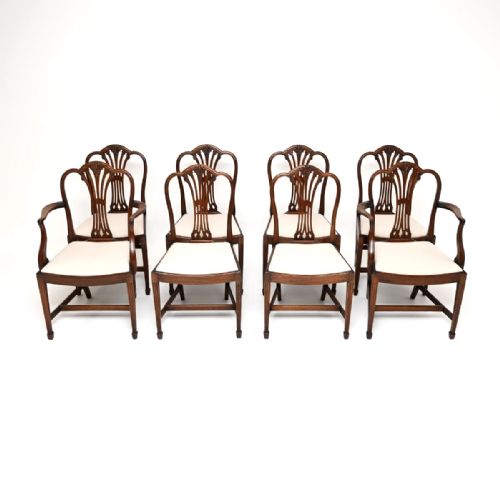
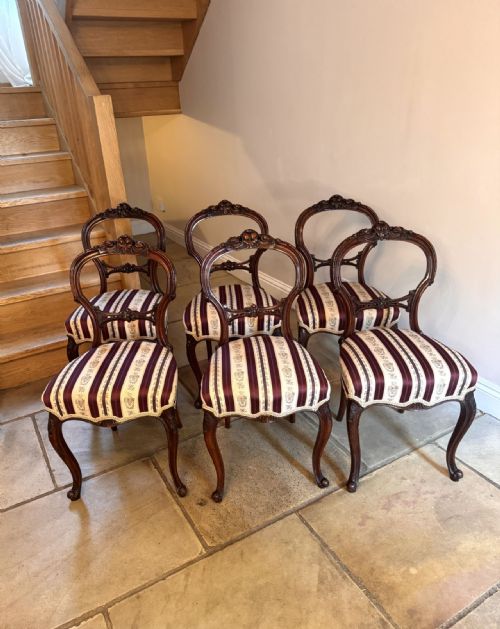
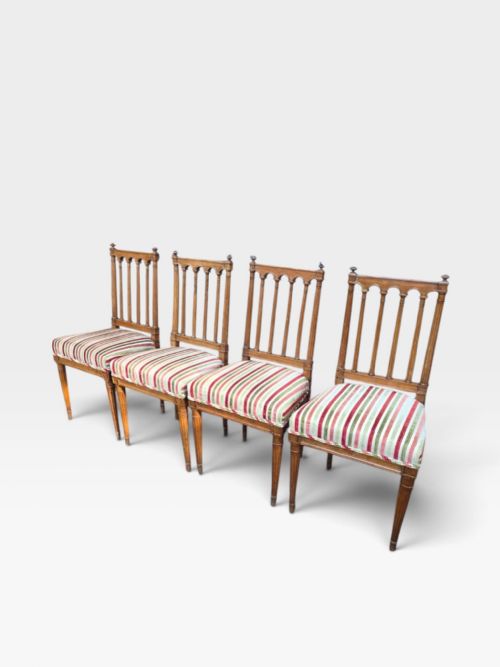
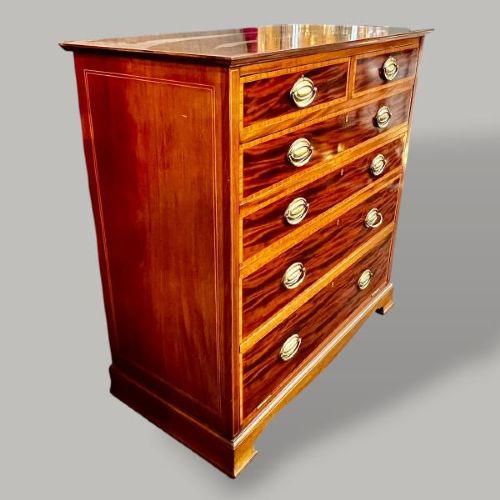
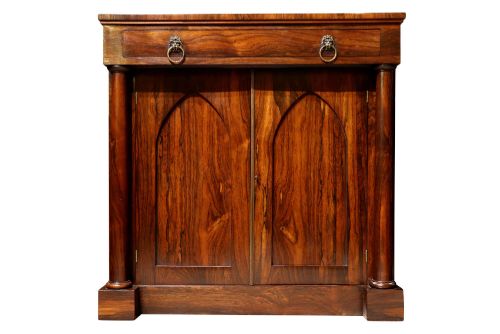
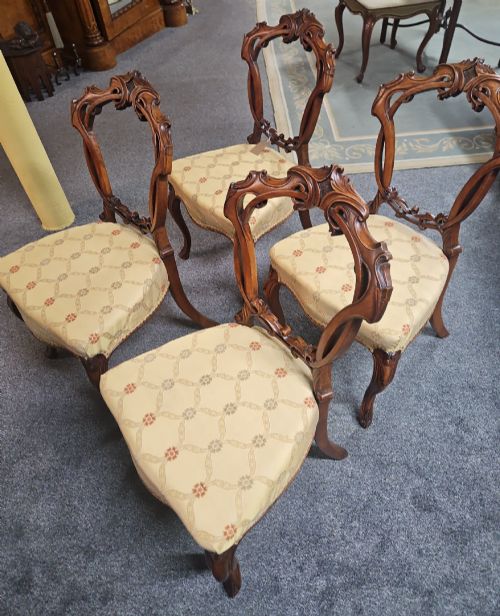
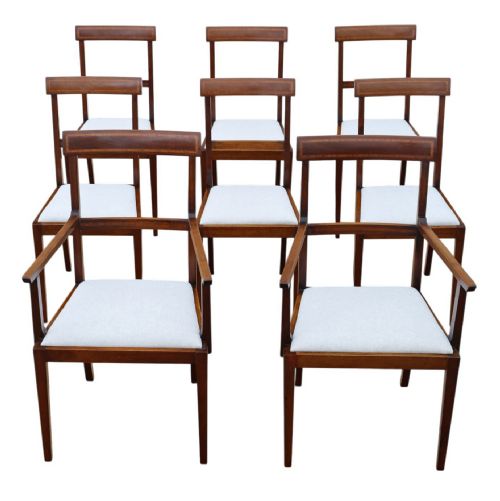
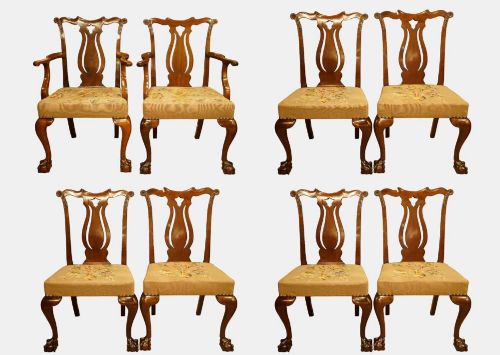
The material record on this page spans Victorian, Edwardian, and 19th Century eras, alongside specific Regency and Georgian revivals. Dining chairs, chiffoniers, and chests of drawers form the primary object types encountered.
Makers and designers drew heavily on Chippendale, Sheraton, and Gothic idioms, adapting older frameworks to suit contemporary furnishing needs. This practice created a distinct category of pieces that respect historical precedent while serving later utility.
Materials and methods
Construction relies upon primary hardwoods such as mahogany, walnut, oak, and rosewood, frequently enhanced with satinwood inlay or brass hardware. Upholstery fabrics complete many seating forms, utilising original textiles where preserved.
Cabinetmakers employed traditional joinery techniques suited to each revived style, incorporating carved detailing, parcel-gilt finishes, and faux rosewood graining. These methods mirror the craftsmanship of the original periods being emulated.
Period Revival Furniture Retail Price Guide 2026
Typical asking prices for period revival furniture among the pieces listed under this phrase on Sellingantiques today, from the lower quarter to the upper quarter. They describe what is for sale here now, not the wider market.
A solitary brass centre door knob stands ready to announce visitors to a Victorian hall.
Distinctions in quality
Quality rests upon the fidelity of the revival design and the selection of timber used for the carcase and secondary woods. Finer examples maintain accurate proportions and crisp carving that reflect the ambition of the original period.
The integrity of surface finishes, whether polished rosewood, walnut, or parcel-gilt, separates standard production from superior pieces. Original hardware, upholstery, and intact structural elements further distinguish the upper tier of surviving examples.
Harrods
The Period Revival Furniture Glossary
- Chiffonier
- A low cabinet or sideboard featuring doors or drawers, popular during the 19th century for living spaces. These pieces often incorporated Gothic or classical detailing.
- Chippendale Revival
- A style drawing upon the mid-18th-century designs of Thomas Chippendale, characterised by carved mahogany frames and ornate back splats. Makers revisited these patterns to satisfy Victorian and Edwardian tastes.
- Sheraton Revival
- An aesthetic taking inspiration from the late-18th-century neoclassical furniture of George Sheraton. It typically displays lighter proportions, satinwood veneers, and refined inlay work.
- Parcel-gilt
- A decorative technique where specific carved details or highlights are selectively covered in gold leaf. This finish accentuates the structural lines of console tables and mirrors.
- Devotional Furniture
- Pieces created for private prayer or religious observance, such as prie-dieu desks and chairs. They incorporate kneeling ledges and upholstered rests tailored to personal use.
Period Revival Furniture: Frequently Asked Questions
What is period revival furniture?
Period revival furniture consists of later pieces designed in the stylistic idioms of earlier centuries, such as Georgian, Regency, or Gothic eras. These items capture the aesthetic essence of historical epochs while utilising the construction methods of their own time of manufacture.
Buyers encounter these designs across various forms, including dining chairs, cabinets, and chests, allowing historical interior themes to be achieved with pieces from the 19th and early 20th centuries.
How do I date revival pieces?
Dating revival furniture requires examining the secondary timbers, construction joints, and stylistic quirks that betray the actual period of manufacture rather than the style being emulated. Examining screws, backboards, and internal linings provides reliable clues.
Comparison with documented examples from the Victorian or Edwardian eras helps establish whether a piece is an early 19th-century interpretation or a later 20th-century homage.
Where were these pieces used?
These items were built for formal reception rooms, dining halls, and bedrooms within period domestic architecture. Chiffoniers and side cabinets served dining spaces, while hall cabinets and console tables appointed entranceways.
Their placement reflected the social routines of Victorian and Edwardian households, where distinct rooms demanded specific historical revivals to project status and taste.
How should I care for timber?
Maintaining wood surfaces involves keeping pieces away from direct heat sources and fluctuating humidity that can cause timber to split or veneer to lift. Regular dusting with a dry, soft cloth preserves the polish without chemical buildup.
Applying appropriate wax sparingly helps nourish hardwoods like mahogany and walnut, maintaining the natural lustre developed over decades of use.