



.jpg)
Period Portrait of Girl
A period portrait of girl brings historic youth into a room through oil and watercolour, offering a direct link to past centuries.
Period Portrait of Girl
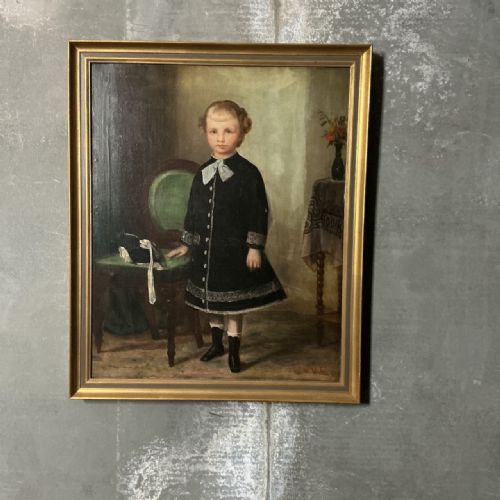
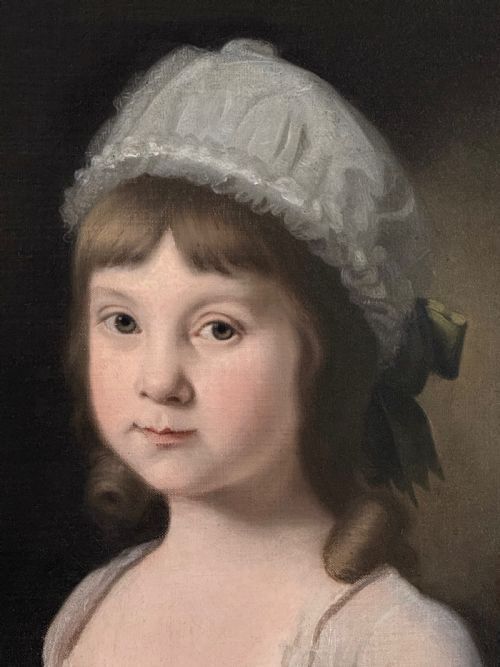
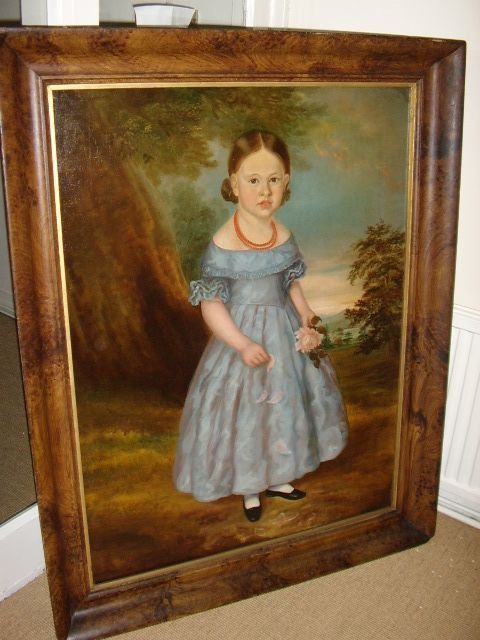
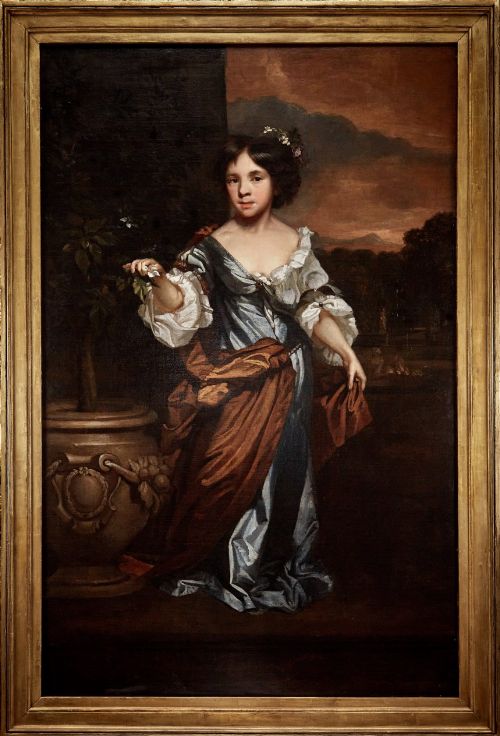
A period portrait of girl captures young subjects across centuries of artistic tradition, spanning the seventeenth, eighteenth, and nineteenth periods. These works range from large oil paintings on canvas to intimate miniature watercolours housed in ebonised or giltwood frames.
Subjects appear in various settings, including garden terraces, architectural backdrops, and coastal scenes, often accompanied by pets, hats, or simple dresses. The works originate from British and European schools, reflecting the stylistic shifts from Baroque and Rococo to Regency and Edwardian aesthetics.
Materials and methods
Artists painted primarily with oil on canvas or board, applying pigment to capture clothing details like white dresses, blue sashes, and pink fabrics. Miniature paintings employed delicate watercolour techniques on paper, preserved under glass within protective frames.
Frames themselves utilise wood, such as ebonised timber and gilded carved wood, constructed to protect and display the delicate painted surfaces within domestic interiors.
Several young subjects share the canvas with pets, including a dog named Mr Quiz and various unnamed birds.
Assessing visual execution
The sophistication of brushwork and anatomical proportion distinguishes finer academic output from simpler naive art interpretations. Painters demonstrate skill in rendering facial expression, fabric folds, and ambient lighting.
Condition of the canvas and pigment stability influence the visual impact of the artwork. Original frames matching the period of the painting add integrity to the overall piece.
Joshua Reynolds·John Riley·John Closterman·Pierre Gobert·Christian Lindner·Robert Kemp·Harry John Pearson
The Period Portrait of Girl Glossary
- Miniature painting
- A small-scale portrait, often executed in watercolour or enamel, designed for intimate viewing or portable display. These works required precise brushwork using fine implements.
- Giltwood
- Wood that has been coated with a thin layer of gold leaf or powder. This finish was common on decorative frames during the Georgian and Regency periods.
- Ebonised
- Wood treated to imitate ebony, typically through staining or painting dark. It provides a stark contrast to gilded elements and bright watercolours.
- Naive art
- Artistic production created by individuals without formal academic training. These pieces exhibit a charming flatness and direct perspective.
- Provenance
- The documented history of ownership associated with an artwork. It establishes authenticity and traces the journey of the piece through time.
Period Portrait of Girl: Frequently Asked Questions
How do I date a portrait?
Examine the clothing style, hair arrangement, and framing materials. Portraiture often reflects the distinct fashion trends of its specific decade of creation.
Compare the canvas preparation and pigment characteristics with documented examples from known periods.
Where should I hang these paintings?
Select walls away from direct sunlight and excessive moisture to protect oil on canvas and delicate watercolours. Smaller miniatures suit intimate spaces or groupings.
Ensure the room humidity remains stable to prevent wood framing and canvas degradation.
What is naive art?
Naive art describes paintings created outside traditional academic standards, often characterised by unconventional perspective and direct expression. These pieces possess an unpolished charm.
Such works often originate from provincial artists working independently of major metropolitan schools.
Are frames original?
Many periods paired portraits with specific frame styles, such as ebonised wood or giltwood mouldings. Inspect the joinery and wear patterns to assess if the frame matches the age of the canvas.
Replacement frames remain common in older artworks due to centuries of domestic movement.