



Period Pier Glass
A period pier glass brings architectural poise to a room, catching the light between windows.
Period Pier Glass
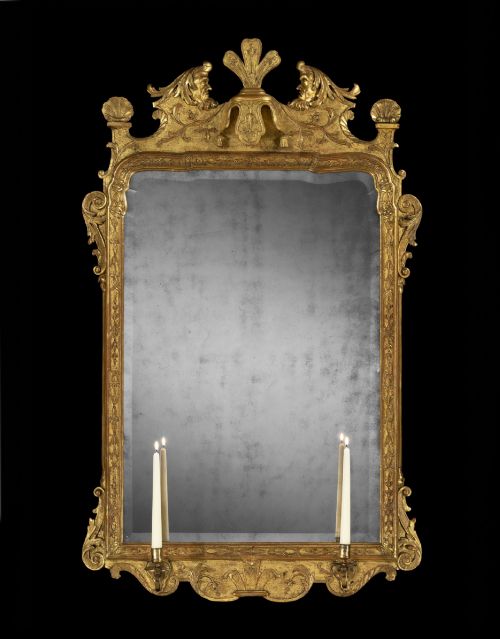
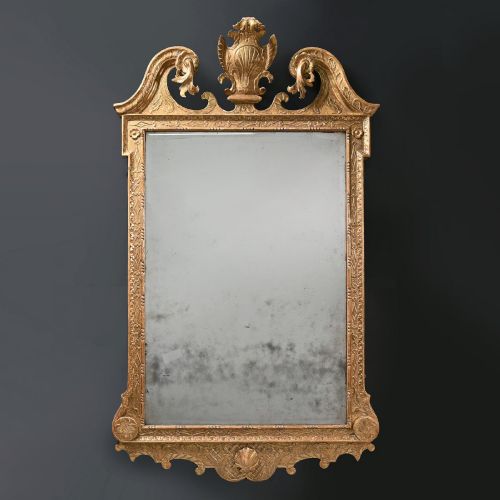
A period pier glass is a wall-hanging mirror traditionally hung on the narrow wall space between windows, known as the pier. When you search for a period pier glass, you find vertical mirrors designed to reflect natural light deep into reception rooms.
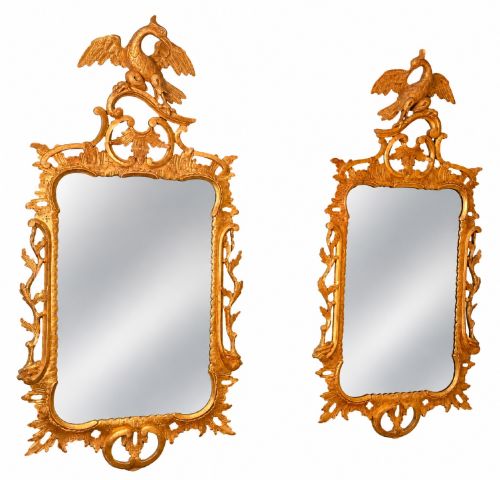
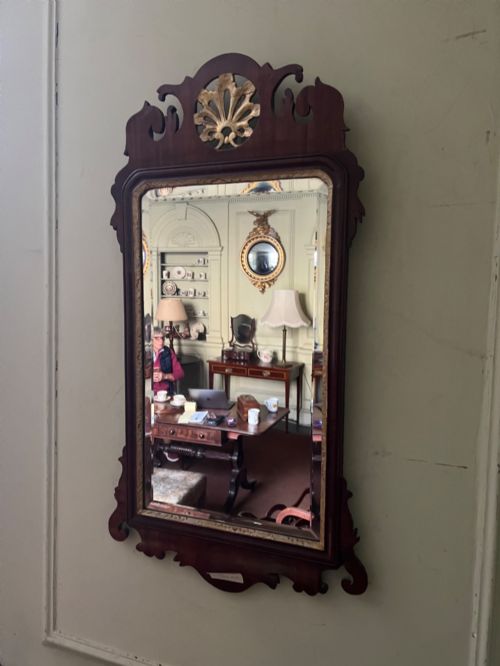
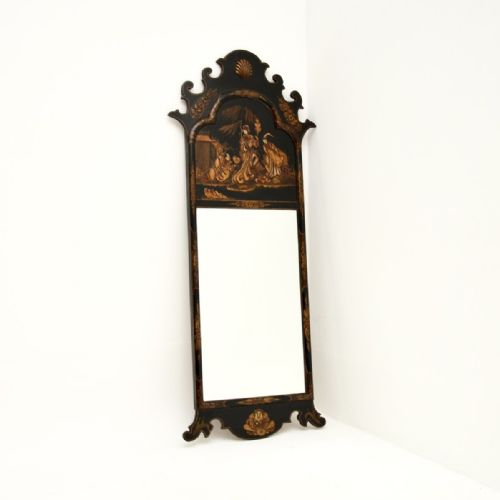
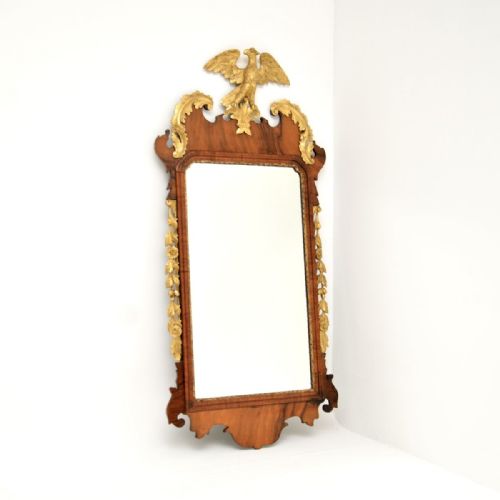
The pieces on this page span the eighteenth and nineteenth centuries, alongside revival designs, encompassing forms such as tall wall mirrors and console tables with matching glasses. Walnut, mahogany, and giltwood frames dominate, reflecting classical and rococo tastes from Georgian and Regency eras.
Most examples you encounter here adhere to traditional proportions, often featuring carved giltwood, gesso, or parcel-gilt mahogany. These tall vertical formats served to illuminate dark panelled rooms and balance the fenestration of historic interiors.
What separates the finest examples
Quality rests in the crispness of the hand-carved detail across gesso and giltwood, where deep undercut foliage distinguishes master carvers from routine workshops. The depth and integrity of the original mercury or silvered mirror glass also set superior pieces apart.
Proportion dictates visual success, with the finest mirrors maintaining an exact balance between frame width and reflective surface area. Original gilding surfaces that retain their historic patina without excessive restoration command greater appreciation.
Period Pier Glass Retail Price Guide 2026
Typical asking prices for period pier glass among the pieces listed under this phrase on Sellingantiques today, from the lower quarter to the upper quarter. They describe what is for sale here now, not the wider market.
William Kent·John Belchier
The Period Pier Glass Glossary
- Pier glass
- A tall mirror designed specifically to hang on the wall space between two windows. It frequently matches a console table placed directly beneath it.
- Gesso
- A mixture of chalk or plaster and size used as a base for moulding and gilding on wooden frames. Artisans carved intricate relief patterns directly into this ground.
- Parcel-gilt
- Woodwork that is partially gilded with gold leaf while other areas reveal the natural polished timber beneath. This technique highlights specific architectural mouldings.
- Fretwork
- Ornamental patternwork created by piercing thin panels of wood with a fretsaw. It appears frequently on mid-eighteenth-century frames.
- Trumeau
- A decorative wall mirror incorporating a painted panel or oil painting above the glass plate. These originated in French interior decoration.
- Giltwood
- Timber, typically softwood, that has been coated with gold leaf over a prepared gesso ground. It provides a bright, luxurious surface.
Period Pier Glass: Frequently Asked Questions
Where should I hang a period pier glass?
These mirrors suit narrow wall spaces between windows or above console tables, where they reflect maximum light into the room. Their vertical format naturally draws the eye upward.
Ensure the wall construction supports the considerable weight of timber and glass frames, particularly older giltwood pieces.
How do I distinguish an eighteenth-century original from a revival piece?
Examine the construction joints, timber shrinkage, and the backboards for signs of age appropriate to the period claimed. Mirror glass itself often shows subtle foxing or hand-bevelled irregularities.
Revival pieces from later periods frequently employ machine-sawn timber and standardised mouldings while adopting earlier design vocabularies.
What is parcel-gilt decoration?
Parcel-gilt describes an object where only designated areas of the carved wooden frame are covered in gold leaf. The remaining sections display polished walnut or mahogany.
This technique creates a sophisticated contrast between warm natural timber and brilliant metallic highlights.
How should I clean an antique mirror plate?
Use a soft, dry microfibre cloth to gently remove dust from the glass and fragile frame surfaces. Avoid spraying liquids directly onto antique mirror plates or gesso.
Excessive moisture can seep behind old silvering or damage vulnerable water-gilt finishes.