




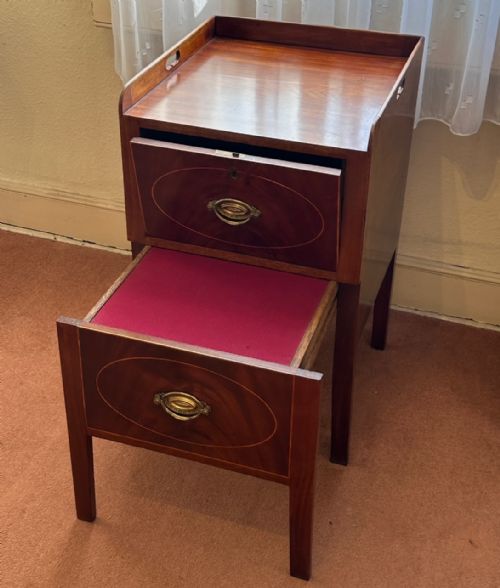


Period Pedestal Cupboard
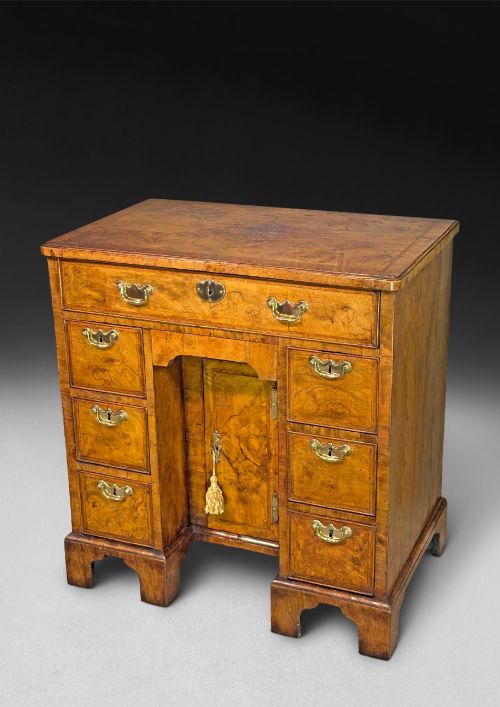
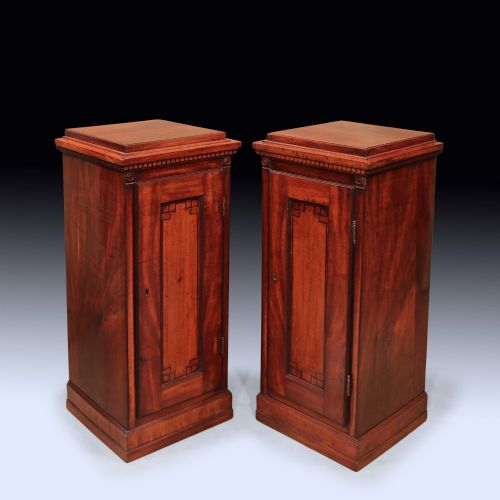
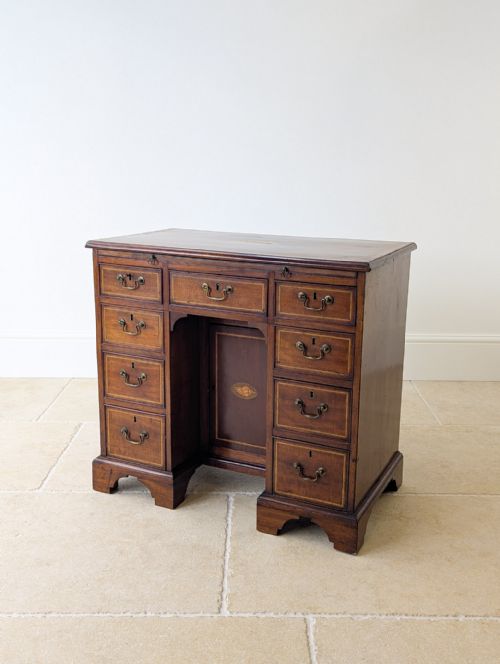
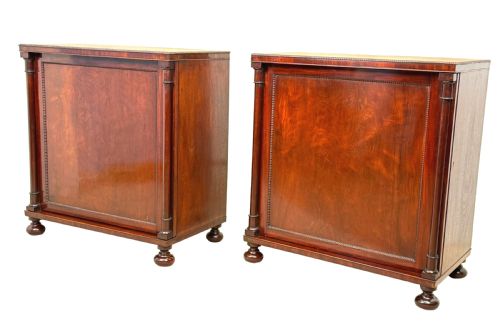
These period pedestal cupboard pieces are substantial freestanding storage units built from quality timbers to serve daily domestic needs.
Period Pedestal Cupboard
A period pedestal cupboard brings architectural presence and concealed storage to a room, serving as a bedside cabinet, sculpture stand, or small side unit. When you search for period pedestal cupboard, you encounter single items and matching pairs designed with cylindrical or rectilinear bodies.
The selections span several centuries, reaching from the 18th century through the Regency era and into the Victorian period and the 1930s. Most examples adhere to classical styles including Georgian, George III, and Regency, while specific forms range from bedside tables and cabinets to architectural column designs.
Makers adapted the pedestal form for various functions, incorporating pull-out steps or enclosing shelves behind tight-fitting doors. These pieces often utilise traditional timber construction methods to maintain structural integrity while displaying striking wood grains.
Materials and Construction
Makers relied heavily on mahogany, flame-mahogany, oak, and walnut, often selecting boards with dramatic natural grain patterns. Marquetry inlay and birds eye maple appear on specific examples to create visual contrast on the exterior surfaces.
Cabinet makers utilised solid timbers alongside stable veneers, mounting doors on discreet hinges and forming cylindrical bodies with curved panels. Brass handles, mounts, and fittings were added to doors and drawers, complementing the dark tones of the primary woods.
Period Pedestal Cupboard Retail Price Guide 2026
Typical asking prices for period pedestal cupboard among the pieces listed under this phrase on Sellingantiques today, from the lower quarter to the upper quarter. They describe what is for sale here now, not the wider market.
Some Regency bedside cabinets hide a pull-out step inside, designed to help shorter owners climb into high historical beds.
Assessing Craftsmanship
The standard of a pedestal cupboard rests in the selection of the timber and the precision of the joinery. Superior examples display continuous grain matching across doors and drawers, alongside crisp mouldings that define the architectural columns and cornices.
The integration of functional elements, such as smooth-running pull-out steps and well-fitted internal shelving, distinguishes standard cabinet work from finer commissions. Original brass hardware and sound structural framing without excessive modern intervention indicate a higher grade of historical manufacture.
S Jamar
The Period Pedestal Cupboard Glossary
- Flame-mahogany
- A veneer cut from the branch junction of a mahogany tree, producing a distinctive fire-like ripple pattern across the surface. This cut was favoured for prominent drawer fronts and cupboard doors.
- Cylindrical
- Built with a rounded, circular cross-section rather than straight flat sides. This curved form requires advanced woodworking techniques to shape the timber accurately.
- Marquetry inlay
- Decorative patterns formed by fitting small pieces of contrasting wood veneer into a prepared background. It creates intricate geometric or floral designs on the cabinet exterior.
- Kneehole desk
- A compact desk featuring a central recess for the user's knees, flanked by pedestals containing multiple small drawers. These units combine the enclosed storage of a cupboard with a working writing surface.
- Chiffonier
- A low sideboard or cabinet developed in the 19th century, typically featuring enclosed shelving beneath a tiered superstructure. It provides both display space and concealed storage.
Period Pedestal Cupboard: Frequently Asked Questions
What is a period pedestal cupboard used for?
These cabinets primarily provided bedside storage or compact display surfaces in period bedchambers and drawing rooms. Their enclosed compartments kept personal items out of sight while offering a sturdy top surface for lighting or decorative objects.
Over time, makers adapted the pedestal form into specialised variations such as sculpture stands and architectural column units. Their modest footprint allowed them to fit neatly into corners or beside heavy four-poster beds.
How do I identify a Regency period cupboard?
Regency pieces often display classical architectural influences, including cylindrical bodies, column details, and dark flame-mahogany veneers. They frequently incorporate restrained brass mounts rather than heavy carved ornamentation.
Construction details also help distinguish the era, such as secondary timbers used inside drawers and specific jointing techniques. The emphasis during this period remained on clean geometric lines and striking wood grains.
Are these cupboards sold as pairs?
The inventory includes both individual cabinets and matched pairs intended to flank a bed or a fireplace. Pairs share identical timber selections, dimensions, and decorative treatments.
Finding a surviving pair from the Georgian or Regency eras is less common than discovering single units. Matching pairs generally exhibit uniform ageing across both pieces.
How should I care for a mahogany cabinet?
Maintain historical mahogany and walnut surfaces by keeping them away from direct sunlight and sudden temperature shifts. This prevents the timber from drying out and protects the underlying veneer.
Apply traditional wax sparingly and buff gently with a soft cloth to preserve the natural sheen of the wood. Avoid using modern silicone sprays or abrasive household cleaners.