

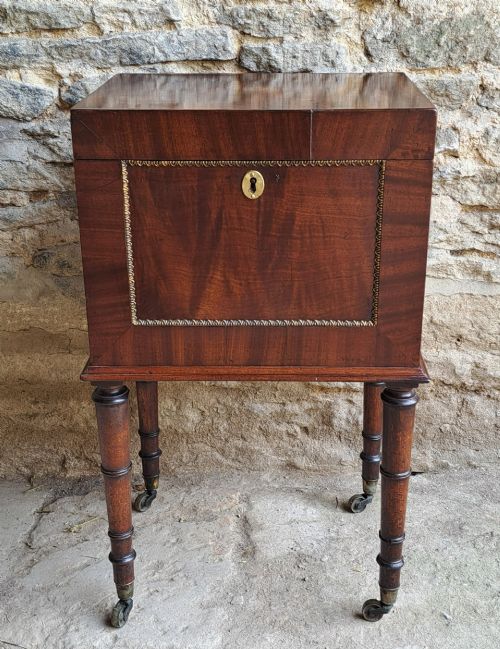
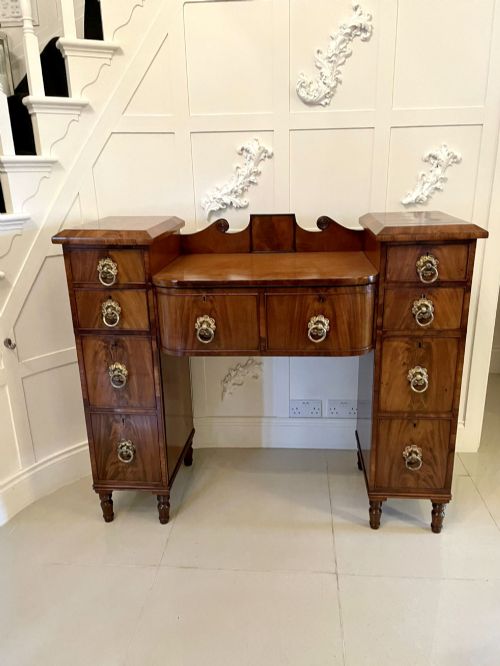
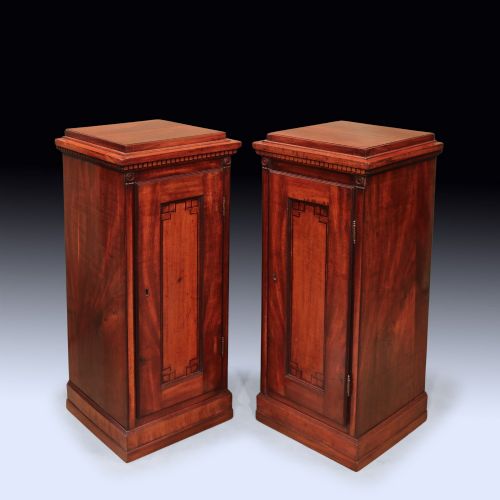
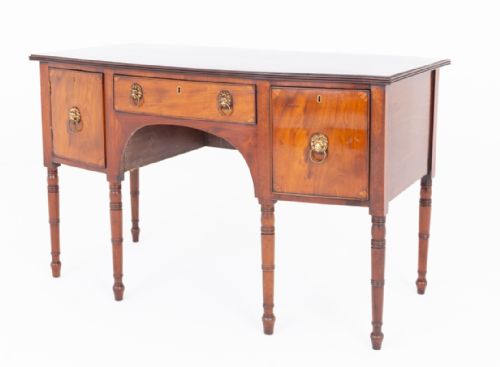





Period Pedestal Cabinets
Period pedestal cabinets are architectural storage pieces built to anchor a room, and you are looking for sturdy mahogany or maple examples with genuine presence.
Period Pedestal Cabinets
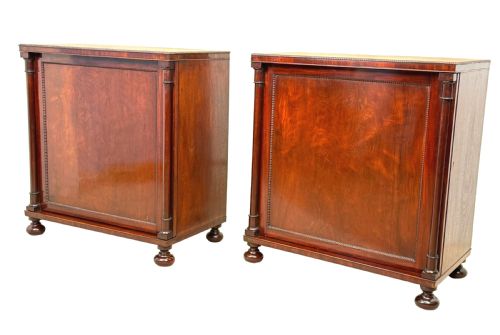
Period pedestal cabinets encompass a range of freestanding cupboards, sideboards, and bedside units designed with solid upright proportions. When you search for period pedestal cabinets, you encounter forms stretching from George III designs through to the Art Deco era.
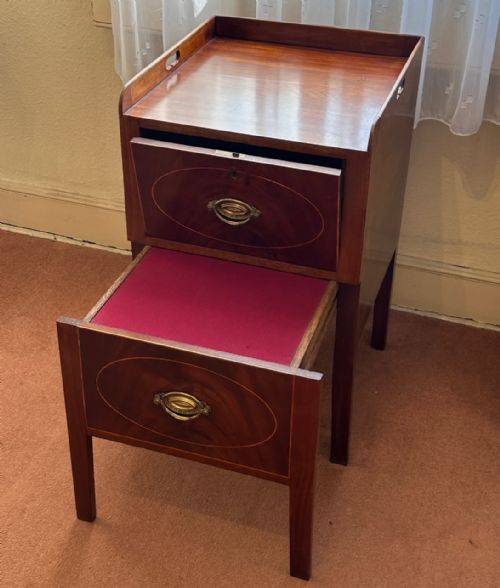
Mahogany and flame mahogany dominate the pieces available, often constructed as cylindrical bedside cupboards or twin pedestal sideboards. You also meet occasional variations such as birds eye maple or satinwood, reflecting styles from Regency to Victorian periods.
How they were made
Cabinet makers utilised dense timber stocks like mahogany and satinwood, frequently selecting figured flame veneers to cover structural carcases. Timber sections were shaped into cylindrical bodies or architectural column designs, relying on the natural grain for visual impact.
Metal mounts in brass and ormolu were cast and applied to doors, feet, and galleries to accentuate the linear geometry of the furniture. Glass panels and internal pull-out steps or fitted writing surfaces were integrated with traditional joinery methods.
Period Pedestal Cabinets Retail Price Guide 2026
Typical asking prices for period pedestal cabinets among the pieces listed under this phrase on Sellingantiques today, from the lower quarter to the upper quarter. They describe what is for sale here now, not the wider market.
The listings span the 18th, 19th, and 20th centuries, featuring materials such as brass, glass, and ormolu alongside diverse mahogany variants.
What varies in quality
The selection of timber grain sets apart standard utility furniture from exceptional examples, particularly where symmetrical flame mahogany or figured birds eye maple veneers wrap around curved surfaces. Cabinet makers who matched grain patterns across doors and drawers achieved a cohesive visual weight.
Subtlety in proportion and hardware integration dictates distinction, such as diminutive scales, architectural column details, and finely cast ormolu or brass fittings. The precision of internal mechanics, including pull-out steps and fitted desks, separates straightforward storage from masterwork design.
S Jamar
The Period Pedestal Cabinets Glossary
- Flame mahogany
- A veneer cut from the fork of a mahogany tree where the branches join the trunk, producing a distinctive flickering flame pattern. This decorative figuring was highly prized in Regency cabinet work.
- Ormolu
- Gilded bronze ornamentation applied to furniture surfaces and mounts. It provides a metallic contrast to dark woods like mahogany.
- Cellaret
- A lockable cabinet or container used for holding bottles of wine and spirits. Many examples double as low pedestal forms.
- Satinwood
- A durable hardwood with a lustrous, satin-like sheen and a yellowish colour. It was frequently utilised for fine inlay and servers during the Georgian and Regency periods.
Period Pedestal Cabinets: Frequently Asked Questions
What defines a pedestal cabinet?
These pieces are characterised by vertical columnar or cupboard structures that stand independently, often flanking larger furniture or serving as substantial bedside units.
They provide enclosed storage within a compact footprint while displaying the formal stylistic traits of their manufacturing period.
How do I spot a Regency piece?
Regency items frequently display classical architectural motifs, such as column designs, cylindrical bodies, and restrained brass or ormolu mounts.
Makers of this era focused on clean lines, dark mahogany timbers, and figured veneers without heavy carving.
Where were bedside cabinets used?
Bedside cabinets and cupboards were placed directly beside sleeping quarters to hold personal items, night-time books, or chamber equipment.
Their enclosed doors kept items out of sight, maintaining a tidy appearance in historical bedrooms.
How do I care for mahogany?
Mahogany surfaces benefit from consistent indoor humidity levels and protection from direct sunlight to preserve the rich colour and grain.
Gentle dusting with a soft cloth keeps the polish intact without requiring heavy chemical polishes.