

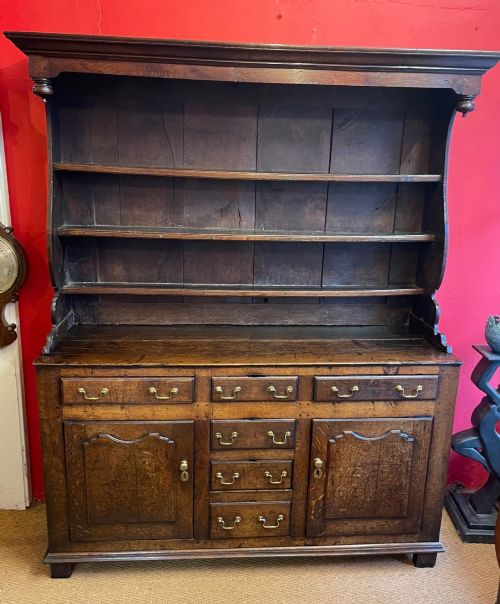
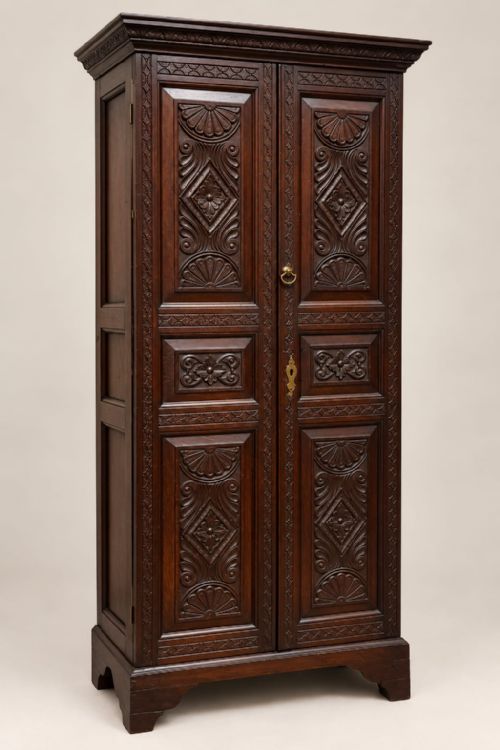
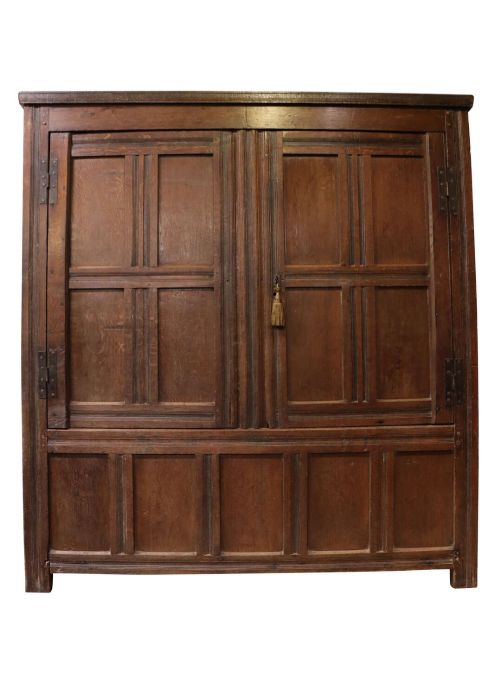
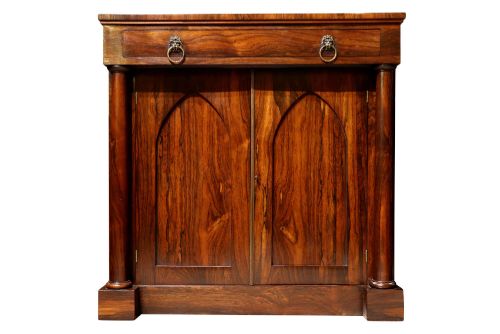
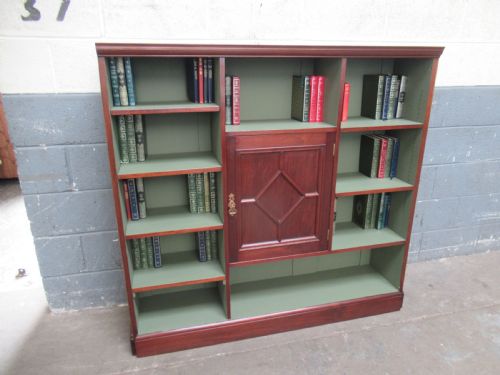
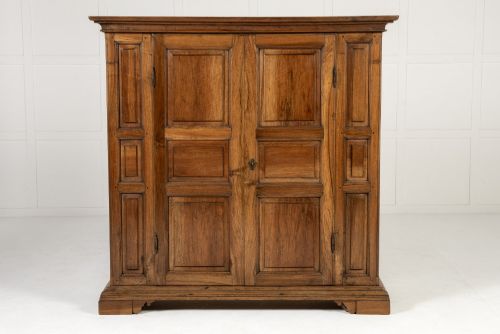


Period Panelled Cupboard
A period panelled cupboard brings structural depth and centuries of timber character into a room.
Period Panelled Cupboard
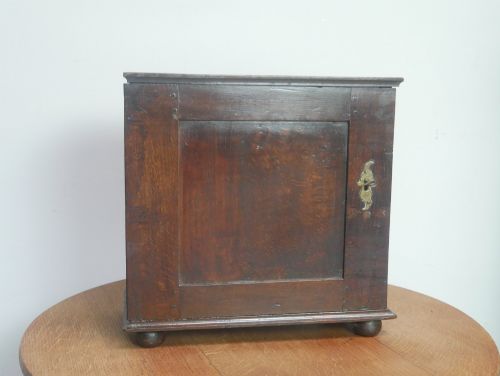
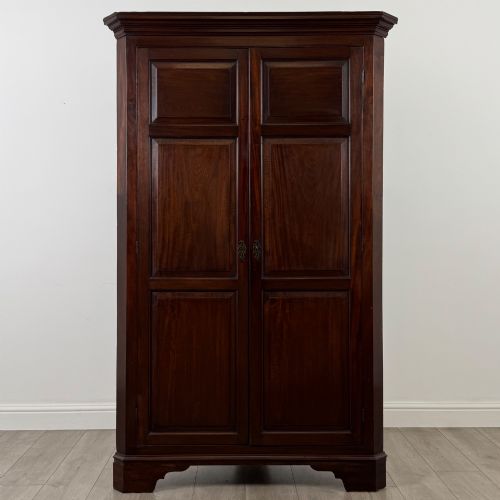
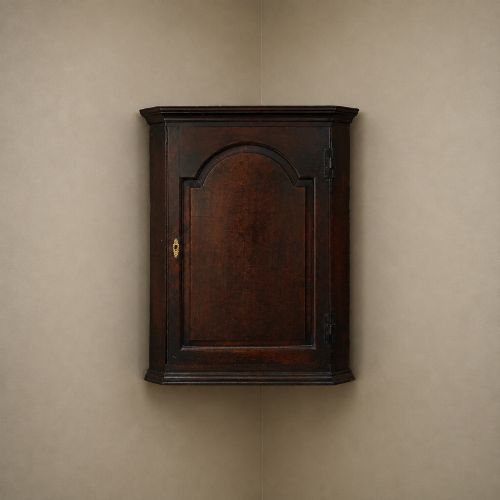
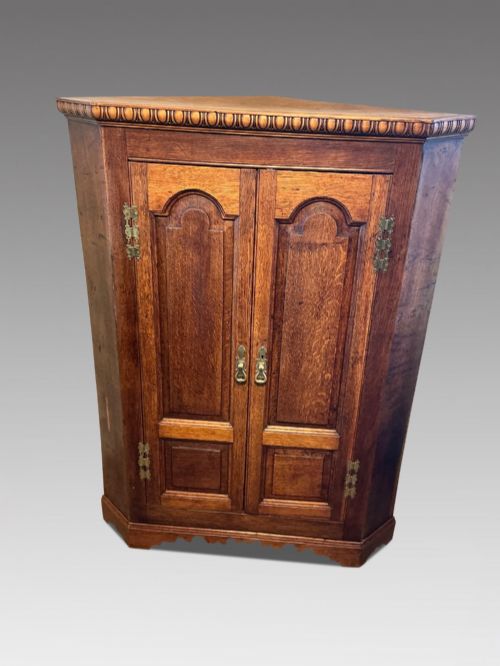
A period panelled cupboard unites traditional storage forms with timber construction spanning the seventeenth, eighteenth, and nineteenth centuries. Buyers searching for a period panelled cupboard frequently encounter oak and mahogany corner cupboards, spice cupboards, and larger floor-standing or wall-hanging variations.
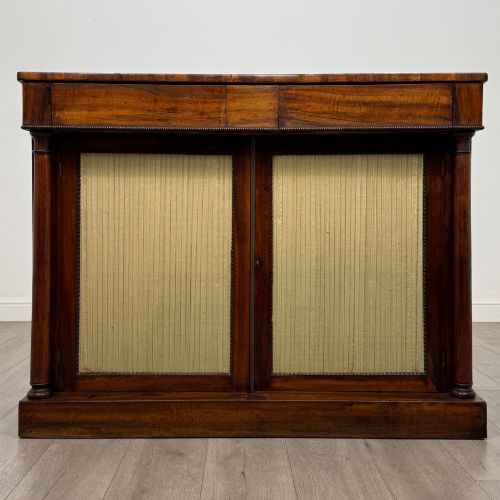
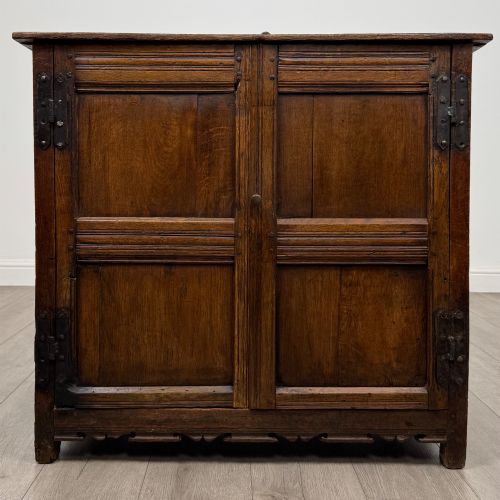
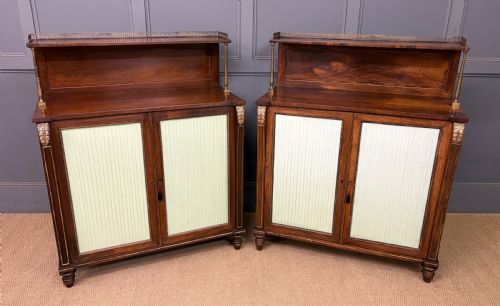
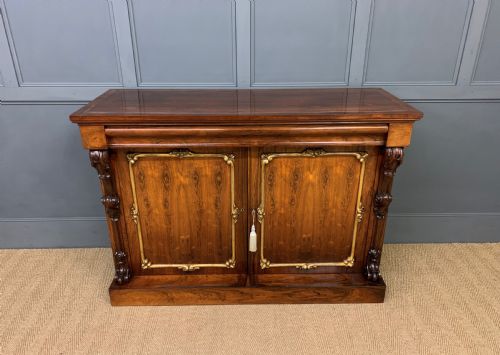
The selection ranges from early Charles II and seventeenth-century court cupboards to Georgian and Regency side cabinets, chiffoniers, and linen presses. Oak and mahogany dominate the examples, featuring raised panels, carved details, and occasional fabric or silk inserts.
Provincial Welsh pieces and regional English models appear alongside Italian walnut and French oak variants. Floor-standing corner cabinets and wall-mounted spice cupboards provide the predominant forms within this collection.
Assessing quality and craftsmanship
Quality rests in the crispness of the timber carving, the integrity of the panel construction, and the preservation of original hardware. Superior examples display carefully selected grain patterns and tight joinery that has survived centuries of use.
The sophistication of the timber preparation distinguishes standard utility pieces from high-status furniture. Finer items incorporate secondary woods like satinwood or include elaborate architectural cornices and swan-neck pediments.
Period Panelled Cupboard Retail Price Guide 2026
Typical asking prices for period panelled cupboard among the pieces listed under this phrase on Sellingantiques today, from the lower quarter to the upper quarter. They describe what is for sale here now, not the wider market.
Some nineteenth-century chiffoniers arrived with silk panels so delicate they whisper when the doors open.
The Period Panelled Cupboard Glossary
- Panel
- A central wood section set within a surrounding frame to allow for natural timber expansion and contraction. This method defines the construction of traditional cupboard doors.
- Chiffonier
- A low sideboard or cabinet developed during the Regency period, often featuring enclosed cupboards below and sometimes fitted with fabric or pleated silk panels.
- Court cupboard
- A heavy seventeenth-century storage piece, typically constructed from oak with upper and lower tiers, often featuring carved panels and supports.
- Pediment
- The architectural crowning feature above the main body of a tall cabinet or linen press, sometimes fashioned in a swan-neck curve.
Period Panelled Cupboard: Frequently Asked Questions
Where were these cupboards used?
These cupboards served utilitarian and display functions across various rooms in historic homes, from country kitchens to formal reception spaces. Corner cupboards were specifically designed to utilise dead space in dining rooms and parlours.
Smaller spice cupboards and wall-hanging cabinets were mounted securely to store valuable provisions or household items. Larger court cupboards and linen presses provided substantial storage in bedrooms and great halls.
How do I date a panelled cupboard?
Dating relies on observing the interplay of timber species, construction joinery, and stylistic periods such as Charles II, Georgian, or Regency. Seventeenth-century pieces typically exhibit heavy oak construction with deep hand-carved panels.
Later eighteenth and nineteenth-century examples introduce mahogany, rosewood veneers, and refined mouldings like swan-neck pediments. Hardware types and secondary wood choices also offer reliable clues to the era of manufacture.
How do I care for antique oak?
Antique oak benefits from stable environmental conditions away from direct heat sources and sudden humidity fluctuations. Natural beeswax polish applied sparingly maintains the lustre of the dry timber surface.
Avoid synthetic cleaning agents that can penetrate porous old wood and alter the historic patina. Gentle dusting with a soft cloth preserves the original finish accrued over centuries.
What is a spice cupboard?
A spice cupboard is a compact wall-mounted or table-top cabinet historically used to secure precious culinary spices and medical herbs. These miniature storage pieces feature small internal drawers behind a single panelled door.
Their diminutive scale and early seventeenth or eighteenth-century construction make them highly collectible decorative objects today. They showcase the same fine joinery found on larger furniture counterparts.