





Period Oriental Furniture
Period oriental furniture brings intricate craftsmanship and rich timber into your home.
Period Oriental Furniture
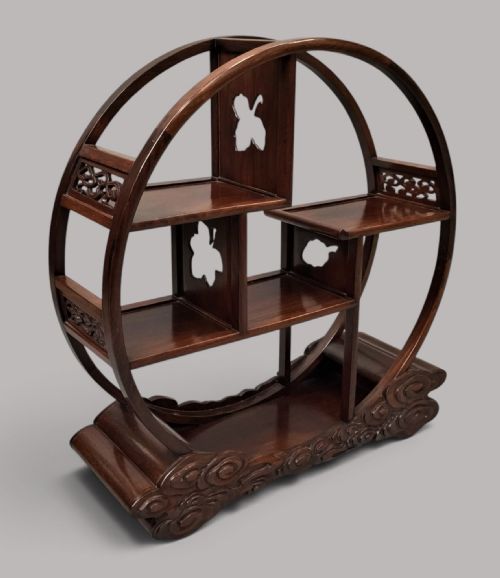
Period oriental furniture encompasses an array of storage pieces, display cabinets, and tables originating from Japan and China across the nineteenth and early twentieth centuries. These works reflect distinct aesthetic movements and traditional dynasties, capturing historical craftsmanship through functional forms.
The selection reflects both export markets and domestic traditions, merging utility with decorative artistry. Pieces vary from compact side tables to large cabinets designed for storage and exhibition.
Materials and construction
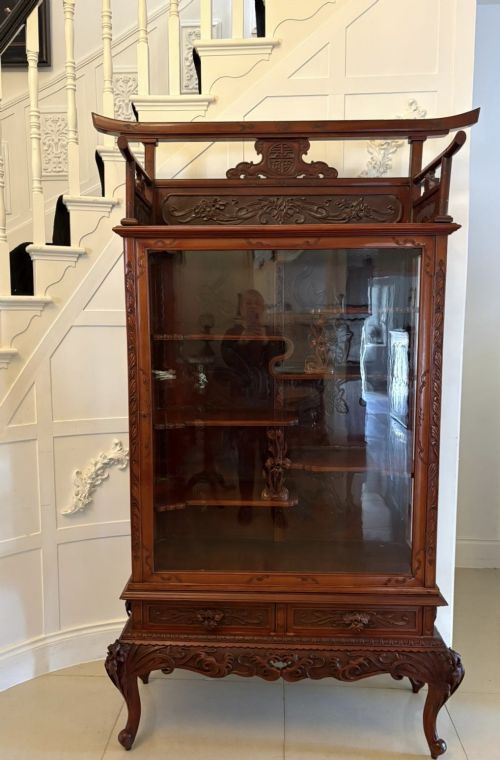
Construction relies heavily on dense hardwoods, including hongmu and padouk, alongside softer timbers like kiri and bamboo. Artisans utilised traditional joinery methods to build durable frames capable of supporting heavy ornamentation and daily use.
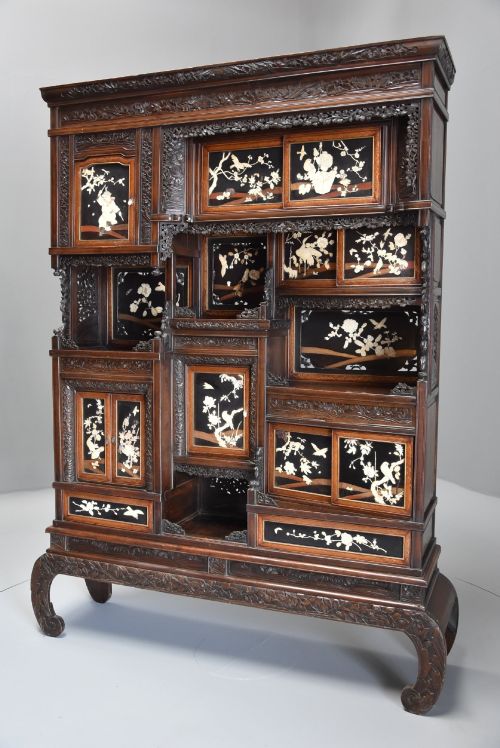
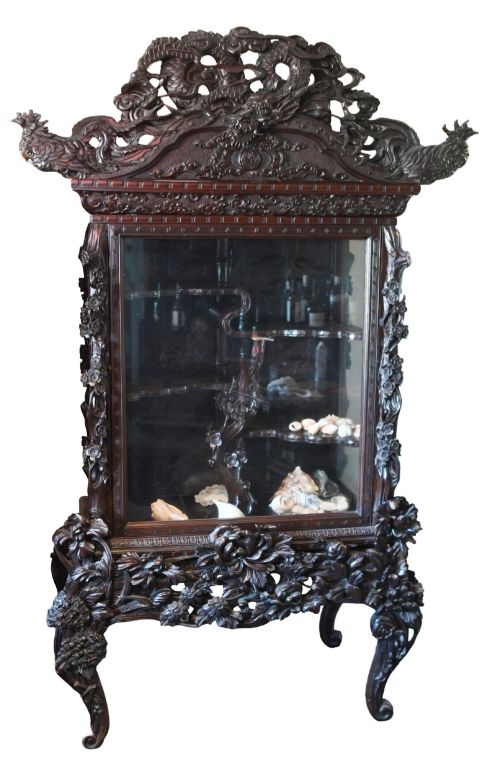
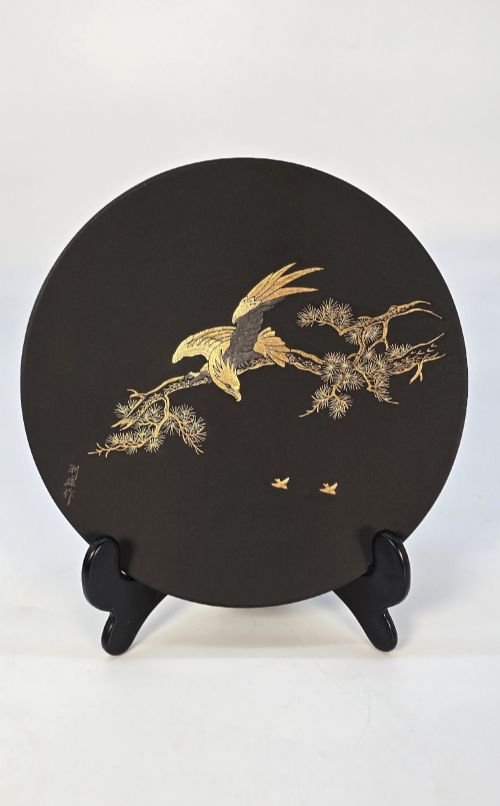
Surfaces feature applied finishes such as red lacquer, patinated iron, and detailed inlay work utilising mother of pearl, bone, gold, and silver. Carving is deeply relief-worked into the wood, defining pictorial scenes and geometric patterns.
Period Oriental Furniture Retail Price Guide 2026
Typical asking prices for period oriental furniture among the pieces listed under this phrase on Sellingantiques today, from the lower quarter to the upper quarter. They describe what is for sale here now, not the wider market.
Listings feature items spanning the Victorian era through the 1930s, highlighting woods like hongmu, bamboo, and lacquer.
Assessing quality
Quality rests upon the depth and precision of the carving, the stability of the timber, and the preservation of original surface treatments. Superior items exhibit crisp detailing in relief work and intact lacquer or inlay without modern alterations.
The choice of material dictates baseline excellence, with dense native hardwoods and genuine lacquered finishes commanding greater attention than simpler utility pieces. Balance in proportion and structural integrity further separate standard items from finer examples.
The Period Oriental Furniture Glossary
- Shodana
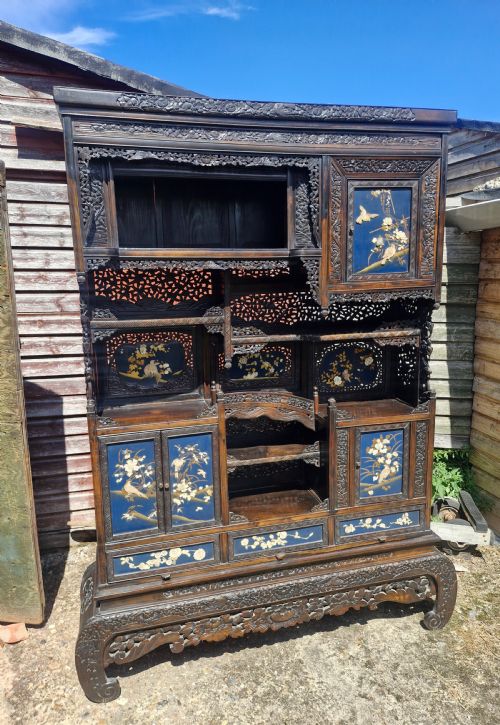
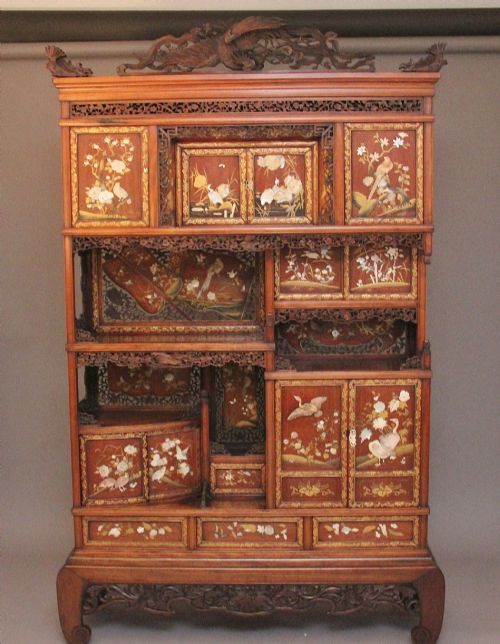
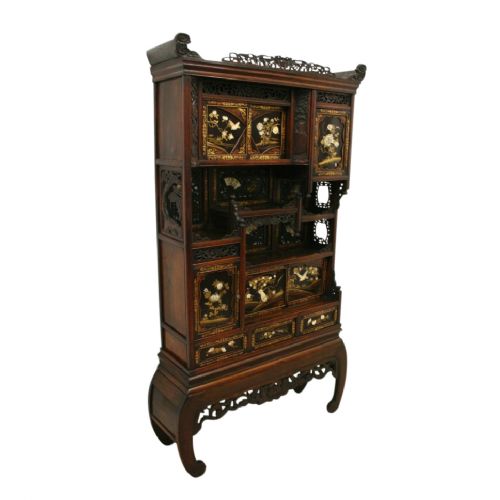
- A Japanese tabletop or floor-standing display cabinet featuring asymmetrical shelving and small cupboards. These pieces were designed to exhibit small art objects and curios.
- Tansu
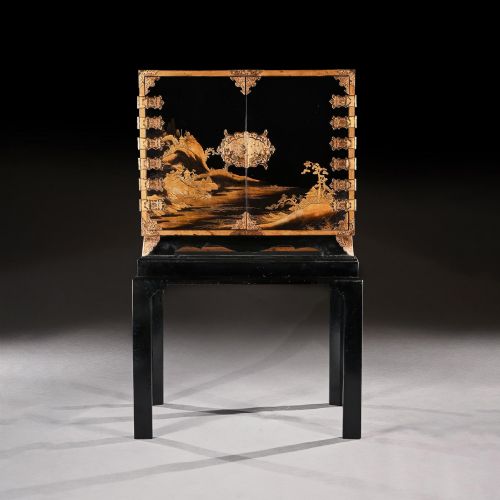
- Traditional Japanese mobile storage chests built with iron hardware and robust handles. They served practical domestic storage functions before entering the decorative market.
- Hongmu
- A dense, dark Chinese hardwood prized for its weight and rich natural grain. Makers utilised this timber for formal stands, chairs, and display furniture.
- Shibayama
- A decorative inlay technique utilising mother of pearl, ivory, and bone to create pictorial panels. This meticulous method adorned luxury cabinets and plaques.
- Japanned
- A European imitation of East Asian lacquerwork applied to furniture during earlier periods. This finish mimics oriental techniques using varnishes and metallic powders.
Period Oriental Furniture: Frequently Asked Questions
What is a shodana cabinet?
A shodana is a traditional Japanese display cabinet characterised by multiple tiers of asymmetrical shelving and small sliding doors. They were created to showcase ornamental objects within traditional interiors.
Today, these cabinets function as focal points in living spaces, offering practical display space while retaining their historical decorative appeal.
How do I care for lacquer furniture?
Lacquer surfaces require protection from direct sunlight and extreme humidity changes to prevent cracking or fading. Dusting should be performed gently with a dry, soft cloth.
Avoid chemical polishes and abrasive cleaners, as these can permanently damage the delicate historical finish of the wood and lacquer.
What is the difference between Chinese and Japanese pieces?
Chinese pieces from this category often utilise heavy hardwoods like hongmu and feature formal symmetrical designs, benches, or altar tables. Japanese items frequently employ lighter woods, lacquer finishes, and asymmetrical display layouts.
Both traditions emphasise intricate carving, but their distinct regional aesthetics dictate form, timber selection, and surface decoration.
Where were tansu chests used?
Tansu chests were practical storage units used in traditional Japanese households for clothing, documents, and household goods. Their robust iron hardware and sturdy construction allowed for easy movement.
In modern settings, these chests serve as versatile storage cabinets or low sideboards in bedrooms and hallways.