
Period Oil Portrait
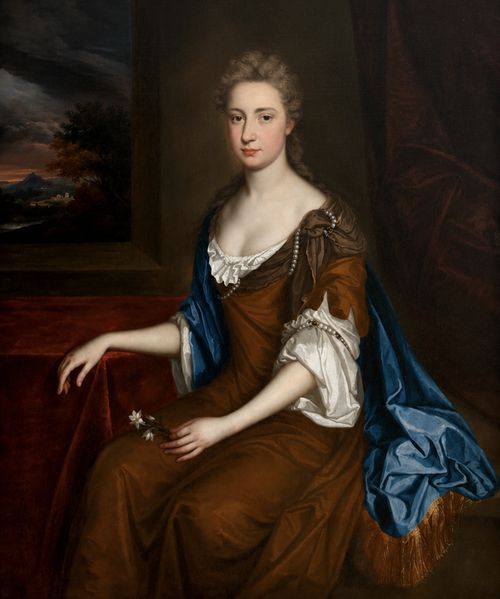
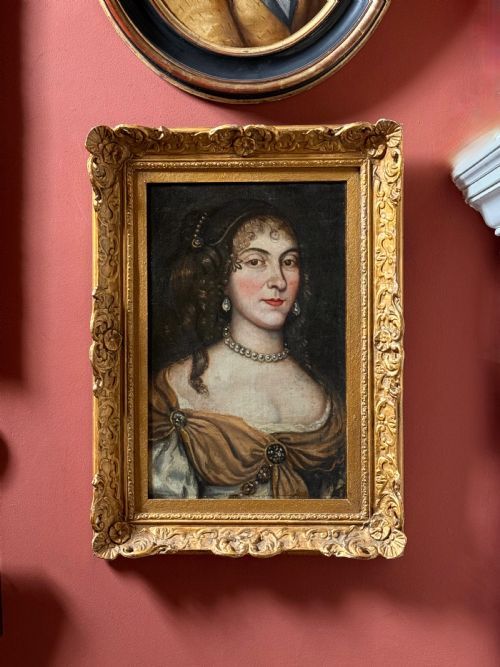
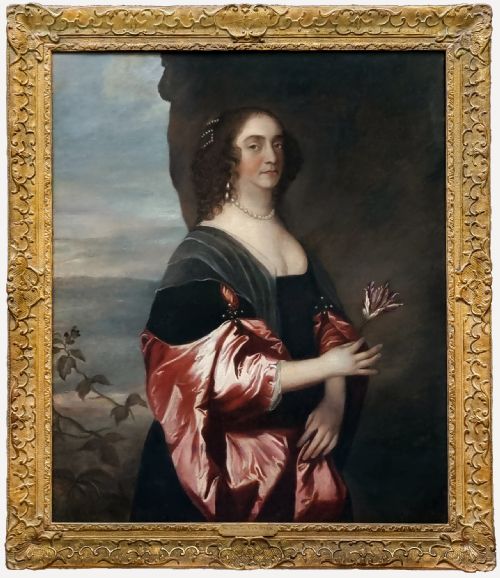
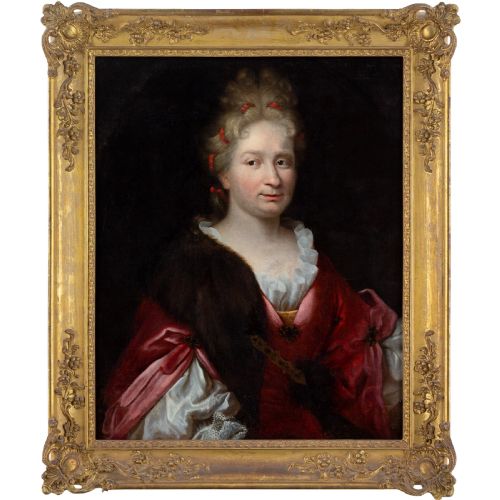
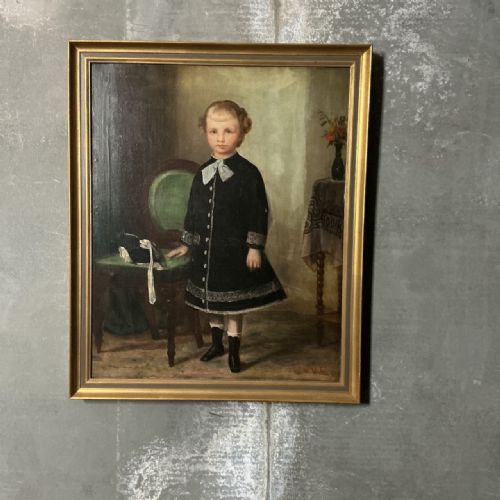
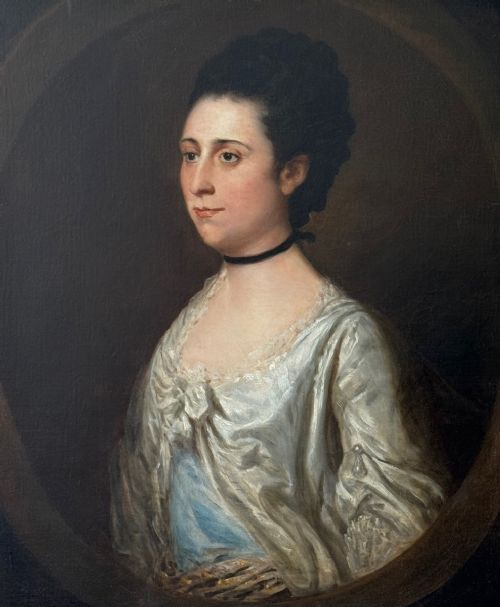
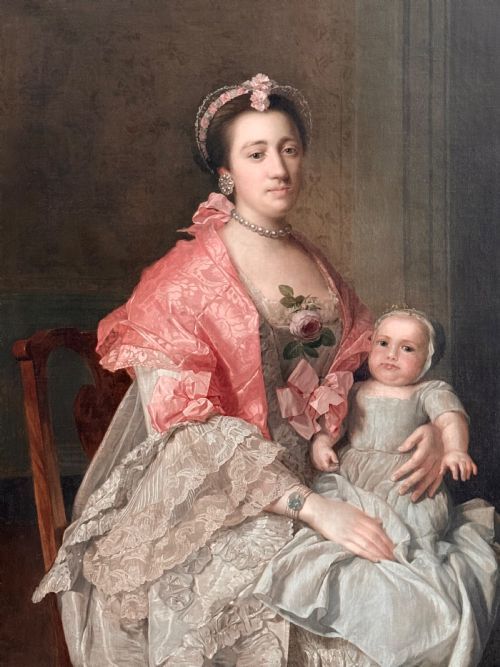
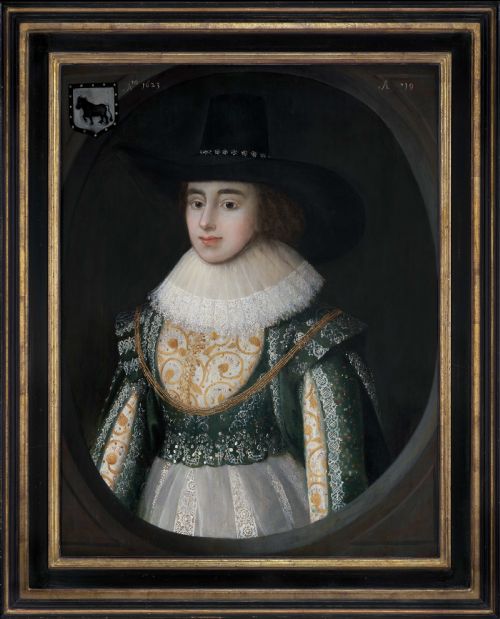
When you search for a period oil portrait, you are looking at historic painted likenesses executed in oil on canvas or panel.
Period Oil Portrait
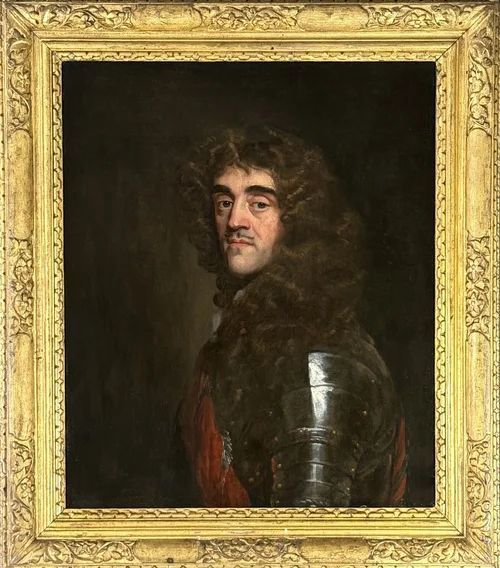
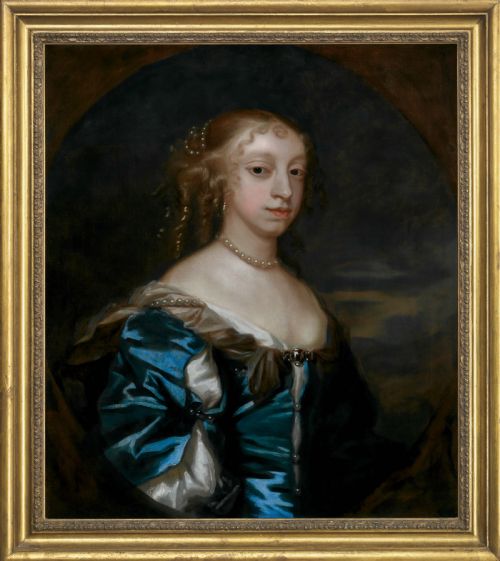
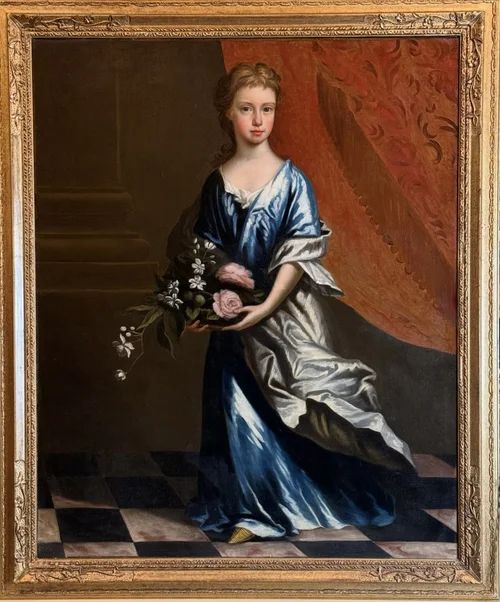
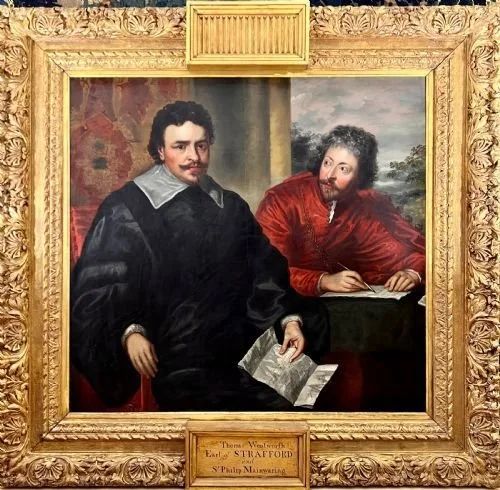
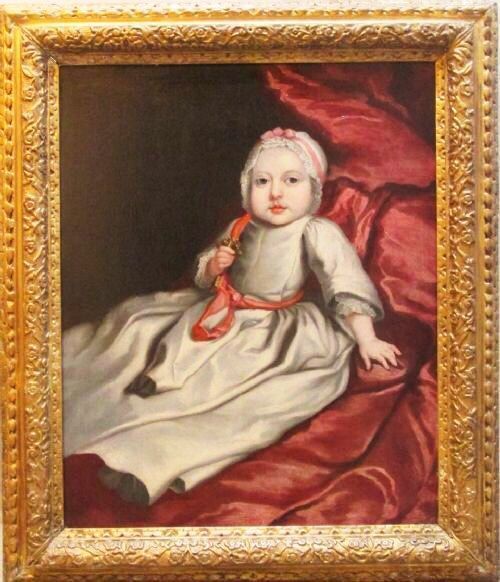
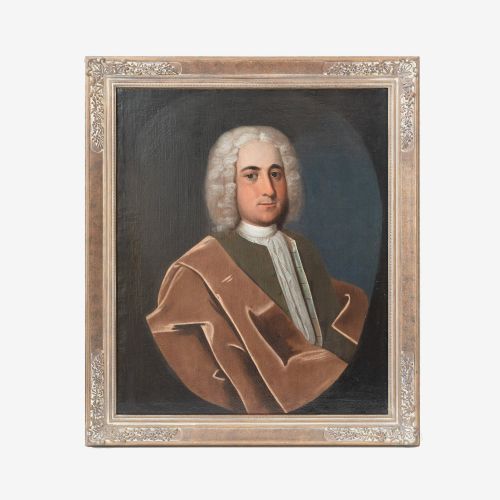
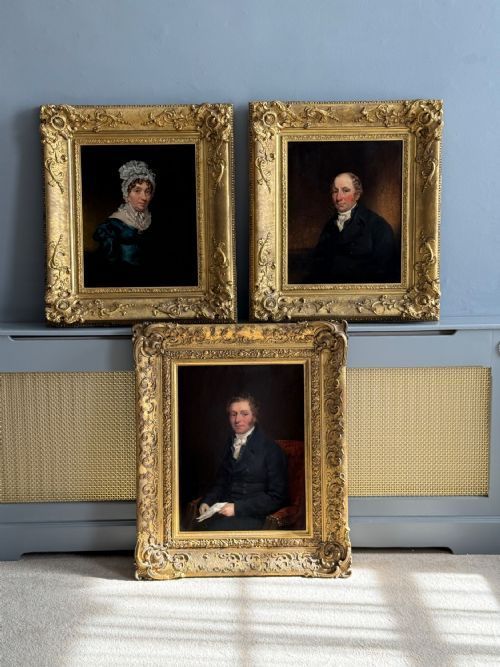
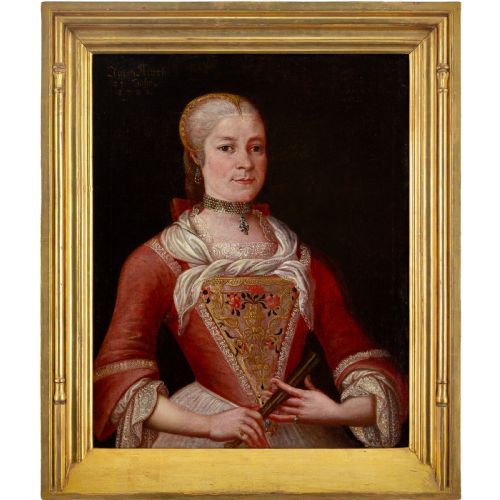
A period oil portrait captures the likeness of nobility, gentry, military officers, and family groups across the seventeenth, eighteenth, and nineteenth centuries. These works range from monumental canvases depicting named figures in elaborate costume to intimate panel paintings originating from British and European schools.
On this page, you will most frequently meet seventeenth-century and eighteenth-century examples, including works created in the circle or manner of established portraitists. Subjects span from young gentlemen and noblewomen to physicians and children, reflecting the fashions and social standing of their eras.
How They Were Made
Supports varied according to the period, with wooden panels common in earlier seventeenth-century works and woven canvas dominating the Georgian and Regency eras. Original framing often involved carved gilt wood, providing structural support and aesthetic complement to the fine art within.
Listings feature works spanning the 17th Century, 18th Century, 19th Century, and Edwardian periods, rendered in oil on canvas and wood panel.
What Varies In Quality
The standard of a painting is defined by the deftness of brushwork in the rendering of hands, fabrics, and facial expressions, distinguishing skilled studio output from more routine provincial production. Mastery of light and shadow gives depth to the subject, elevating works attributed to major circles above standard decorative pieces.
Condition and originality also dictate standing, noting the extent of surface cleaning, retouching, and the presence of the historic frame. Works retaining their original giltwood surrounds and untouched painted surfaces command greater scholarly and aesthetic interest.
Sir Peter Lely·Sir Godfrey Kneller·John Michael Wright·Allan Ramsay·Cornelius Johnson
The Period Oil Portrait Glossary
- Oil on canvas
- Pigment suspended in a drying oil medium, applied to a woven fabric support stretched across a wooden frame. This combination became the primary medium for portraiture from the seventeenth century onwards.
- Panel painting
- An artwork executed on a flat piece of wood rather than fabric. Earlier works frequently employed this sturdy support before canvas became widely adopted.
- Giltwood
- Wood carved and covered with a thin layer of gold leaf or metal powder. Period frames utilise this technique to create an ornate, reflective border for the artwork.
- Circle of
- A designation indicating that an artist worked in the studio or under the direct influence of a master painter. It denotes period proximity without asserting direct authorship.
- School of
- A term used to describe works sharing the stylistic characteristics of a particular region or master during a specific timeframe. It places the piece within a distinct artistic tradition.
Period Oil Portrait: Frequently Asked Questions
How do I identify the sitter?
Sitters are sometimes identified by contemporary inscriptions on the canvas, stretcher bars, or framing. Archival records, familial provenance, and recurring heraldic crests or clothing details also aid identification.
Unidentified sitters frequently remain anonymous unless specific uniform insignia, documentary evidence, or distinctive props offer clues to their identity and profession.
What does circle of mean?
The term indicates an artist working closely alongside a master in their workshop or under their direct stylistic influence. These paintings share the technical execution and aesthetic of the named painter.
Such attribution places the piece firmly in the correct period and artistic milieu without claiming the master's direct hand.
How should I hang an oil portrait?
Portraits require stable wall conditions away from direct sunlight and excessive humidity to protect the oil paint and canvas. Secure mounting into wall studs is essential given the weight of large canvases and heavy giltwood frames.
Display them at eye level to replicate the intimate viewing experience intended by the original artist and patron.
Are these paintings restored?
Many historic works have undergone conservation over the centuries to address stabilising the canvas, cleaning discoloured varnish, or securing paint layers. Professional restoration preserves the structural integrity and visual clarity of the original pigment.
Documentation of past conservation work often accompanies pieces, detailing the extent of historical intervention.