



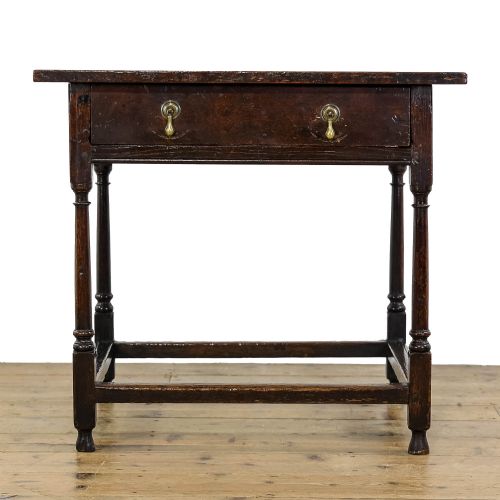


Period Oak Server
A period oak server provides durable storage and a grand focal point, drawing together centuries of English and European craftsmanship for the home.
Period Oak Server
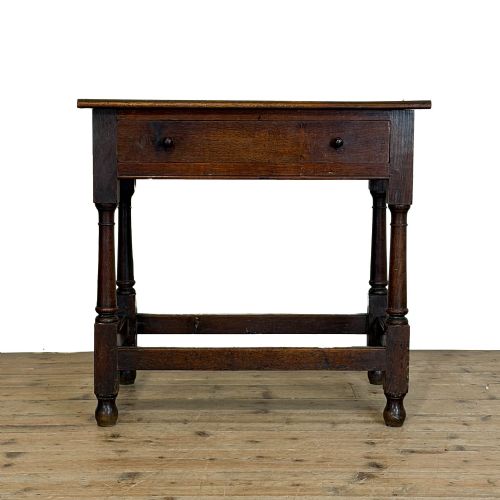
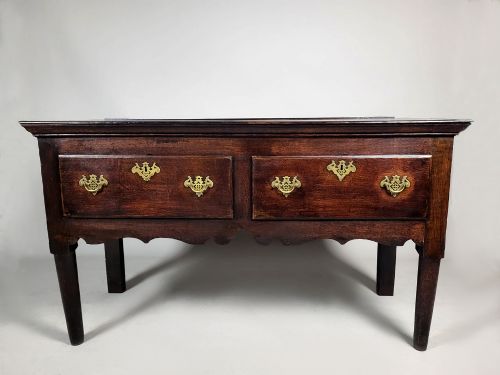
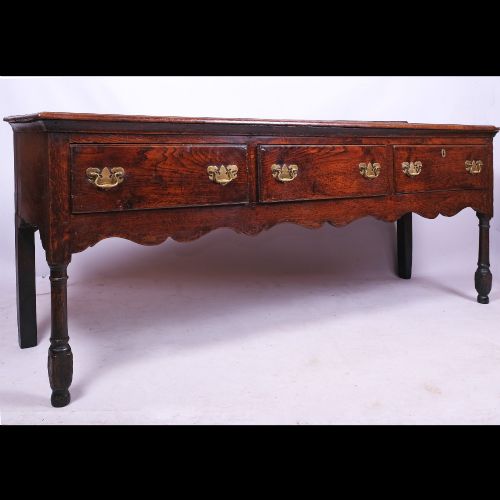
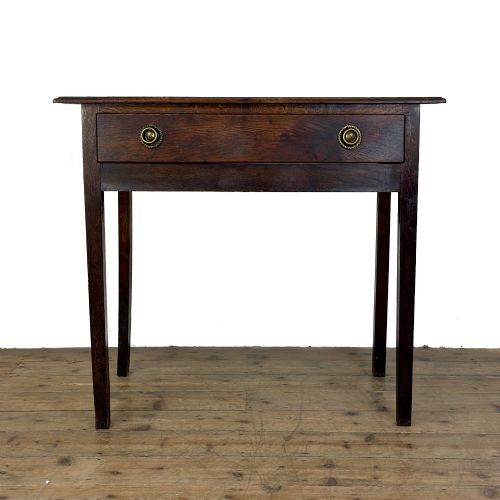
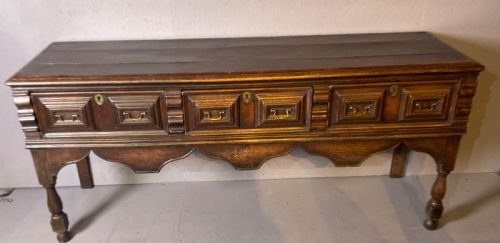
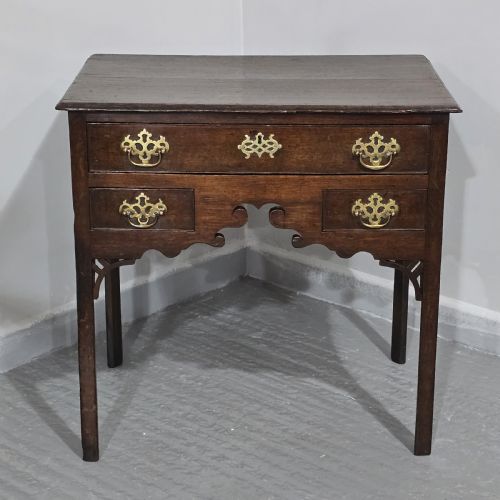
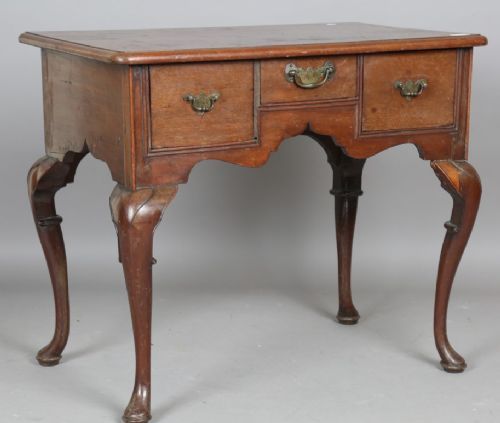
A period oak server encompasses robust sideboards, dresser bases, lowboys, and side tables designed for domestic utility. These pieces primarily date from the seventeenth and eighteenth centuries, reflecting enduring styles such as Jacobean, Queen Anne, and George III.
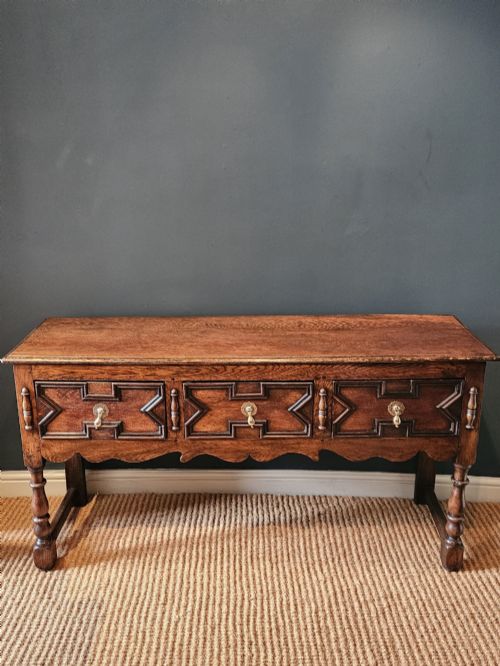
Buyers frequently encounter potboard dresser bases and geometric moulded sideboards in this selection. Such forms originated to hold serving dishes and victuals in country houses and provincial homes.
Origins span English workshops alongside examples from French provincial traditions. The material remains predominantly solid timber, often shaped with drawers and potboards beneath.
How they were made
Joiners relied on solid oak as the principal structural timber, supplemented by fruitwood and red walnut for specific boards or secondary elements. Cabinetmakers constructed frames using traditional joinery, securing panels to allow for natural wood movement over decades.
Drawer fronts often received applied geometric mouldings to create depth and texture on flat surfaces. Hardware typically consisted of brass drop handles and backplates, fastened securely to the timber.
Period Oak Server Retail Price Guide 2026
Typical asking prices for period oak server among the pieces listed under this phrase on Sellingantiques today, from the lower quarter to the upper quarter. They describe what is for sale here now, not the wider market.
Many seventeenth-century servers still bear the faint, irregular chop marks of the pit saw on their unpolished floorboards.
What varies in quality
The integrity of the timber and the retention of original brasses distinguish higher examples from heavily altered pieces. Master joiners achieved balanced proportions and clean geometric mouldings that remain crisp over centuries.
Surface patination plays a central role in overall quality, reflecting years of careful maintenance and natural waxing. Pieces retaining their original potboards and unblemished structural framing command greater regard among collectors.
The Period Oak Server Glossary
- Potboard
- An open lower shelf built into a dresser base or server, traditionally used to store heavy pots and platters.
- Lowboy
- A small side table featuring one or more rows of drawers, commonly supported on four slender legs.
- Geometric moulding
- Raised wooden profiling applied to drawer fronts in rectilinear patterns, typical of seventeenth-century joinery.
- Dresser base
- The lower cabinet portion of a dresser, offering enclosed drawer or cupboard storage beneath a flat top.
Period Oak Server: Frequently Asked Questions
What is a period oak server used for?
These items function primarily as sturdy sideboards and serving tables in dining rooms or hallways. They offer generous surface space for display alongside drawer storage for linen and cutlery.
Historically, the lower potboards accommodated heavy kitchenware and serving dishes. Today, they suit contemporary living spaces as media consoles or statement side tables.
How do I care for antique oak furniture?
Maintain the timber by applying natural beeswax sparingly and buffing with a soft cloth to preserve the patina. Avoid placing the server near direct heat sources or strong sunlight to prevent timber splitting.
Keep humidity levels in the room stable to protect the historic joints and prevent the wood from drying out excessively.
How do I date a seventeenth-century server?
Examine the construction methods, such as hand-cut dovetails, peg joinery, and the profile of the mouldings. Seventeenth-century examples often display heavy framing and geometric drawer fronts characteristic of the period.
Secondary woods and tool marks left by early joiners provide further clues regarding the era of manufacture.
What is the difference between a lowboy and a server?
A lowboy is typically more compact with taller legs, functioning as a small dressing or side table with drawers. A server or dresser base is generally longer and lower, designed for heavy serving tasks.
Servers frequently incorporate lower potboard shelves, whereas lowboys maintain an open space beneath the drawer frame.