



Period Oak Console
A period oak console brings substantial character and practical surface space into a room, drawn from centuries of English craftsmanship.
Period Oak Console
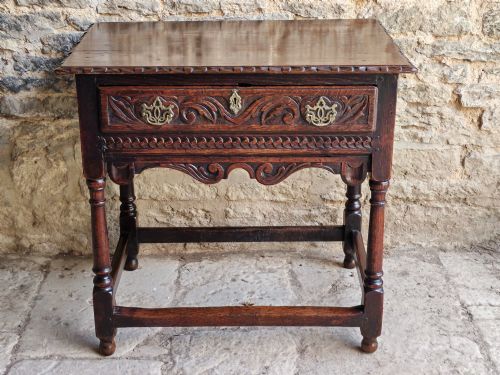
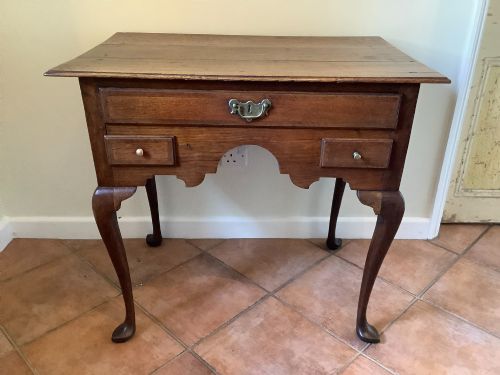
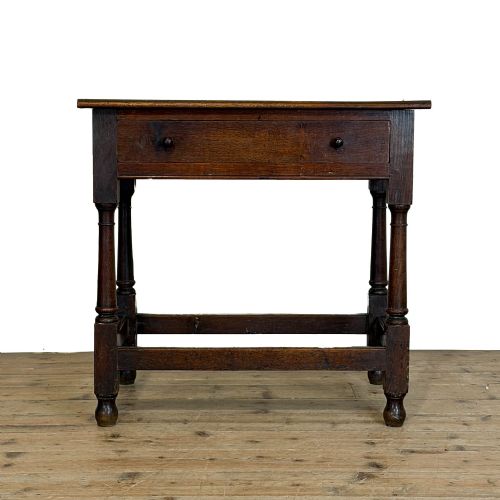
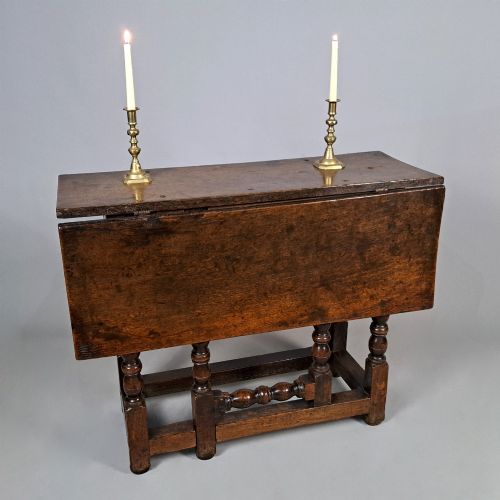
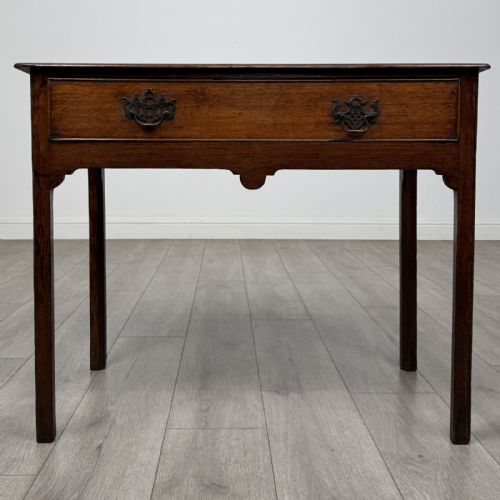
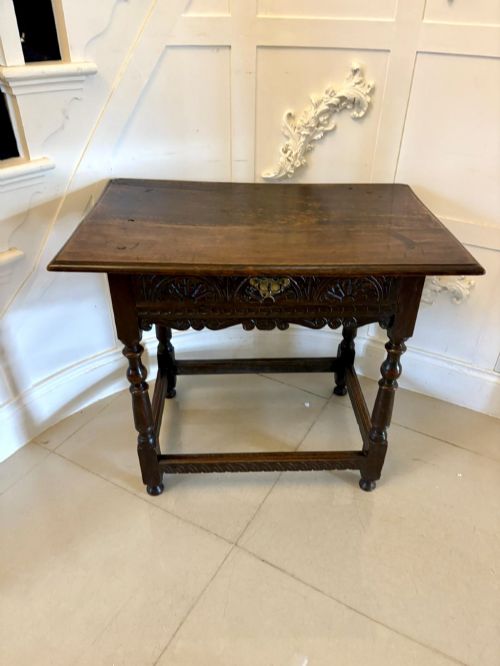
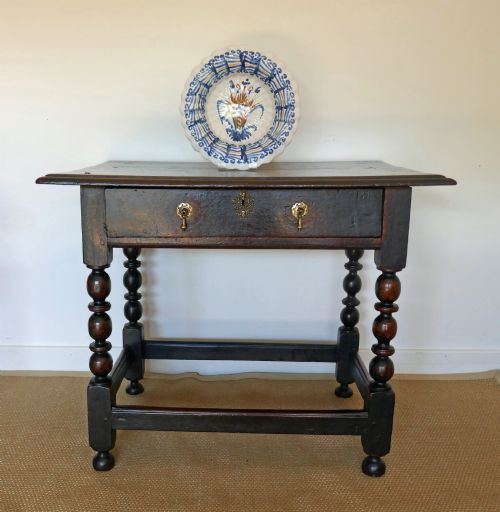
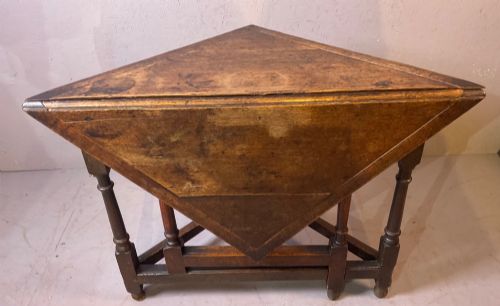
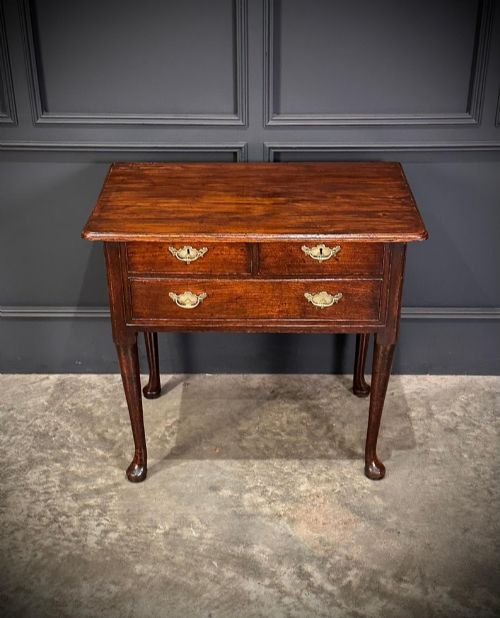
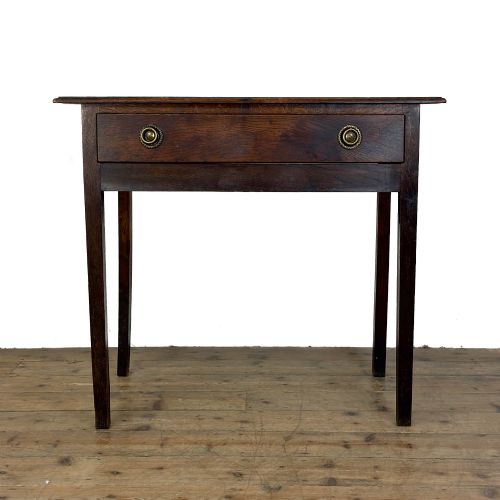
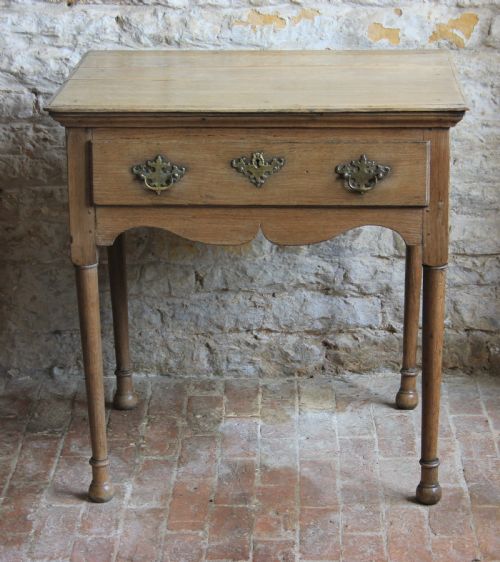
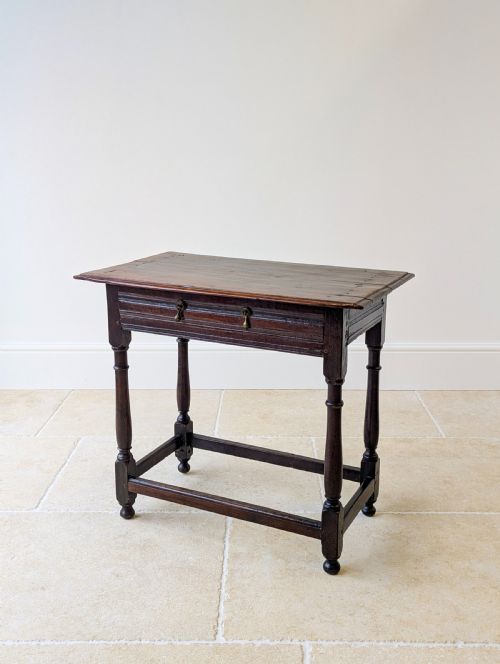
A search for a period oak console leads primarily to side tables, lowboys, and serving dressers spanning from the seventeenth century through the Georgian era and into the nineteenth century.
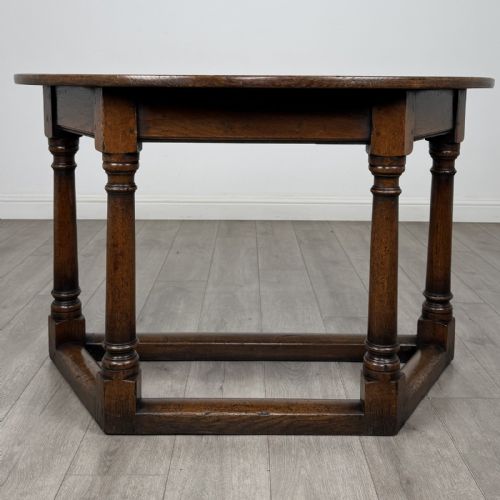
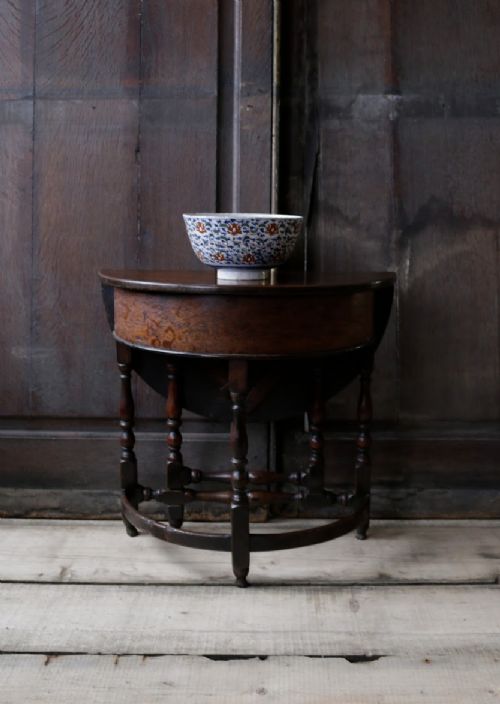
The objects take many forms, including demi-lune side tables, lowboys with drawers, credence tables, and serving dressers made in English workshops and country houses.
Makers and craftsmen built these tables for functional domestic use, resulting in pieces that range from austere seventeenth-century joined furniture to refined eighteenth-century Georgian designs.
Materials and construction methods
Solid oak forms the foundation of these pieces, often supplemented by pollard oak veneers or decorative elements in brass and iron for drawer pulls and hinges.
Joinery techniques define the older pieces, utilising pegged mortise and tenon frames, while later examples incorporate mahogany or leather inserts alongside carved details and geometrically moulded drawer fronts.
Period Oak Console Retail Price Guide 2026
Typical asking prices for period oak console among the pieces listed under this phrase on Sellingantiques today, from the lower quarter to the upper quarter. They describe what is for sale here now, not the wider market.
Listings span from the 17th century through the Victorian era, utilising solid oak, pollard oak veneer, brass, and iron.
Distinctions in quality and execution
Quality separates pieces by the crispness of their carved ornamentation, the depth of colour in the timber, and the integrity of the original construction rather than surface embellishment alone.
Tables displaying bold proportions, well-figured timber, and undisturbed period hardware command greater attention than heavily altered or later stylistic reproductions.
The Period Oak Console Glossary
- Lowboy
- A small table with one or more drawers, commonly used as a dressing table or side table in the eighteenth century.
- Credence table
- A folding-top table originating in the seventeenth century, frequently featuring a semicircular or polygonal top supported by a swinging leg.
- Pollard oak
- Timber taken from trees that have been pollarded, producing a richly figured grain pattern prized for decorative veneers.
- Demi-lune
- A half-moon shape used for console and side tables designed to sit flush against a wall.
- Joined furniture
- Pieces constructed using traditional mortise and tenon joints secured with wooden pegs rather than metal nails.
Period Oak Console: Frequently Asked Questions
Where should I place an oak console?
These pieces suit entrance halls, living rooms, and dining spaces where a shallow surface is required against a wall.
Their compact proportions and drawers offer useful storage for everyday items while anchoring a room with historic texture.
How do I clean period oak?
Dust the timber regularly with a dry, soft cloth to prevent particulate buildup on the historic wax finish.
Avoid modern liquid polishes, silicone sprays, and excessive moisture, which can degrade the natural patina built up over centuries.
What is the difference between a lowboy and a side table?
A lowboy is specifically a low table equipped with one to three drawers, traditionally functioning as a small dressing or writing desk.
General side tables encompass a broader range of table heights and top shapes without the specific drawer configuration defining a lowboy.
How can I tell a seventeenth-century piece from a Georgian one?
Seventeenth-century examples typically display heavier framework, pegged joinery, turned legs, and occasionally geometric mouldings on the drawer fronts.
Georgian pieces tend to show cleaner lines, lighter proportions, and stylistic influences from Queen Anne or Regency design traditions.