
Period Mirror
A period mirror anchors a room with centuries of reflection, offering handmade warmth that mass-produced glass simply cannot match.
Period Mirror
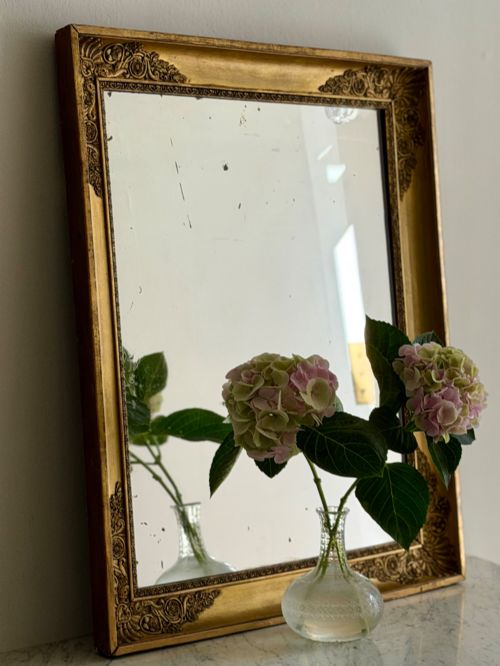
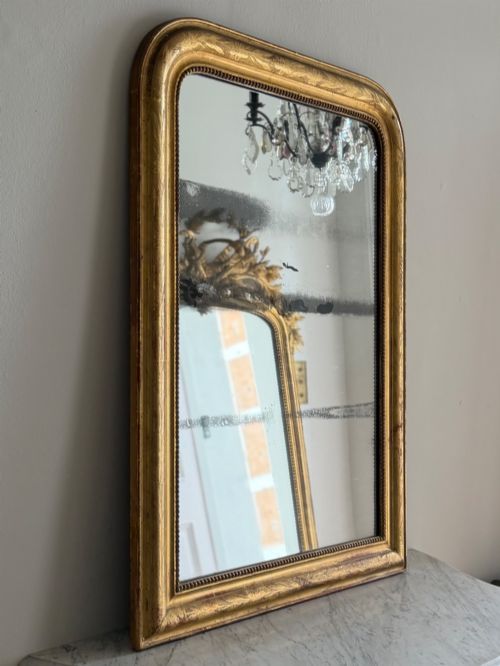
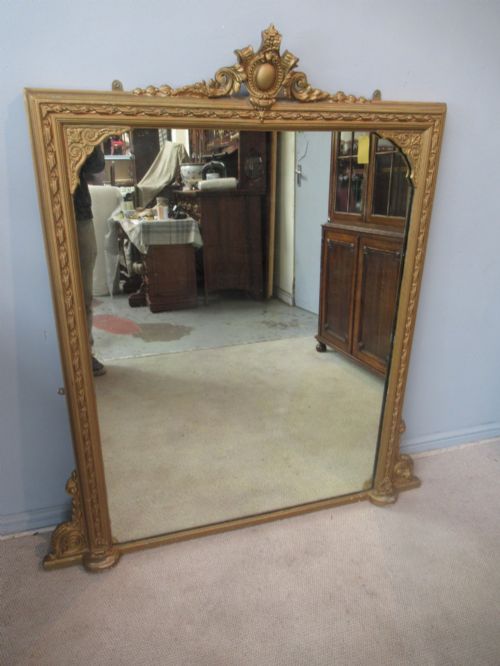
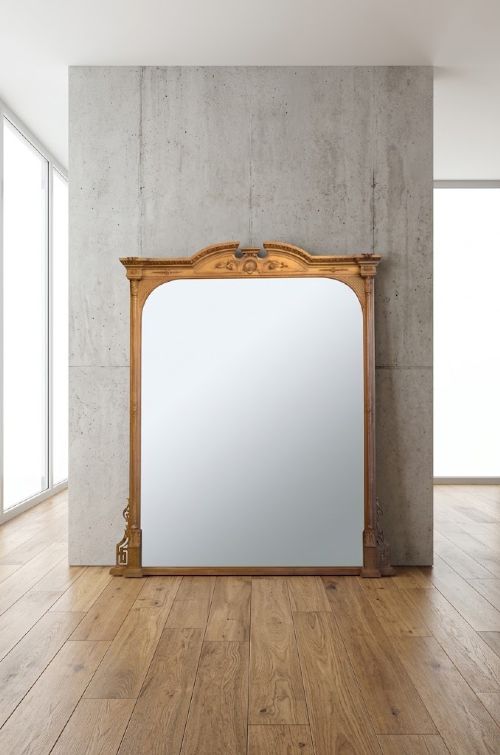
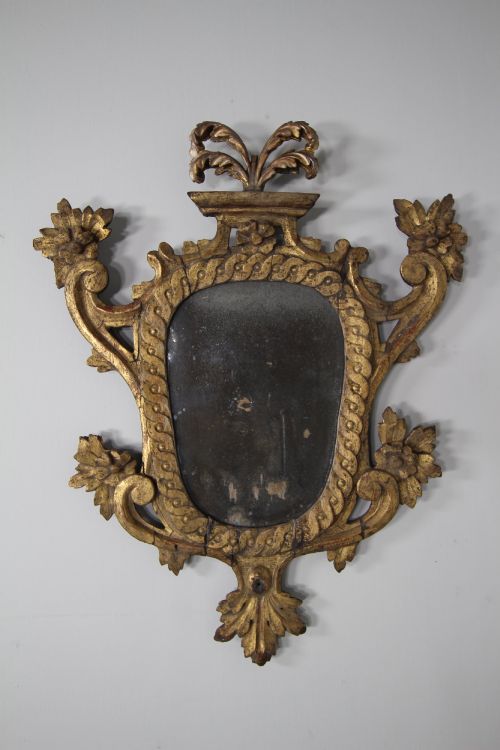
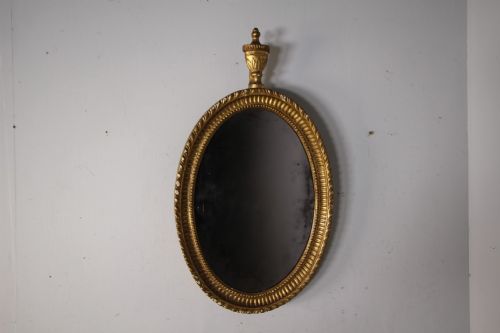
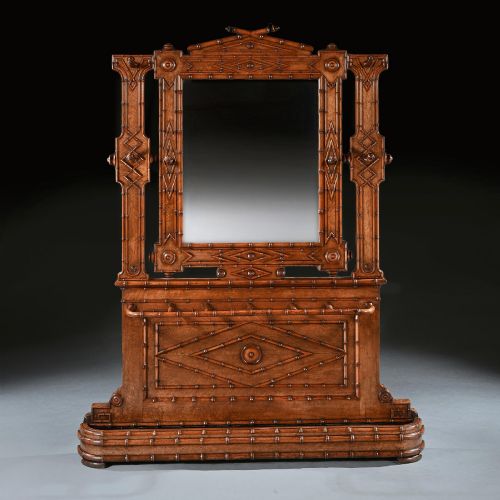
A period mirror brings historical presence to an interior, spanning centuries of craftsmanship from the intricate carving of the eighteenth century to the bolder scale of the Victorian era. When searching for a period mirror, buyers encounter everything from compact dressing table glasses to large overmantels designed to sit above a fireplace.
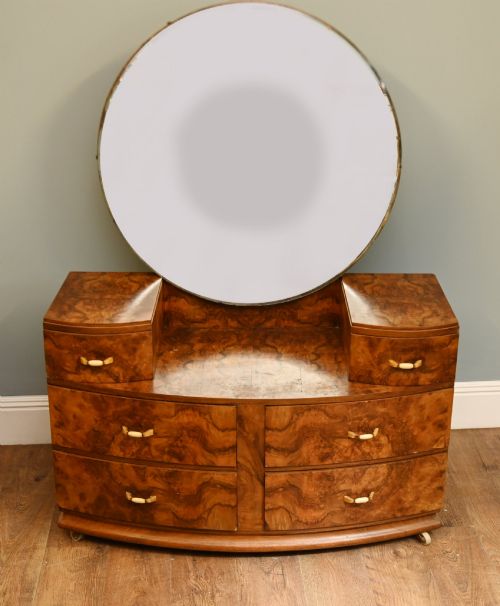
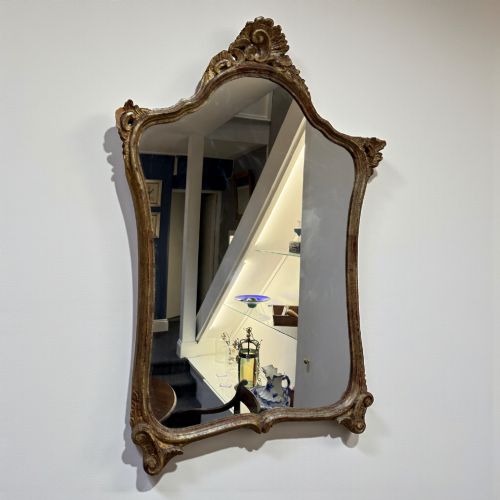
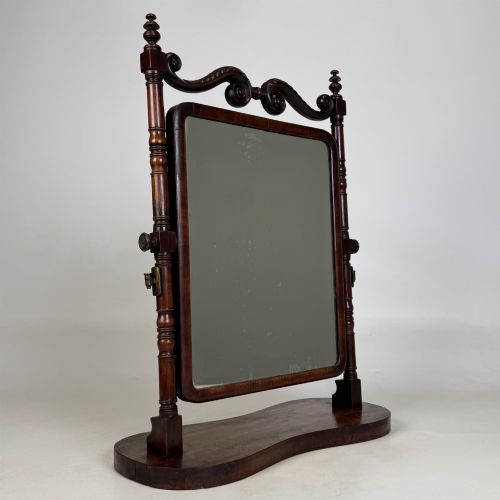
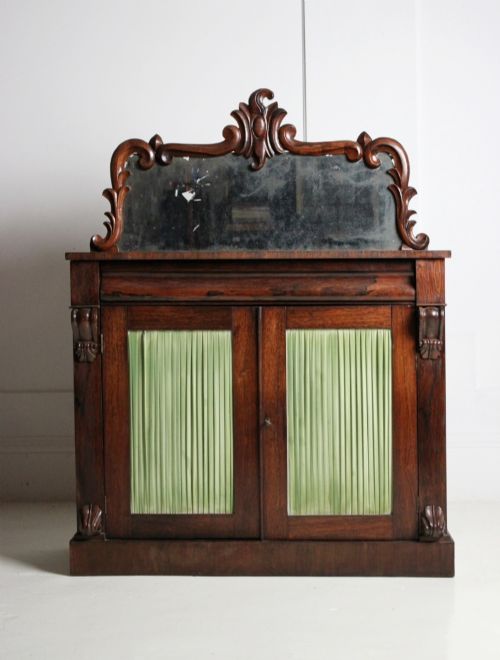
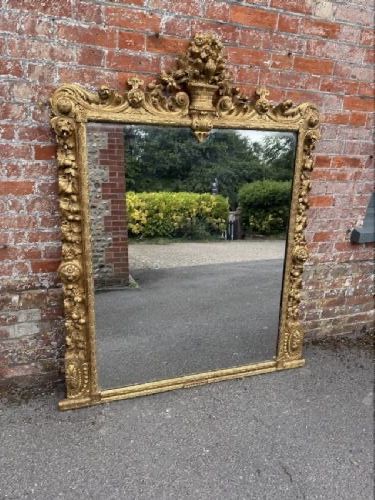
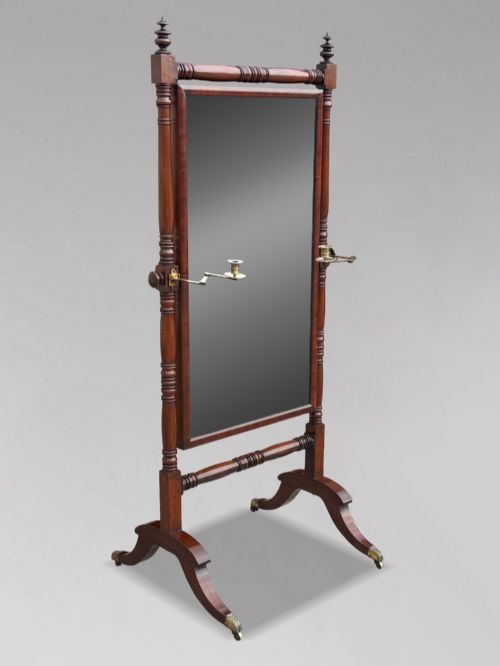
The selections on this page draw heavily from Georgian, Regency, and Victorian aesthetics, often taking the form of giltwood wall pieces, convex circular frames, or substantial overmantles. Alongside dedicated wall and mantel pieces, related furniture forms such as chiffoniers and dressing tables incorporate original glass plates.
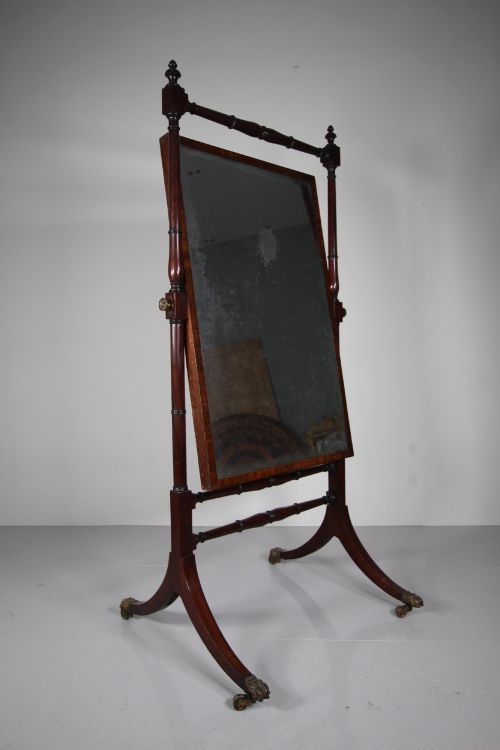
Origins range across English country house workshops and French ateliers, utilising timber frames in mahogany, walnut, and rosewood alongside heavily gilded plaster and gesso. These pieces served practical functions in morning rooms, hallways, and boudoirs while projecting the social standing of their owners through design vocabulary.
How they were made
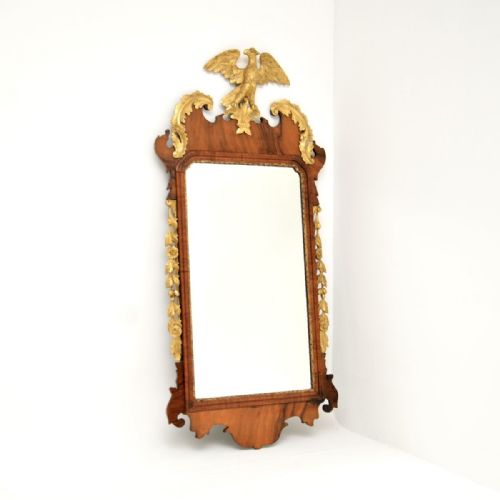
Makers constructed the structural frames of a period mirror using seasoned timbers such as mahogany, walnut, and maple, frequently applying carved detail directly into the wood. Where a gold finish was desired, artisans applied layers of gesso over a wooden base before laying gold leaf by hand.
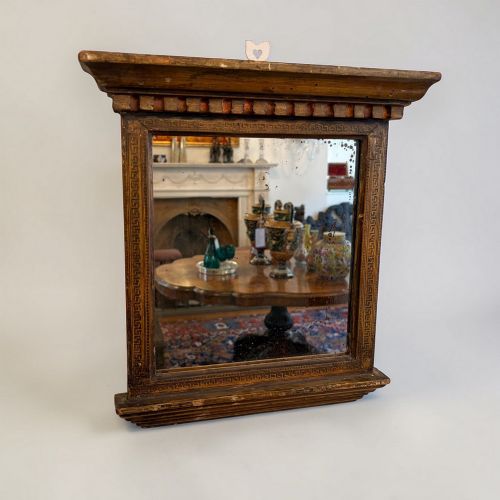
Glass plates were produced through older manufacturing methods, which often resulted in natural imperfections, slight distortions, and the characteristic foxing found on surviving mercury and silvered surfaces. Frames incorporate joinery suited to their weight, utilising secure corner blocks and backboards of pine or oak to support heavy glass.
Several convex mirrors include watchful eagle surmounts perched atop the frame, seemingly keeping an eye on everyone gathered in the drawing room.
What varies in quality
The distinction between ordinary and exceptional examples rests in the depth and crispness of the hand-carved ornamentation upon the gesso and giltwood frames. Superior pieces retain their original gilding and primary mirror plates, whereas lesser items often suffer from heavy re-gilding or modern plate replacements that obscure the historical surface.
Proportion and architectural balance dictate the overall success of a design, with finer mirrors displaying harmonious scaling between the frame width and the reflective glass area. The integrity of the underlying timber construction and the survival of secondary elements such as original backboards further separate workshop masterpieces from standard domestic furniture.
The Period Mirror Glossary
- Giltwood
- Wood that has been covered with a thin layer of gold leaf. This finish defines many formal wall and overmantel frames.
- Gesso
- A plaster-like mixture applied to wooden frames as a base for gilding. Artisans carved intricate decorative motifs directly into this surface.
- Foxed glass
- Mirror plates showing age-related spots and discoloration where the backing has oxidized. Collectors prize this characteristic for its authentic period appearance.
- Convex mirror
- A round mirror featuring a curved, outward-protruding glass plate. These pieces were popular during the Regency era to reflect an entire room.
- Overmantel
- A large mirror specifically designed to hang above a fireplace mantelpiece. They frequently feature rectangular formats and giltwood decoration.
Period Mirror: Frequently Asked Questions
How do I date an antique mirror?
Dating relies upon examining the construction of the wooden frame, the style of carving, and the characteristics of the glass plate itself. Cabinetmaking techniques and secondary woods provide clear chronological markers.
Stylistic cues such as Georgian fretwork, Regency convex forms, or Victorian ebonised finishes help narrow down the decade of manufacture alongside any surviving maker labels.
What causes foxed glass?
Foxed glass occurs when moisture and atmospheric conditions gradually degrade the metallic backing behind the glass over many decades. This chemical interaction creates dark spots and silvered clouds.
Rather than a defect, original foxed glass is viewed as a sign of authenticity that confirms the plate has survived from its original period of production.
Where should I hang an overmantel?
An overmantel traditionally hangs directly above a fireplace opening to reflect light and visually expand the proportions of a reception room. Their substantial horizontal format suits this specific architectural placement.
When positioning one, ensure the wall fixings are robust enough to support the heavy weight of the timber frame and thick glass plate.