

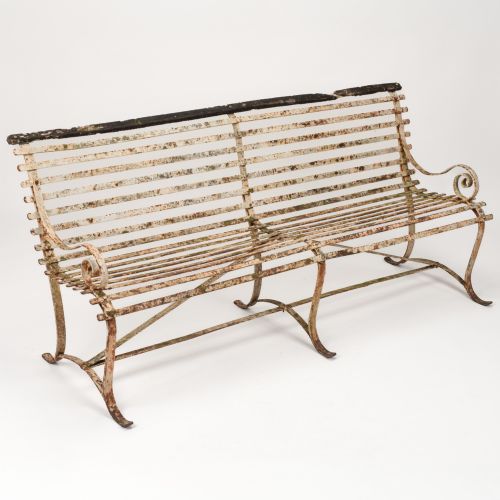
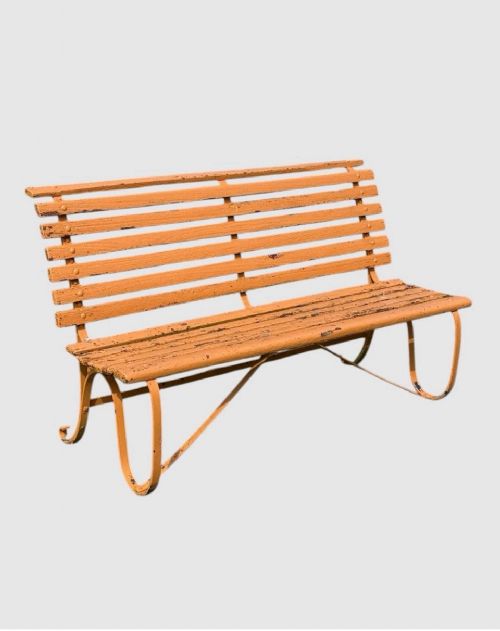


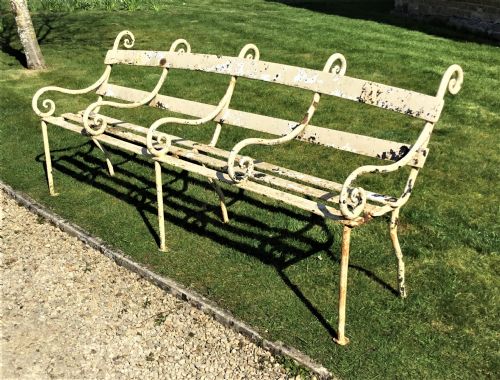

Period Metal Garden Seat
A period metal garden seat brings structure and function to the lawn, offering a solid place to sit amongst the planting.
Period Metal Garden Seat
When you search for a period metal garden seat, you encounter sturdy outdoor furniture designed to endure the elements while providing a settled spot for rest. These pieces range from substantial benches to smaller sets of garden chairs, configured for placement on terraces, lawns and parkland.
The versions most commonly met on this page span the Victorian and Regency eras, alongside later nineteenth century examples. Makers shaped these items from iron, often pairing metal frameworks with wooden slats to create practical seating for outdoor use.
Forms vary from restrained strapwork benches to ornate cast iron garden settees with detailed decorative backs. Each piece reflects the functional requirements of nineteenth century gardens, adapting metalworking techniques to domestic and public landscapes.
How they were made
Foundry workers utilised cast iron to produce intricate decorative elements and rigid structural frames for garden benches. Molten metal poured into moulds allowed for the creation of ornate backs and scrolled armrests that defined nineteenth century outdoor seating.
Blacksmiths shaped wrought iron by hand, bending strapwork into geometric patterns for the seats and backs of Regency and Victorian examples. This technique produced flexible yet resilient components capable of supporting weight without snapping.
Carpenters integrated timber slats into iron frameworks, combining materials to ensure comfortable seating surfaces that drained water efficiently. Paint finishes were applied to protect the iron and wood from weathering in open conditions.
Period Metal Garden Seat Retail Price Guide 2026
Typical asking prices for period metal garden seat among the pieces listed under this phrase on Sellingantiques today, from the lower quarter to the upper quarter. They describe what is for sale here now, not the wider market.
Early nineteenth century gardeners appreciated a sturdy iron bench so much they occasionally bolted them directly to stone flags to stop guests absconding with them.
What varies in quality
The sophistication of the ironwork sets the finest examples apart, distinguishing mass production from items fashioned with careful detail. Ornate casting and precise hand-forging demonstrate greater skill than plain, utilitarian construction.
Proportion and scale dictate the visual success of a bench, influencing how comfortably the seat accommodates the body. Heavier gauge metal and sound timber integration provide structural integrity that lighter pieces lack.
The Period Metal Garden Seat Glossary
- Strapwork
- Flat strips of iron bent or riveted into decorative patterns, commonly seen on Regency and Victorian garden seats. This technique creates an open lattice design that prevents water pooling on the seat.
- Cast iron
- Iron poured into a mould while molten to form rigid shapes and decorative components. It allows for detailed ornamentation on garden bench backs and supports.
- Wrought iron
- Iron heated and hammered into shape by hand, known for its fibrous structure and resilience. It bends rather than snaps under pressure, making it suitable for structural strapwork.
- Garden settee
- A wide outdoor seat designed for multiple people, often featuring a decorative backrest and armrests. These pieces served as focal points in nineteenth century garden design.
Period Metal Garden Seat: Frequently Asked Questions
How do I date a metal garden seat?
Dating relies on stylistic clues, such as the curved lines of the Regency period or the ornate castings associated with Victorian manufacturing. Examining the construction methods, including the use of wrought iron strapwork versus later cast components, helps narrow the decade.
Material combinations also provide context, as timber slats paired with cast iron frames became widespread during the nineteenth century. Comparing the decorative motifs to known period designs confirms the era of production.
Were these benches meant to stay outside?
Nineteenth century metal garden seats were constructed specifically to withstand outdoor conditions, utilising durable iron and treated timber. Protective paint layers helped prevent rust and decay during wet weather.
Owners typically left them on lawns and patios year-round, relying on the weight of the cast iron to keep them stable in high winds.
What is the difference between wrought and cast iron?
Cast iron is poured into moulds while molten, creating rigid and highly decorative forms that cannot be bent further. It provides the heavy, ornate backrests seen on Victorian garden seats.
Wrought iron is worked by hand while hot, resulting in a fibrous material that bends without breaking. This technique suits the open strapwork patterns found on Regency benches.
How do I care for an antique metal seat?
Maintenance involves checking the protective paint surface to prevent rust from forming on the iron components. Keeping the wood dry and applying appropriate finishes preserves the timber slats attached to the metal frame.
Storing the seat under cover during harsh winter months reduces weathering, although the robust construction allows most pieces to remain outside.