

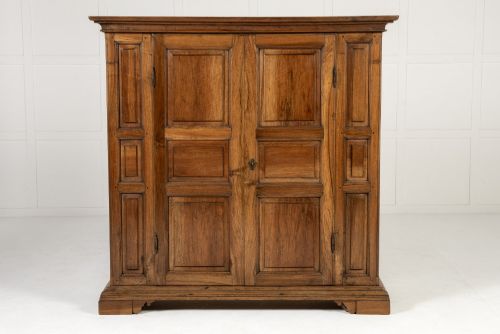


Period Linen Cupboard
When you want a period linen cupboard, you are looking for substantial timber storage with centuries of domestic history behind its doors.
Period Linen Cupboard
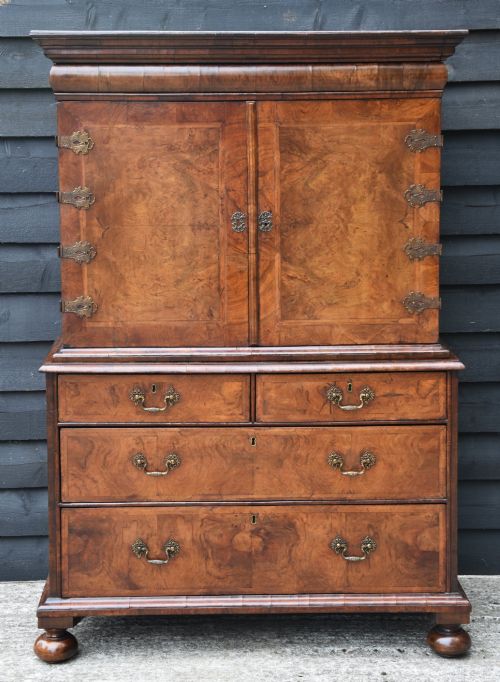
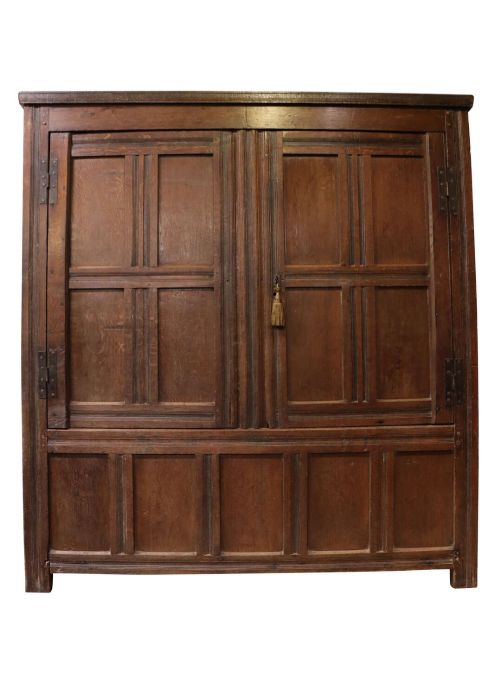
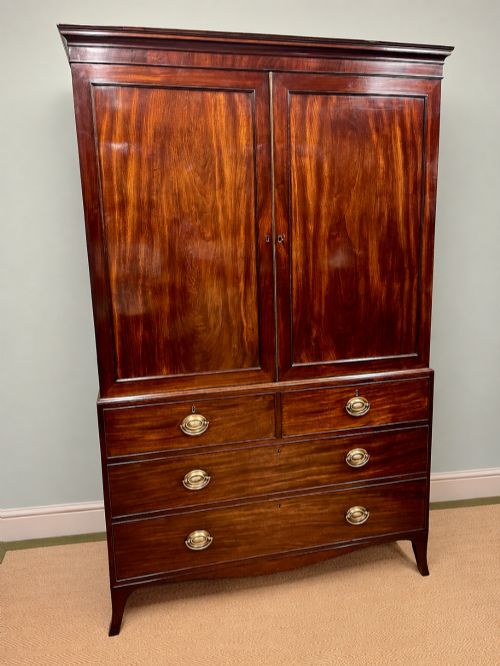
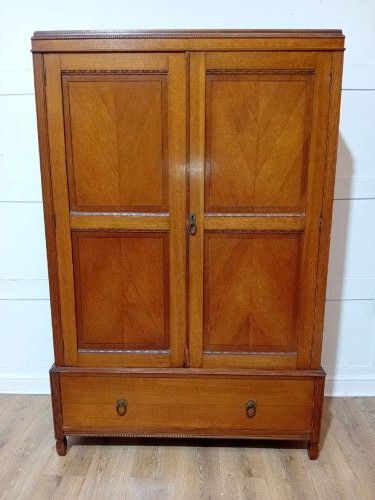
A period linen cupboard encompasses functional storage forms including traditional linen presses, housekeeper's cupboards, and tall wardrobes dating from the seventeenth century through to the Edwardian era. These pieces were designed to store household textiles and garments securely within large country houses and domestic interiors.
The most common examples on this page are mahogany and oak pieces from the Georgian and Regency periods. Buyers frequently encounter linen presses featuring sliding trays above drawer bases, alongside simpler panelled oak cupboards and tall gentleman's wardrobes.
Origins span across English provincial workshops, Irish cabinet makers, and continental ateliers, reflecting the varied regional furniture-making traditions of the past three hundred years. Each piece demonstrates the specific storage requirements of its original domestic context, from estate management to personal attire.
Evaluating quality and craftsmanship
Quality rests upon the selection of timber and the precision of the cabinet work, particularly in the figuring of veneers and the integrity of the solid wood carcase. Superior pieces display carefully matched grain patterns across large surfaces and doors, while lesser examples rely on plainer timber stocks.
Interior arrangement and original mechanics set finer examples apart, including smoothly running sliding linen trays, intact internal drawers, and well-fitted panel doors. The crispness of carved mouldings, swan-neck pediments, and original brass fittings further distinguish top-tier commissions from utilitarian storage.
Period Linen Cupboard Retail Price Guide 2026
Typical asking prices for period linen cupboard among the pieces listed under this phrase on Sellingantiques today, from the lower quarter to the upper quarter. They describe what is for sale here now, not the wider market.
Early housekeepers guarded the key to the linen cupboard fiercely, ensuring that no tablecloth ventured out without written permission.
Harris Lebus·Chippendale
The Period Linen Cupboard Glossary
- Linen press
- A tall storage piece comprising upper sliding trays enclosed by doors, positioned above a chest of drawers. This form evolved specifically for keeping household linens flat and organised.
- Compactum
- A multi-functional wardrobe or cabinet combining hanging space, drawers, and shelving within a single unified structure. These emerged around the turn of the twentieth century to maximise bedroom storage.
- Oyster veneer
- Cross-cut circular slices of branch wood arranged in decorative patterns across furniture surfaces. This distinctive technique appears frequently on late seventeenth-century walnut pieces.
- Gentleman's cabinet on chest
- A specialised storage unit featuring a compartmentalized upper section for personal attire mounted upon a chest base. Such pieces often incorporate sliding trays and dedicated drawer layouts.
- Livery cupboard
- An early form of ventilated storage cabinet traditionally used for food, provisions, or household stores. These heavily panelled oak pieces date back to the seventeenth and eighteenth centuries.
Period Linen Cupboard: Frequently Asked Questions
What is a linen press?
A linen press is a large piece of furniture designed with upper sliding shelves or trays enclosed by doors, sitting above a chest of drawers. They were used historically to press and store household linens before the advent of modern ironing.
Today, these deep upper compartments adapt well to modern wardrobe storage or linen organisation in bedrooms and landings.
How do I date an oak cupboard?
Dating oak cupboards relies on examining construction marks, panel styles, and hinge types. Seventeenth-century examples often feature pegged frame-and-panel construction with hand-split timber.
Later eighteenth- and nineteenth-century pieces display machine-sawn elements, standardised ironwork, and different moulding profiles that correspond to Georgian or Victorian design standards.
Are linen presses modular?
Period linen presses are constructed as heavy, multi-section furniture pieces rather than modern flat-pack items. They typically separate into an upper cupboard section and a lower drawer base to facilitate transport.
Moving these substantial pieces requires careful handling due to their solid timber weight and historical joinery.
How do I maintain mahogany veneer?
Maintaining mahogany veneer involves keeping timber furniture away from direct heat sources and drastic humidity shifts to prevent splitting or lifting. Regular dusting with a dry, soft cloth preserves the polished surface.
Occasional application of appropriate beeswax feeds the wood and maintains the natural lustre of flame and Cuban mahogany grains.