

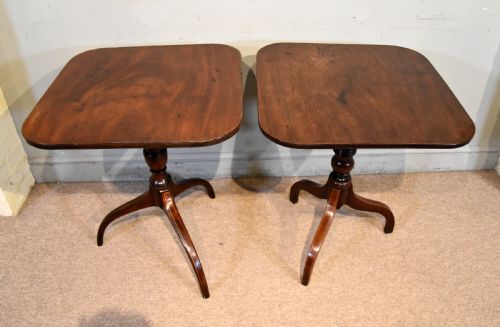


Period Lamp Stands
These period lamp stands bring historic craftsmanship into modern rooms, offering practical illumination alongside genuine antique character.
Period Lamp Stands
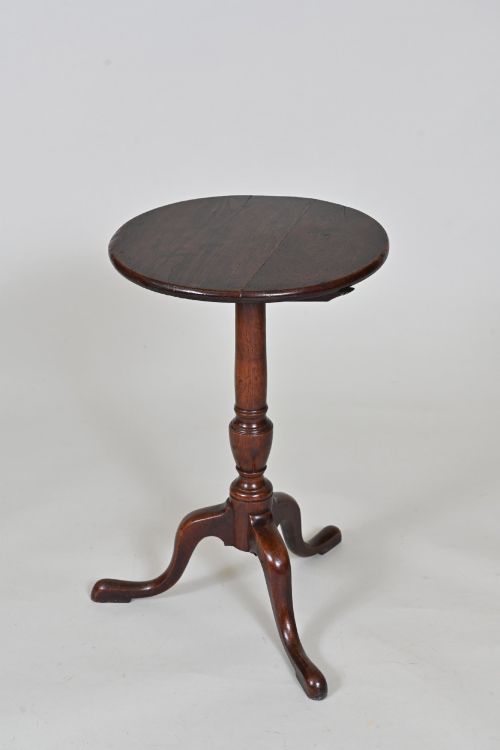
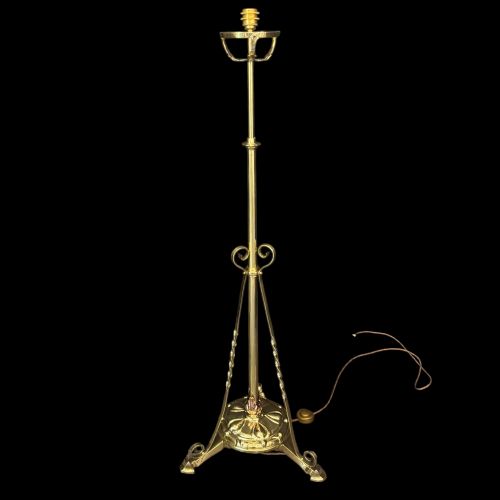
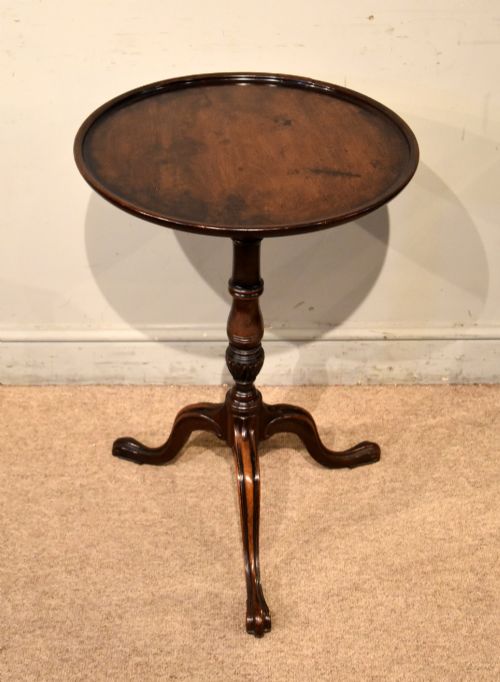
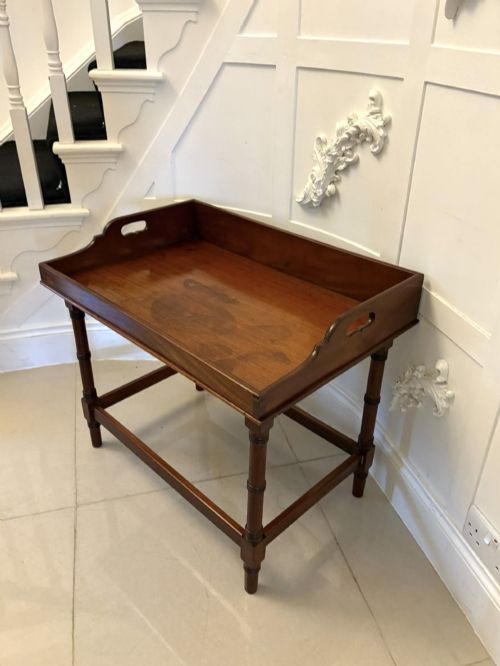
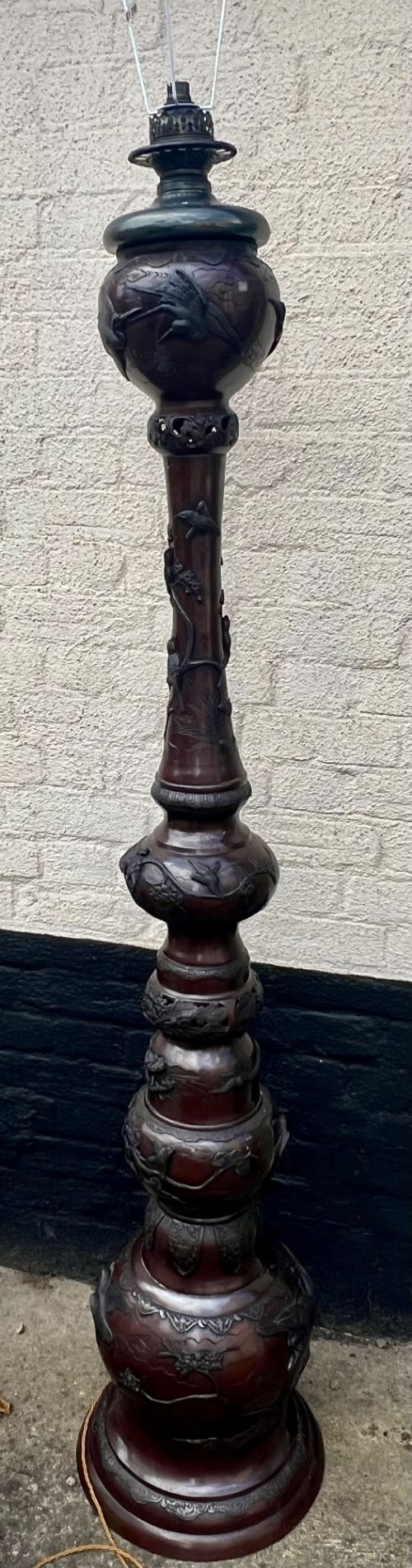
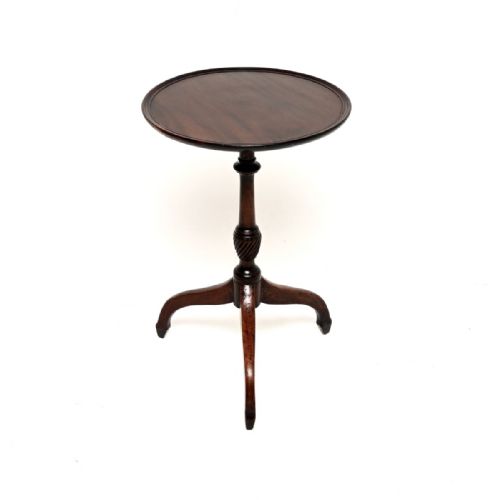
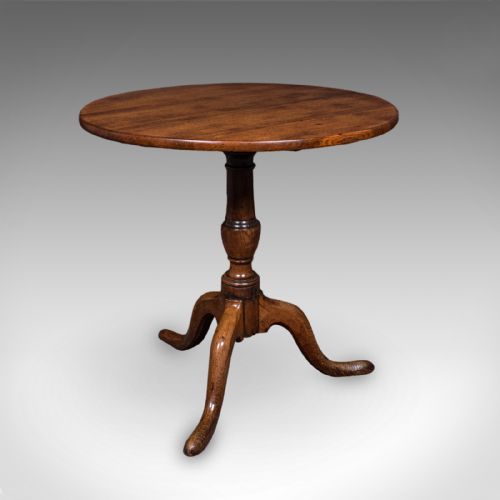
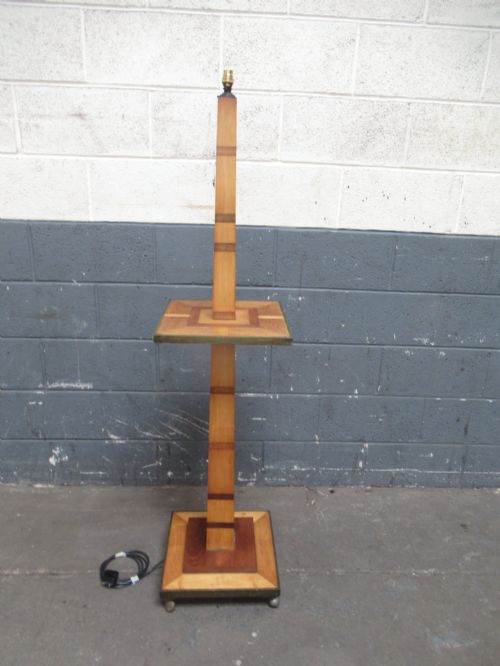
When you search for period lamp stands, you encounter a varied selection of antique furnishings designed to hold light or serve as flexible occasional surfaces. The forms range from tall floor-standing brass and bronze standards to smaller timber tables utilised for lighting.
The pieces span multiple historical eras, with examples originating from the eighteenth, nineteenth, and early twentieth centuries. Georgian and Regency designs sit alongside Arts and Crafts, Art Deco, and Victorian interpretations.
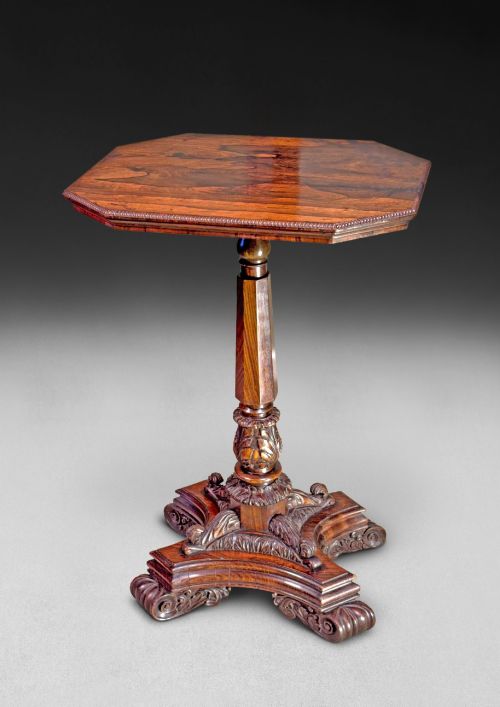
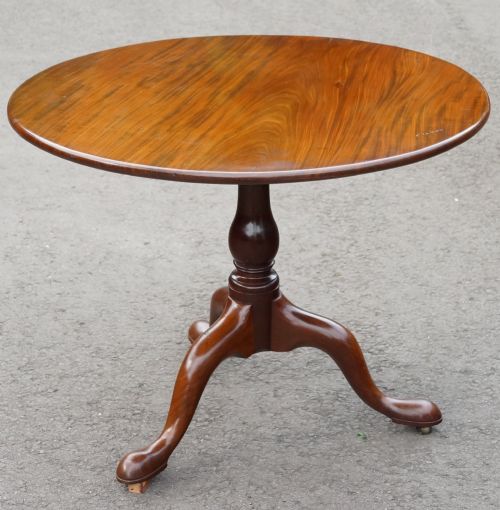
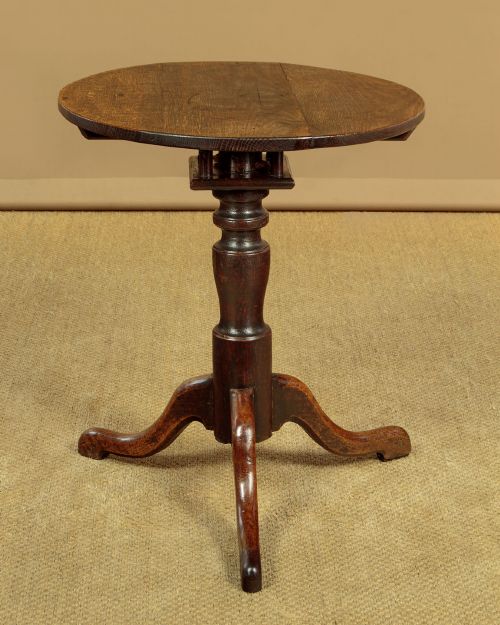
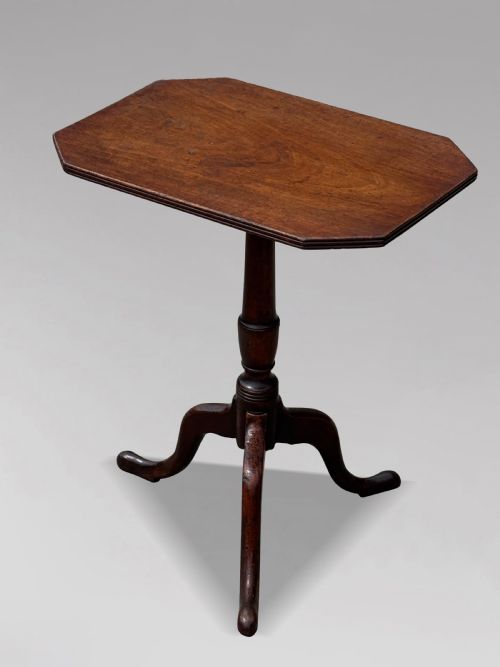
You frequently meet versatile tripod tables, wine tables, and side tables that fulfil the function of a lamp stand alongside dedicated standard lamps. Oak, mahogany, rosewood, and cast metals dominate the physical forms available on this page.
Materials and Construction
Makers utilised dense hardwoods such as mahogany, oak, and rosewood, often shaping them into stable tripod bases or multi-tiered etageres. Timber surfaces frequently employ tilt-top mechanisms, snap-top catches, or inset marble tops.
Metalworking techniques appear in brass floor lamps and Japanese Meiji period bronze standards, incorporating cast decorative elements like rams heads. Beech and elm support vernacular pieces, while ebonised finishes provide darker decorative tones.
Period Lamp Stands Retail Price Guide 2026
Typical asking prices for period lamp stands among the pieces listed under this phrase on Sellingantiques today, from the lower quarter to the upper quarter. They describe what is for sale here now, not the wider market.
The furniture spans multiple design movements from Georgian and Regency eras through to Arts and Crafts and Art Deco.
Assessing Quality
Quality rests in the precision of the timber turning, the stability of the tripod stance, and the crispness of any cast metal detail. Superior examples show thoughtful selection of figured veneers and balanced proportions.
Consideration should be given to how well structural joints have survived and whether surface patination remains natural and undisturbed across the wood or metal.
The Period Lamp Stands Glossary
- Tripod table
- A small occasional table supported by a pillar above three legs. This construction keeps the piece stable on uneven historic floorboards.
- Tilt top
- A tabletop hinged to the pillar so it can tilt vertically when not in use. This allowed the furniture to be stored flat against a wall.
- Standard lamp
- A tall floor-standing pole designed to hold a light fixture. They appear in brass, bronze, and timber across various decorative movements.
- Etagere
- A set of open shelves for displaying small items. These tiered tables offer practical surfaces for lighting and decorative objects.
- Snap top
- A tabletop secured to the base by a spring catch. It locks the surface firmly horizontal during use.
Period Lamp Stands: Frequently Asked Questions
What counts as a period lamp stand?
These pieces include dedicated floor-standing standards and smaller occasional tables used to support lamps. They originate from historical eras spanning the eighteenth century to the early twentieth century.
Makers built them using timbers like mahogany and oak, alongside metals such as brass and bronze. Each style reflects the design preferences of its specific period of origin.
How do I use an antique lamp stand today?
Floor-standing standards provide ambient room illumination when paired with compatible modern or period shades. Smaller occasional and wine tables hold desk lamps or reading lights beside seating.
Their compact scale allows them to fit easily into corners or beside sideboards. They bring historic timber warmth and metal texture into contemporary living spaces.
How do I date a wooden lamp table?
Dating relies on observing the timber species, construction methods, and stylistic details present in the piece. Georgian and Regency examples often feature mahogany and rosewood with refined turning.
Later Victorian and Edwardian items introduce burr walnut, cast brass ornamentation, and different proportions. Comparing leg shapes and tabletop mechanisms helps clarify the era of manufacture.
Are these stands sturdy enough for daily use?
Most antique stands feature solid timber or heavy metal bases designed to remain stable during normal household activities. Tripod configurations distribute weight evenly across three ground points.
Checking that joints remain firm ensures the piece handles daily placement of lighting fixtures safely. Proper placement away from heavy traffic areas protects the historic structure.