



Period Kitchen Cupboard
These period kitchen cupboard designs provide robust storage and historical presence, offering traditional character for daily use.
Period Kitchen Cupboard
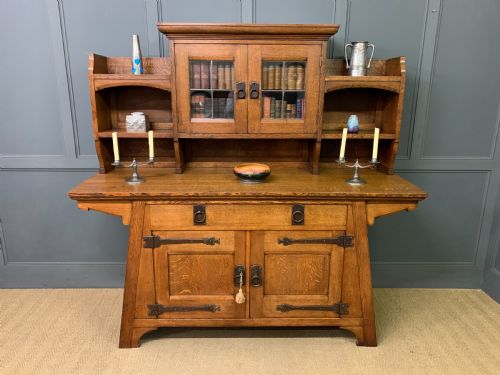
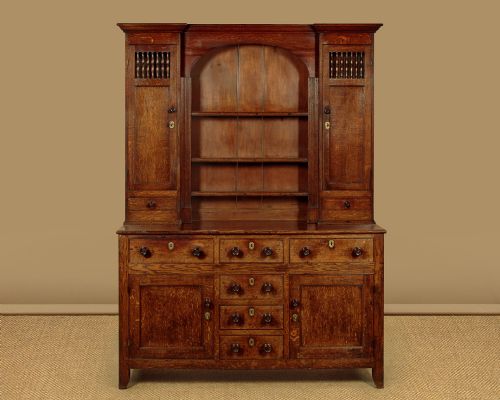
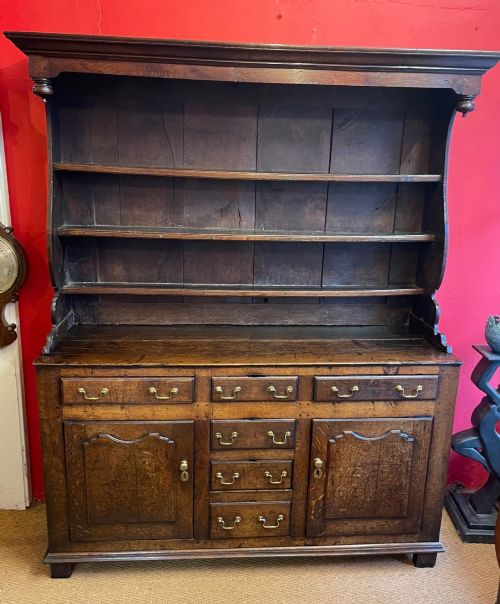
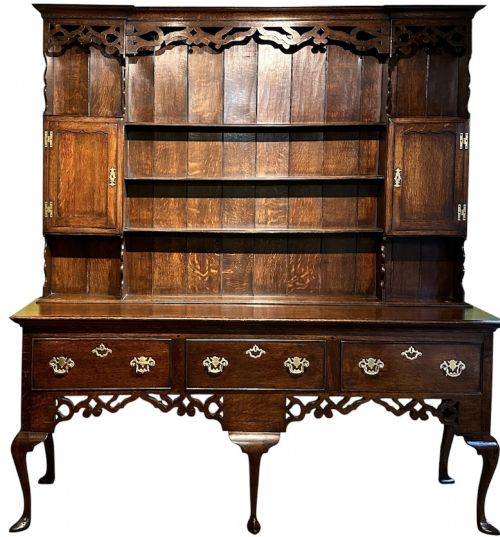
A period kitchen cupboard encompasses large storage furniture designed for domestic use, ranging from Welsh dressers to housekeepers cupboards.
The selections span 17th Century, 18th Century, Georgian, and Victorian eras, alongside regional forms such as French provincial and Japanese traditional pieces.
Buyers frequently encounter robust timber case pieces featuring enclosed cabinets, open shelves, and functional drawers suited for provisioning a home.
Materials and construction
Carpenters utilised solid hardwoods and softwoods including oak, pine, mahogany, elm, and cedarwood to build sturdy carcases and functional storage.
Hardware elements such as brass and iron provide structural fastening and operational hinges or pulls across the various eras.
Surface finishes include natural timber grains and later decorative treatments like painted green surfaces.
Period Kitchen Cupboard Retail Price Guide 2026
Typical asking prices for period kitchen cupboard among the pieces listed under this phrase on Sellingantiques today, from the lower quarter to the upper quarter. They describe what is for sale here now, not the wider market.
The listings feature pieces spanning the 17th Century, 18th Century, and Victorian periods, constructed from oak, pine, mahogany, elm, cedarwood, and painted wood.
Judging quality and craftsmanship
Quality rests upon the integrity of the timber selection and the skill evident in the joinery, distinguishing sturdy vernacular pieces from finer formal cabinetry.
The preservation of original hardware, structural elements, and surface patination dictates the historical standing of each cupboard or dresser.
The Period Kitchen Cupboard Glossary
- Welsh Dresser
- A traditional kitchen storage unit combining open plate racks above with drawers and cupboards below. It served as both display and practical storage.
- Housekeeper's Cupboard
- A large storage cabinet traditionally used by domestic staff for linens and dried goods. These pieces offer extensive internal shelving.
- Breakfront
- A cabinet design where the central section projects forward from the flanking wings. This configuration adds architectural depth to large case pieces.
- Mizuya
- A Japanese traditional kitchen tansu used for storing food and utensils. These cabinets reflect distinct regional joinery traditions.
Period Kitchen Cupboard: Frequently Asked Questions
What is a housekeepers cupboard?
A housekeeper's cupboard is a large storage piece historically used for organising household linens, provisions, and tableware. These units provide deep compartmentalized space behind solid timber doors.
They function well in modern kitchens or hallways as substantial linen or pantry storage. Their enclosed design keeps contents hidden while adding substantial historical weight to a room.
How do I care for antique oak furniture?
Antique oak benefits from consistent indoor humidity and protection from direct heat sources that can dry out the timber. Regular dusting with a soft cloth preserves the surface.
Applying occasional natural wax helps nourish old wood without building up heavy chemical residues. Avoid abrasive cleaners that strip the historic finish.
Where were Welsh dressers used?
Welsh dressers originated as functional kitchen furniture designed to hold ceramic plates, cookware, and dry foodstuffs. The upper shelves displayed tableware while base cupboards housed bulk items.
Today these pieces transition easily into dining rooms or kitchens to serve similar display and storage functions. They anchor a room with traditional utility.
How do I date an old cupboard?
Dating relies on examining construction techniques, timber choices, and hardware styles that align with specific periods like the 17th Century or Georgian era. Hand-cut joints and forged iron fittings indicate earlier periods.
Secondary woods and surface wear patterns also offer clues regarding the age of manufacture. Comparing regional design traits helps narrow down the origin.