





Period Kitchen Chairs
Period kitchen chairs bring centuries of sturdy vernacular craftsmanship straight to the daily table, offering robust seating built to endure.
Period Kitchen Chairs
Period kitchen chairs encompass robust wooden dining and farmhouse seating originating from the eighteenth, nineteenth, and early twentieth centuries. These sturdy seats reflect regional English country traditions, utilising local timbers shaped for everyday domestic utility.
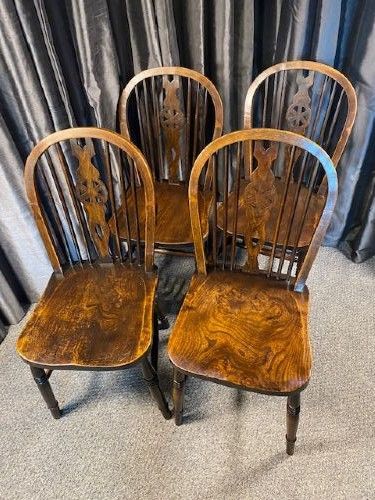
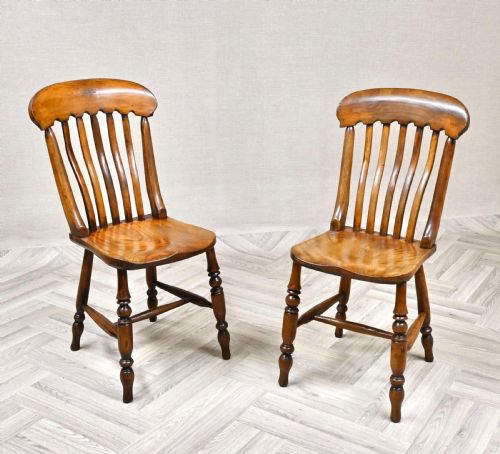
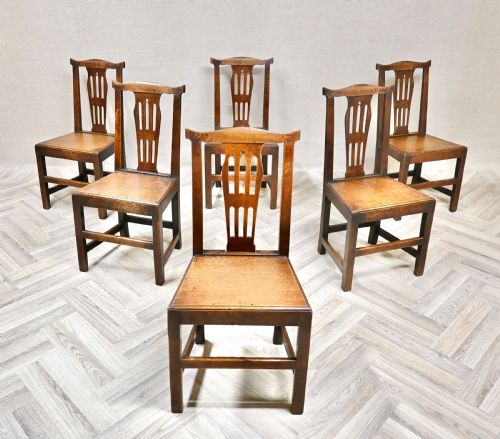
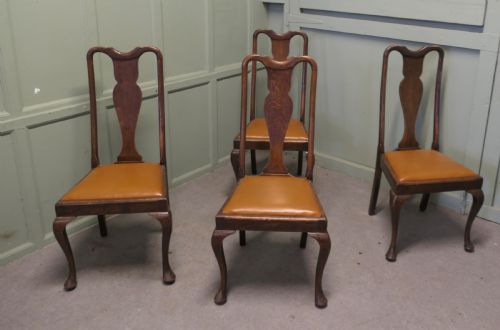
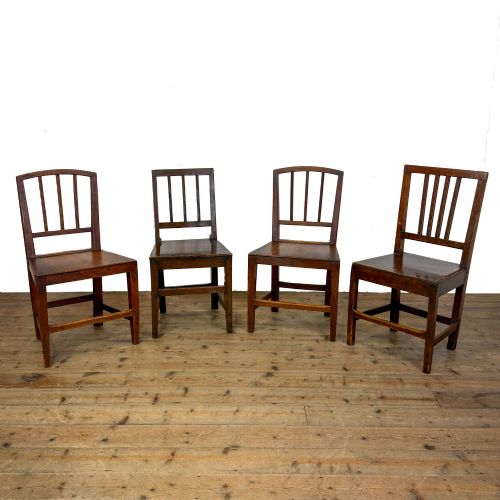
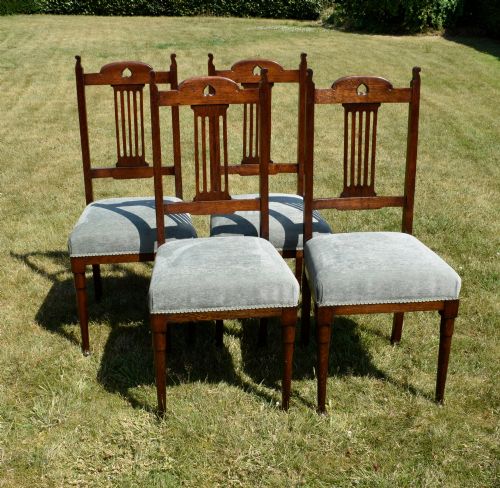
Buyers frequently encounter sets of oak, elm, or ash chairs spanning Georgian, Victorian, and Arts and Crafts styles. Harlequin sets and Windsor lathbacks appear alongside solid oak farmhouse seating and Queen Anne style variants.
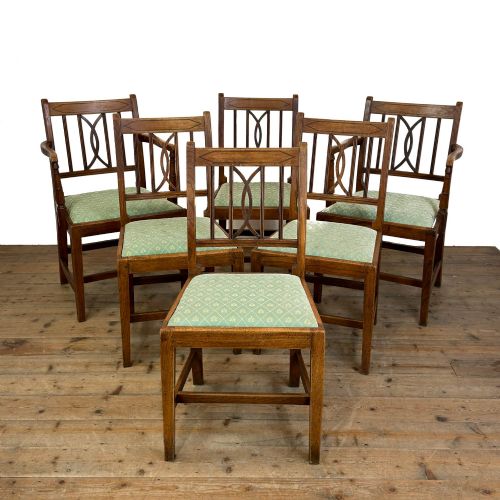
Forms range from low-back armchairs to sets of six or ten dining chairs suited for daily gathering. These pieces derive from rural workshops where function dictated form, resulting in enduring domestic seating.
Materials and construction
Local hardwoods form the foundation of these country seats, with oak, elm, ash, and beech selected for their resilience and grain. Timbers are frequently combined within a single frame, pairing elm seats with ash spindles or oak supports.
Joinery relies on traditional methods including pegged mortise and tenon joints and turned spindle construction. Windsor designs incorporate steam-bent components and shaped solid wooden saddles carved for comfort.
Period Kitchen Chairs Retail Price Guide 2026
Typical asking prices for period kitchen chairs among the pieces listed under this phrase on Sellingantiques today, from the lower quarter to the upper quarter. They describe what is for sale here now, not the wider market.
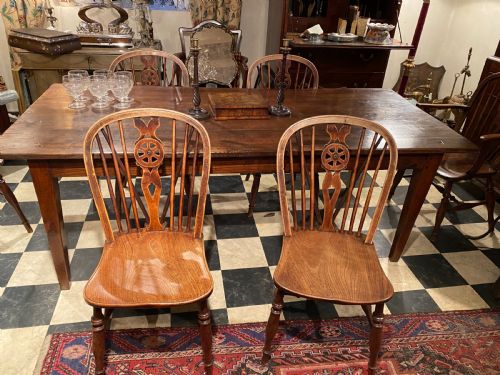
Generations of polishing have left these elm seats with a smooth, concave dip where daily dining once anchored the household.
Standards of manufacture
Quality separates through the integrity of the timber selection and the retention of original matching components within a set. Cohesive harlequin groupings maintain structural harmony while displaying individual character across each seat.
Refined turning on legs and spindles alongside deeply saddled solid wood seats distinguish finer examples from plain utility pieces. Original surface patination accumulated through generations of domestic use elevates the standing of a set.
The Period Kitchen Chairs Glossary
- Harlequin set
- A collection of chairs matching in general style and period but varying slightly in individual detail. Such groups were typically assembled over time rather than purchased as a single uniform order.
- Windsor
- A traditional wooden chair featuring a solid sculpted seat into which the legs and back spindles are tenoned directly. These designs often incorporate bentwood bows and lath backs.
- Lathback
- A chair back featuring vertical wooden slats or laths secured between a top rail and the seat. This form provides sturdy upright support common in nineteenth-century country seating.
- Bar back
- A chair design featuring a horizontal wooden bar across the upper backrest, often shaped or curved for comfort. This style appears on nineteenth-century mahogany dining seats.
- Yorkshire dining chairs
- Regional nineteenth-century wooden chairs originating from Northern England, typically constructed from oak with distinctive carved or panelled details.
Period Kitchen Chairs: Frequently Asked Questions
What periods do these chairs cover?
The available selection spans eighteenth, nineteenth, and early twentieth-century examples, incorporating Georgian, Victorian, and Arts and Crafts designs.
These pieces reflect traditional English country craftsmanship across diverse regional styles and woods.
How are harlequin sets assembled?
Harlequin sets consist of chairs sharing a common period and vernacular style while showing minor individual variations in turning or proportions.
Such groupings offer matched character around a dining table without requiring a uniform factory-produced set.
Which woods were used?
Constructors utilised native hardwoods including oak, elm, ash, beech, and mahogany, frequently combining timbers within a single piece.
Elm frequently provided durable seats while ash and oak formed the structural frames and spindles.
How do Windsor chairs differ?
Windsor chairs feature a solid wooden seat carved with a saddle shape, into which the legs and back components are tenoned directly.
This construction method contrasts with standard framed dining chairs by providing independent structural strength through the thick seat slab.