

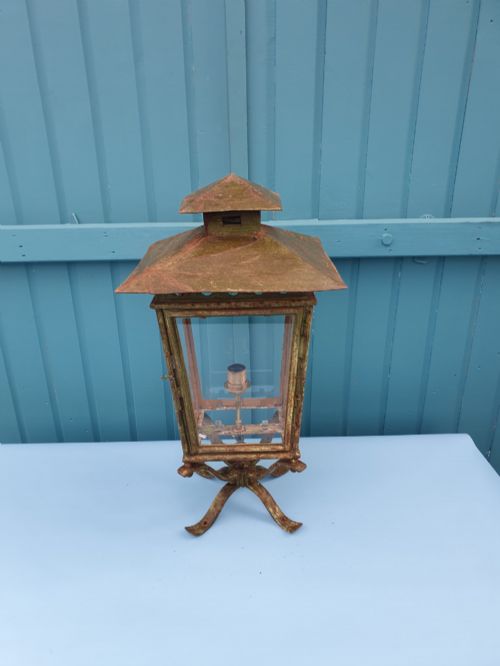


Period Iron Lighting
Period iron lighting combines structural weight with functional illumination, offering durable metalwork suited to both interior spaces and outdoor gardens.
Period Iron Lighting
When you search for period iron lighting, you encounter utilitarian metal fixtures designed for practical illumination across domestic and exterior settings. These objects combine the sturdy nature of heavy metals with functional design, spanning residential rooms, gardens, and streetscapes.
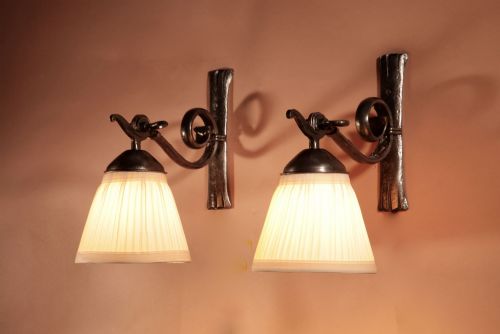
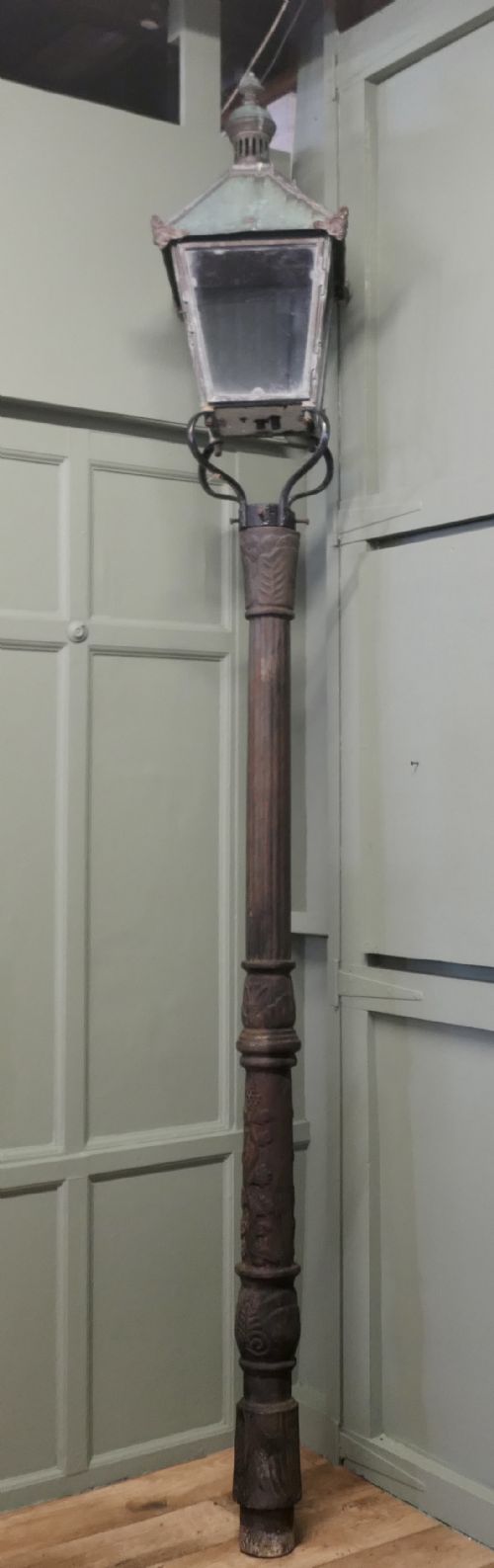
The most common examples on this page are wall lights, ceiling fixtures, and lanterns forged or cast in metal. They bridge the gap between architectural salvage and domestic decoration, originating from the Victorian era up through the early twentieth century.
Makers utilised various base materials alongside metal, integrating glass, porcelain, and fabric into the construction of hanging lamps and wall lanterns. These pieces reflect the functional requirements of their respective eras, moving from gas conversion to electric wiring.
How they were made
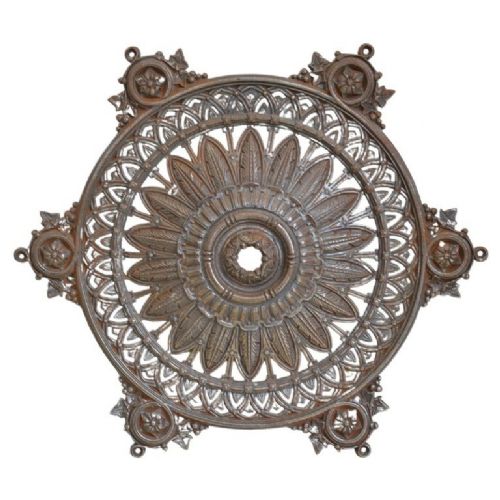
Makers formed these fixtures using wrought iron and cast iron, often employing forging techniques for adjustable brackets and decorative scrollwork. Cast elements provided intricate relief details, as seen in ornamental ceiling roses featuring leaf and feather motifs.
Workshops combined iron with other media, mounting copper street lanterns and incorporating Japanese Kutani porcelain or glass panels into lamp bodies. Painted metal surfaces protected the underlying material from weathering in exterior garden settings.
Period Iron Lighting Retail Price Guide 2026
Typical asking prices for period iron lighting among the pieces listed under this phrase on Sellingantiques today, from the lower quarter to the upper quarter. They describe what is for sale here now, not the wider market.
What varies in quality
The standard of these pieces depends upon the crispness of the cast ornamentation and the skill involved in hand-forging the ironwork. Finer examples display deliberate attention to proportions and balanced integration of secondary materials like porcelain and copper.
Superior execution shows in the retention of original surface treatments, such as weathered green paint or aged patination on the metal. Lesser examples may exhibit clumsy conversions or replacement components that obscure the original period character.
The Period Iron Lighting Glossary
- Cast iron
- Iron poured into a mould to create rigid components with detailed surface decoration. This technique allowed makers to produce ornamental ceiling roses and structural brackets efficiently.
- Wrought iron
- Iron heated and hammered by hand into specific shapes by a blacksmith. This material yields durable, fibrous structures suited to adjustable wall lights and hanging brackets.
- Ceiling rose
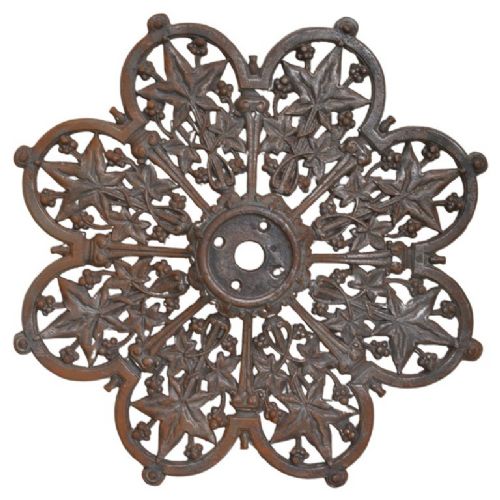
- An ornamental plaster or metal disc fitted to the ceiling from which a light fixture hangs. Iron versions frequently feature botanical motifs like ivy leaves.
- Architectural salvage
- Building components rescued from demolition sites for reuse in interior design. This category includes lanterns, lampposts, and decorative iron panels.
Period Iron Lighting: Frequently Asked Questions
How do I clean period iron lighting?
Dust the metal surfaces gently with a dry cloth to prevent moisture accumulation and preserve the existing patination. Avoid abrasive cleaners that might strip away original painted finishes or aged protective coatings.
For glass or porcelain components, use a mild detergent solution applied sparingly with a soft cloth. Ensure all electrical parts remain completely dry during any maintenance procedure.
Can these old lanterns be wired for modern electricity?
Most antique fixtures can be adapted to accept contemporary electrical fittings with the help of a qualified electrician. Many pieces have already undergone conversion from earlier fuel sources like gas or oil.
When rewiring, professionals can usually retain the original metal housing and external brackets while updating internal safety standards. This keeps the historical exterior intact while meeting current domestic requirements.
Where should I hang a heavy iron wall light?
Heavy cast or wrought iron fixtures require secure mounting into solid masonry or substantial wooden wall studs. The weight of the metal demands robust fixings to prevent structural sagging or pulling away from the surface.
Consider the projection of adjustable arms or wall lanterns to ensure they do not obstruct passageways. Outdoor placements benefit from sheltered locations that minimise direct exposure to persistent moisture.
How do I identify the age of an iron light?
Examine the fabrication methods, as hand-forged wrought iron often points towards nineteenth-century craftsmanship. Standardised cast components and specific decorative styles like Arts and Crafts or Art Deco help narrow down the production era.
Material combinations also offer clues, such as the integration of Japanese porcelain or specific types of blown glass. Comparing construction details against known period design motifs confirms the likely timeframe.