






Period Interior Artwork
Period interior artwork brings domestic scenes and historical rooms straight to your walls, offering glimpses into past centuries through canvas and paper.
Period Interior Artwork
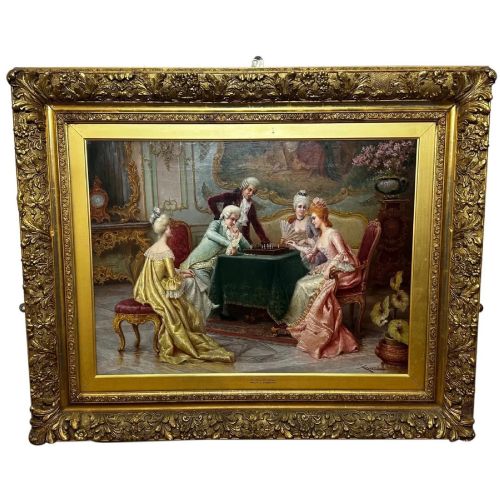
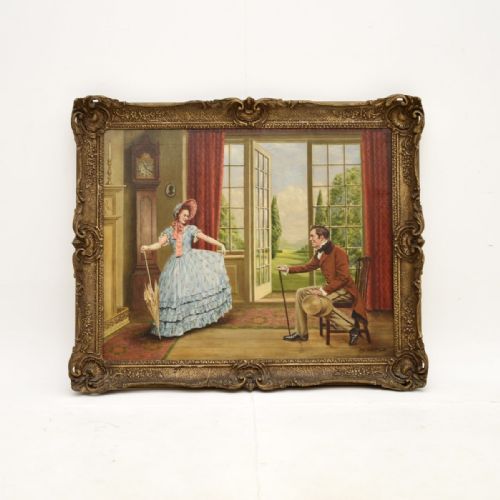
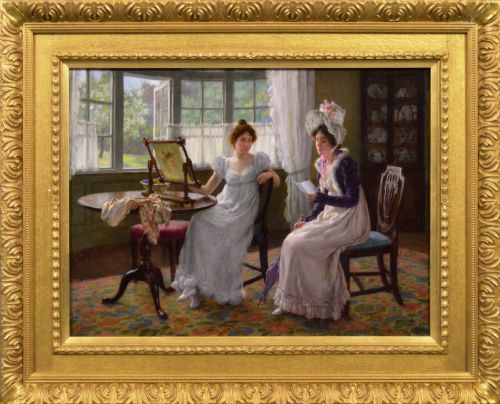
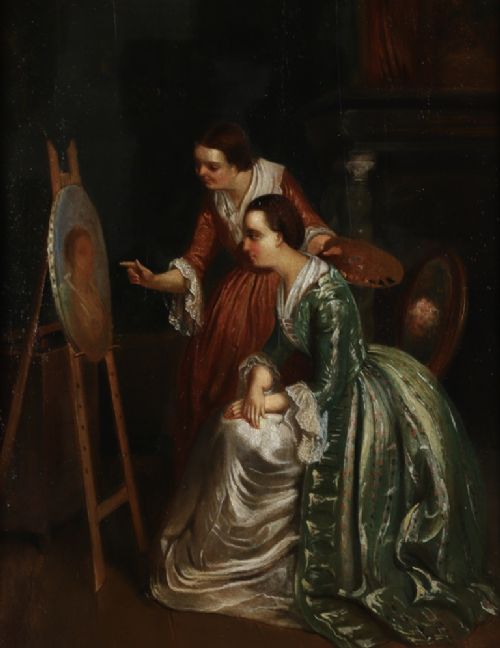
When you search for period interior artwork, you encounter painted scenes of domestic life, country houses, studios, and courtly chambers. These works capture private moments, from tea time to morning rituals, set within historically styled rooms.
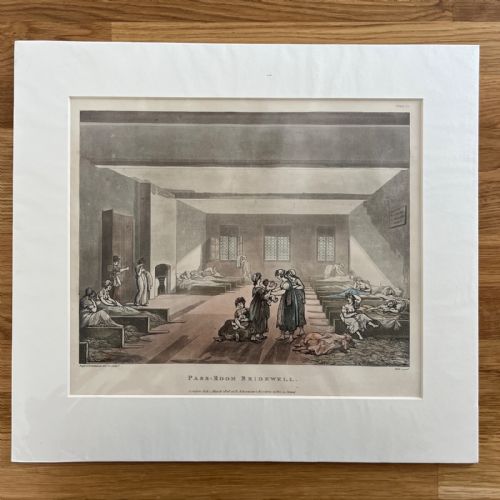
The selections span from the eighteenth century through to the mid-twentieth century, encompassing British genre painting, French rococo revival, and art deco sensibilities. You will find oil paintings, watercolours, etchings, and woodblock prints representing various European and British schools.
Framed artwork and wall art dominate the offerings, often presented in ornate wooden frames designed to complement the period aesthetic. These pieces serve as windows into earlier domestic arrangements, architectural details, and social customs.
Materials and construction
Artists relied primarily on oil on canvas and watercolour on paper to render these detailed interior scenes. Canvases are stretched over wooden supports and frequently housed in giltwood or gesso picture frames.
Printmakers utilised woodblock techniques on paper, capturing fine lines in Japanese prints and European etchings alike. The physical mounting often includes period wooden framing with ornate decoration to enhance the visual weight of the artwork.
Period Interior Artwork Retail Price Guide 2026
Typical asking prices for period interior artwork among the pieces listed under this phrase on Sellingantiques today, from the lower quarter to the upper quarter. They describe what is for sale here now, not the wider market.
One gentleman's morning shaving ritual is forever interrupted by his observant wife, captured neatly on canvas for posterity.
Factors of quality and execution
Quality rests in the precision of the brushwork and the complexity of the interior composition. Masterful handling of light, shadow, and architectural perspective elevates a piece above simpler decorative renderings.
The condition of the canvas, paper, and original pigment preservation dictates the integrity of the artwork. Furthermore, the presence of matching or period-appropriate giltwood and gesso frames adds substantially to the historical cohesion of the piece.
Stephen Samuel Lewin·Alfred Lyndon Grace·Charles Haigh Wood·Rolinda Sharples·Kunisada
The Period Interior Artwork Glossary
- Genre painting
- Depiction of aspects of everyday life by depicting ordinary people engaged in common activities. These scenes often focus on domestic interiors and social gatherings.
- Giltwood
- Wood that has been coated with gold leaf or a gold-coloured substance. It is commonly found on ornate antique picture frames.
- Woodblock print
- A technique for printing text, images or patterns used widely throughout East Asia. It originated as a method of printing on textiles and later on paper.
- Gesso
- A white paint mixture consisting of a binder mixed with chalk, gypsum, pigment, or their combinations. It serves as a prepared substrate for painting on wood or canvas.
- Etching
- The process of using strong acid or mordant to cut into the unprotected parts of a metal surface to design in intaglio. The resulting plate holds ink to create printed paper artwork.
Period Interior Artwork: Frequently Asked Questions
How do I date an interior painting?
Dating relies on the clothing styles of the figures, the interior furnishings depicted, and any signatures or labels on the reverse. Canvas types and framing styles also offer reliable clues to the period.
Examining artist signatures and historical records helps narrow down the decade of creation. Comparing the depiction of furniture to known design eras provides additional confirmation.
Where should I hang these artworks?
These pieces suit traditional sitting rooms, studies, and hallways where period furnishings create a complementary backdrop. Placing them away from direct sunlight protects oil pigments and paper.
Pairing them with period interior artwork or antique furniture enhances the historical atmosphere of the room. Ensure the wall brackets securely support the weight of ornate wooden frames.
How do I care for antique watercolours?
Watercolours on paper require protection from moisture and direct UV light to prevent fading. Framing them behind conservation glass safeguards the delicate pigments.
Keep them in rooms with stable humidity levels to avoid warping the paper or damaging the mount. Regular dusting of the frame with a dry cloth keeps the presentation pristine.