



Period House Furniture
Period house furniture brings enduring character to historic interiors through centuries-old craftsmanship.
Period House Furniture
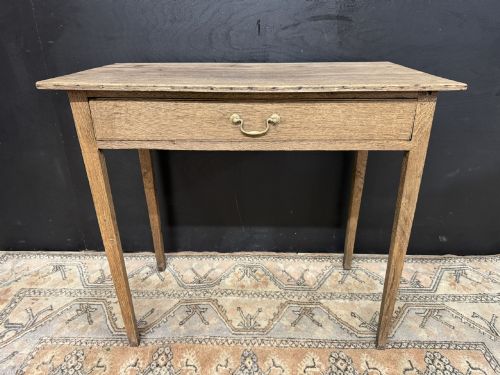
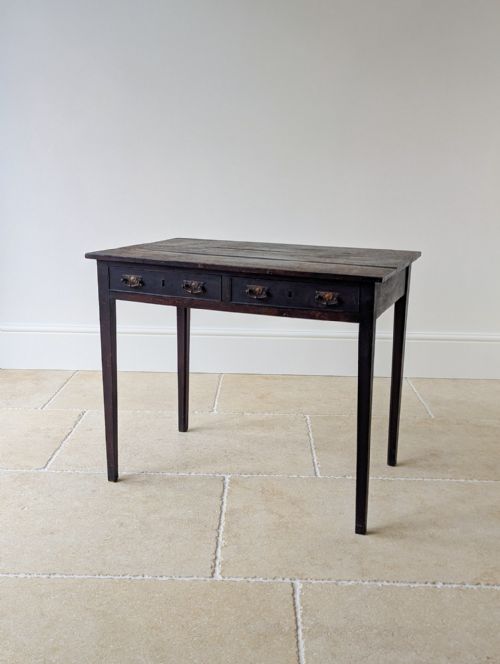
Period house furniture encompasses substantial domestic items designed for historic dwellings across the seventeenth, eighteenth, and nineteenth centuries. When searching for period house furniture, buyers encounter robust everyday items shaped by regional British vernacular traditions and formal cabinet-making. Oak and mahogany predominate among these listings, taking the form of side tables, armchairs, chests of drawers, and estate cupboards.
The selections available range from sturdy country house oak side tables and cricket tables to elegant Hepplewhite mahogany armchairs and Regency boot racks. Simpler vernacular forms sit alongside refined Georgian designs, reflecting the varied social strata of historic domestic life. Oak examples often display the honest joinery of earlier centuries, whilst later pieces utilise mahogany and yew wood.
Buyers are most likely to meet sturdy oak and mahogany pieces intended for practical daily use in traditional rooms. Estate cupboards, gateleg dining tables, and hanging shelves illustrate the functional nature of these historical survivals. Each piece carries the distinct material footprint of its era, from eighteenth-century elm armchairs to seventeenth-century dining tables.
How period house furniture was made
Makers relied primarily on solid native timbers such as oak, elm, and yew wood for vernacular pieces, whilst employing imported mahogany for formal cabinet-making. Joinery techniques such as mortise and tenon joints provided the structural integrity required for heavy-use items like gateleg dining tables and country house armchairs. Brass hardware, including handles and key escutcheons, added functional detail to chests of drawers and cupboards.
Upholstered items incorporated traditional materials including damask and tapestry upholstery over stuffed backs. Surface finishes developed naturally through beeswax polishing and decades of handling, preserving the deep grain patterns of oak and mahogany. Cabinet-makers shaped mahogany into refined hanging shelves and George III cupboards using hand saws, planes, and chisels.
Period House Furniture Retail Price Guide 2026
Typical asking prices for period house furniture among the pieces listed under this phrase on Sellingantiques today, from the lower quarter to the upper quarter. They describe what is for sale here now, not the wider market.
Listings feature oak, mahogany, yew wood, and elm across Georgian, Regency, seventeenth-century, and nineteenth-century periods.
What varies in quality
The hierarchy of quality in these pieces rests on the selection of timber and the ambition of the original design. A vernacular oak cricket table relies on straightforward utility, whereas a set of Hepplewhite carved mahogany armchairs demonstrates sophisticated stylistic ambition through careful proportion and detail. Timber figure and grain orientation separate standard utility items from superior cabinet work.
Structural integrity and the preservation of original surfaces dictate the standing of individual pieces within the market. Items retaining their early brass mounts, undisturbed joinery, and honest patina command greater attention than those with extensive replacement timber. The finesse of carved elements, particularly on George III mahogany pieces, distinguishes master craftsmanship from simpler regional production.
The Period House Furniture Glossary
- Gateleg table
- A dining table featuring hinged flaps supported by swing legs that move outward like a gate to hold the leaves.
- Low boy
- A small side table or dressing table with one or more drawers, standing on relatively tall legs.
- Housekeepers cupboard
- A large storage cabinet traditionally used in country houses for linens, dry goods, and household provisions.
- Vernacular
- Architectural and furniture styles created by local artisans using regional traditions and materials, distinct from formal London court fashions.
Period House Furniture: Frequently Asked Questions
What defines period house furniture?
Period house furniture encompasses authentic historical items dating from the seventeenth to the nineteenth centuries, built to serve practical functions in domestic interiors.
These pieces reflect the predominant materials and aesthetic standards of periods such as the Georgian, Regency, and earlier centuries.
How do I identify oak pieces?
Oak furniture is characterised by a dense, heavy grain structure with visible medullary rays, often developing a rich dark brown patina over centuries.
Such items frequently date from the seventeenth and eighteenth centuries, utilising traditional joinery without metal fasteners.
Where were these pieces used?
These items originated in country houses, estate rooms, and historic domestic settings where they served daily domestic routines, from dining to storage.
Large cupboards, armchairs, and side tables fulfilled specific practical roles within the traditional household hierarchy.
How do I care for antique timber?
Preserving antique oak and mahogany requires stable indoor humidity levels and protection from direct sunlight to prevent timber splitting or fading.
Periodic application of appropriate wax polish maintains the surface sheen without damaging the historic finish.