






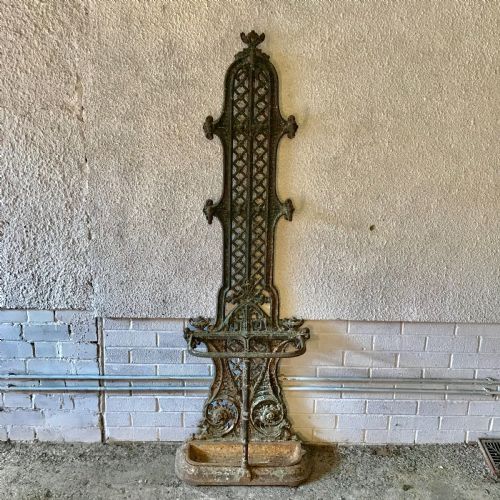

Period Hallway Furniture
Period hallway furniture brings timeless character to entrance spaces through historic seating, tables and stands crafted in centuries past.
Period Hallway Furniture
Period hallway furniture encompasses a range of traditional seating, tables and stands designed to furnish domestic entrances. The selection reflects domestic requirements from the seventeenth century onwards, incorporating pieces intended for everyday utility.
Visitors encounter forms such as settles, benches, side tables, console tables and umbrella stands originating from various historical eras. These items establish a functional foundation for historic interiors while retaining their original purpose.
The objects present diverse regional characteristics, spanning British, French, Swedish and Chinese traditions. Each piece demonstrates the specific aesthetic priorities of its period of manufacture.
How they were made
Constructed primarily from traditional timbers such as mahogany, oak and walnut, these items rely on robust joinery techniques suited to heavy daily use. Cabinetmakers shaped structural elements by hand, often incorporating decorative veneers and painted finishes.
Metal components such as cast iron and brass appear in functional elements like umbrella stands and boot racks. Gilding and lacquer work provide decorative surface finishes on select tables and cabinets.
Listings incorporate furniture spanning from the seventeenth century through to the nineteenth century, including oak, mahogany, cast iron and painted finishes.
What varies in quality
Distinctions in quality emerge through the refinement of timber selection and the execution of decorative details. Superior examples exhibit precise proportions and carefully figured wood grains that enhance the overall form.
The integrity of original surface treatments and the sophistication of carving or gilt decoration separate standard utilitarian items from finer decorative pieces. Attribution to specific makers or workshops further elevates the standing of individual furniture items.
Falkirk Foundry·Gillows
The Period Hallway Furniture Glossary
- Settle
- A wooden bench featuring a high back designed to block draughts in entrance halls and living spaces. These seats often incorporate storage beneath the hinged bench seat.
- Console table
- A table designed to be fixed against a wall, frequently supported by ornamental legs or brackets. Such tables appeared prominently in formal entrance spaces to display decorative objects.
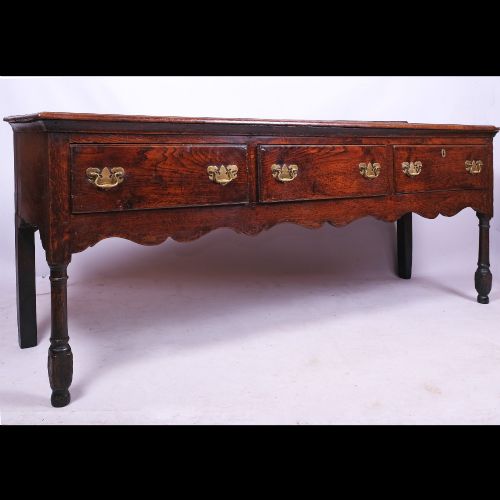
- Dresser base
- A low wooden sideboard fitted with drawers or cupboards, originating from early domestic kitchens and halls. These substantial pieces provided practical storage for household goods.
- Gilt decoration
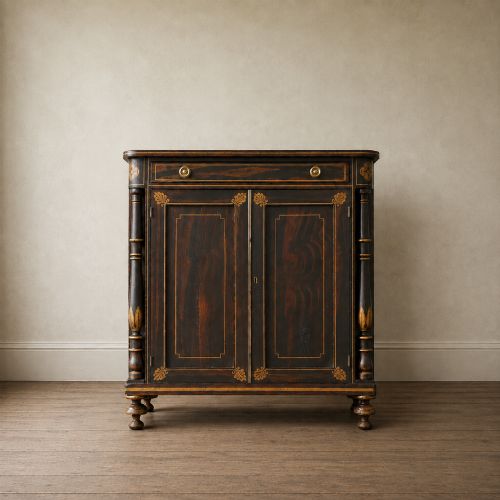
- The application of gold leaf or gilt powder to wooden surfaces to create metallic highlights. This technique enhances the visual richness of empire and neoclassical furniture.
- Simulated rosewood
- A painted finish applied to common timbers to imitate the appearance of expensive exotic hardwoods. Artisans utilised this method to achieve a luxurious effect at a lower cost.
Period Hallway Furniture: Frequently Asked Questions
How do I use an antique umbrella stand?
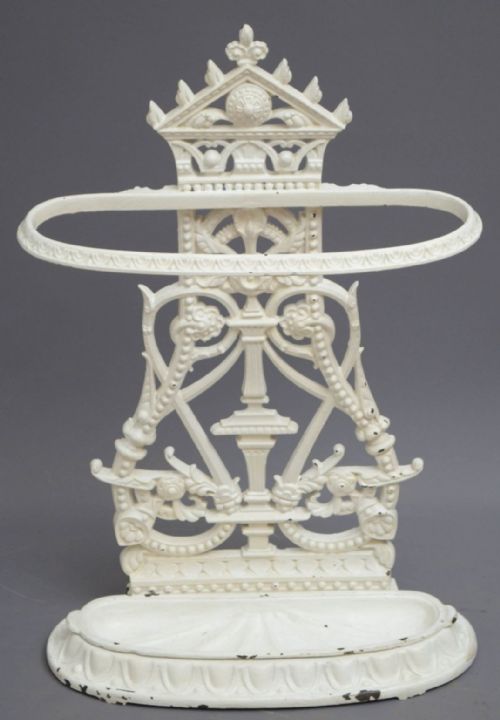
Antique cast iron and metal umbrella stands provide a practical receptacle for walking sticks, umbrellas and riding whips in a modern entrance hall. Their weighted construction ensures stability when holding heavy wet items.
Placing one of these stands near the front door maintains its original historic function while adding structural contrast to contemporary hallway interiors.
What is a console table used for?
Console tables were historically placed against entrance walls to create a striking first impression for guests arriving at a residence. They offered a convenient surface for placing hats, gloves and visiting cards.
In modern settings, these tables function well as slim surface areas beneath hallway mirrors or windows without obstructing narrow passage routes.
How can I tell a Georgian table from a Victorian one?
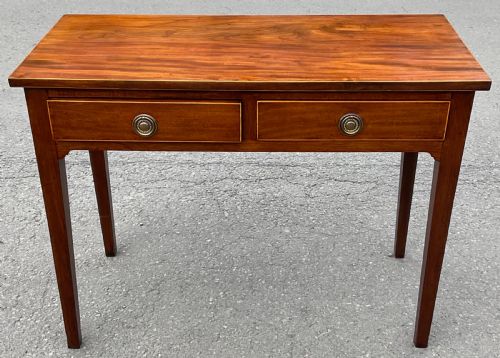
Georgian tables generally exhibit restrained classical proportions, rectilinear forms and restrained use of mahogany or oak during the eighteenth century. Their construction emphasises understated elegance and functional utility.
Victorian tables often display heavier castings, more exuberant ornamentation and industrial materials like cast iron as seen in nineteenth-century production methods.