

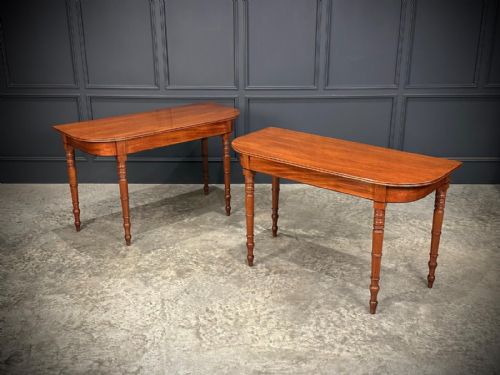


Period Hallway Console
A period hallway console anchors an entrance with timber and marble, offering a surface for letters and light.
Period Hallway Console
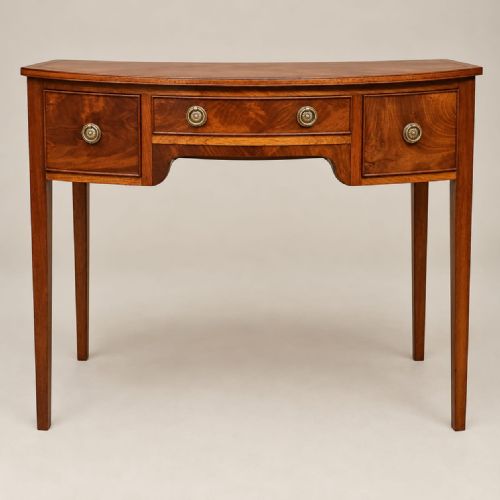
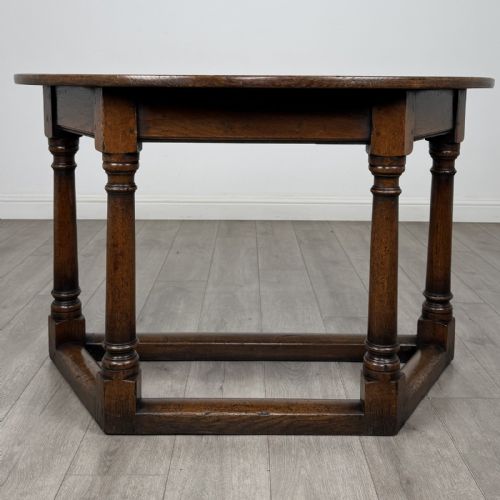
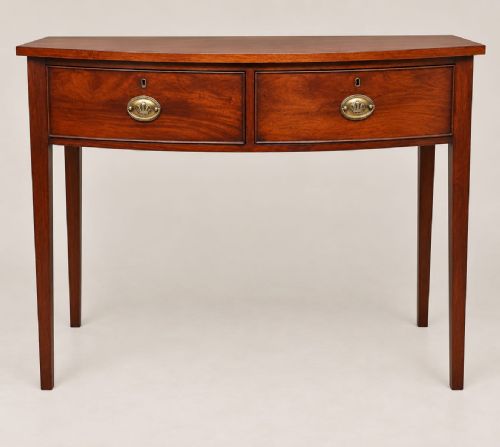
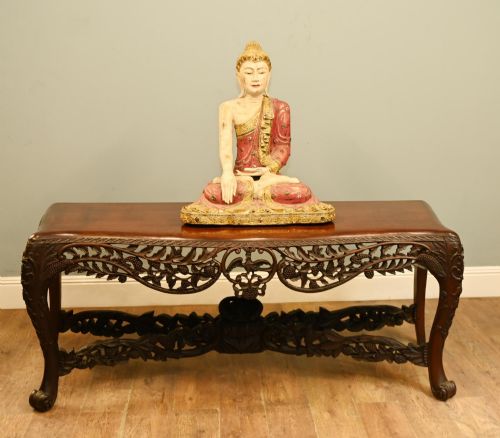
A period hallway console encompasses console tables, side tables, sofa tables, and serving tables designed to stand against an interior wall. These pieces emerge from the Georgian, Regency, Edwardian, and nineteenth-century periods, alongside examples from the Qing Dynasty and French Empire styles.
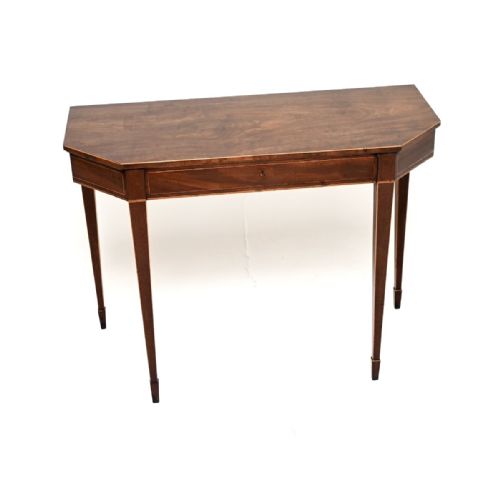
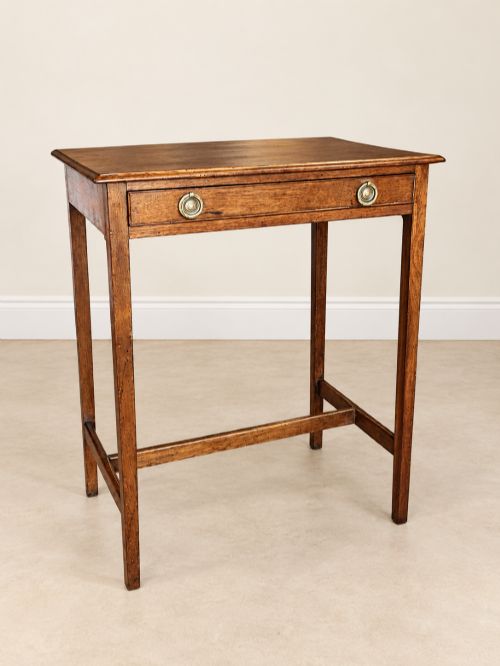
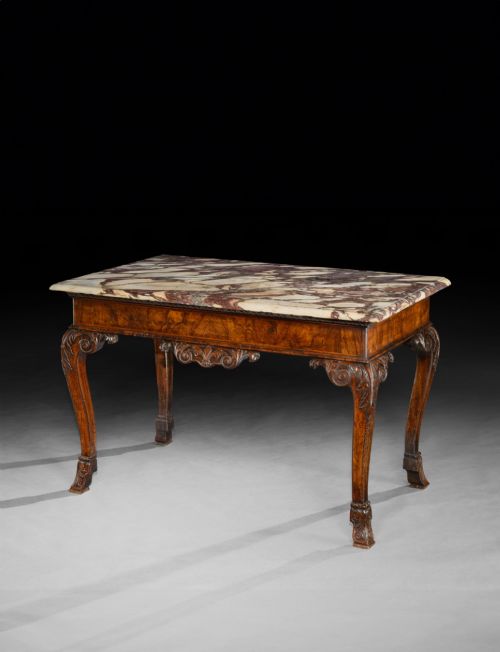
The most common formats on this page are mahogany demi-lune and rectangular side tables from the Georgian and Regency eras. Buyers encounter pieces ranging from simple single-drawer pine and mahogany designs to elaborate carved walnut, rosewood, and gilt-wood consoles topped with marble.
Materials and Construction
Cabinetmakers constructed these tables primarily in solid mahogany, walnut, rosewood, and oak, frequently applying flame mahogany veneer and boxwood stringing across curved demi-lune fronts. Workshops utilised native and exotic timbers, shaping them into sideboards, altar tables, and pier tables using traditional joinery.
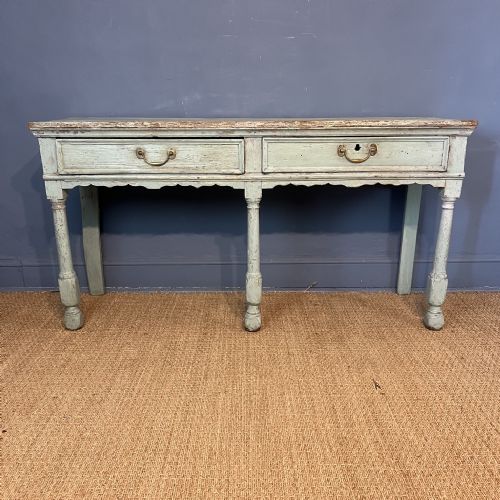
Surface treatments vary from polished wood finishes to painted pine, red lacquer, and parcel gilt. Marble inserts appear on French Empire and Regency consoles, providing a contrasting stone surface supported by carved wood frames.
Period Hallway Console Retail Price Guide 2026
Typical asking prices for period hallway console among the pieces listed under this phrase on Sellingantiques today, from the lower quarter to the upper quarter. They describe what is for sale here now, not the wider market.
Listings feature woods including mahogany, rosewood, walnut, satinwood, and boxwood, alongside marble and brass.
Judging Quality and Execution
Quality rests in the selection of timbers, such as figured mahogany and rosewood veneers, and the crispness of carved details like the gilt-wood ornamentation on French and Regency examples. Superior pieces display thoughtful proportions and balanced integration of secondary woods.
The refinement of brass hardware, the precision of boxwood inlay, and the integrity of original marble tops distinguish high-status workshop production from simpler provincial items.
Gillows
The Period Hallway Console Glossary
- Demi-lune
- A half-moon shape used for table tops and frames designed to sit flat against a wall. This profile became particularly popular for late eighteenth-century and nineteenth-century console tables.
- Sofa table
- A rectangular occasional table originally designed to stand in front of a sofa, featuring drop leaves and often twin pedestal supports. Regency makers frequently produced these in mahogany and rosewood.
- Pier table
- A table designed to stand against the wall between two windows, often placed directly beneath a pier glass mirror. These frequently feature marble tops and gilt or parcel gilt wooden frames.
- Dresser base
- A low wooden sideboard or storage unit fitted with drawers and cupboards. Early examples appear in painted pine and oak from the early eighteenth century.
Period Hallway Console: Frequently Asked Questions
Where should I place a console table?
These tables suit narrow entrance passages, hallways, and living spaces where floor space is limited. Their shallow profiles allow them to sit flush against walls without obstructing movement.
They function well beneath mirrors or paintings, providing a surface for lamps, correspondence, and decorative objects.
How do I distinguish a Georgian table from a Regency one?
Georgian tables often display restrained classical carving, straight or cabriole legs, and understated mahogany or walnut surfaces. They reflect the architectural symmetry of the eighteenth century.
Regency pieces tend to draw on bolder classical motifs, incorporating brass inlay, rosewood veneers, parcel gilding, and heavier sculptural supports.
What is the difference between a console table and a side table?
Console tables were traditionally designed to be fixed to a wall or supported by front legs with brackets securing the rear. Side tables are freestanding four-legged furniture pieces.
Over time, the terms became interchangeable in many listings as wall-fixing brackets were replaced by standard legs.
Can these tables support heavy items?
Solid wood construction provides sturdy support for everyday items like lamps and ceramics. Tables with marble tops handle weight well but require careful placement to protect the stone.
Care should be taken with larger serving tables and sideboard formats if utilised for substantial dining storage.