

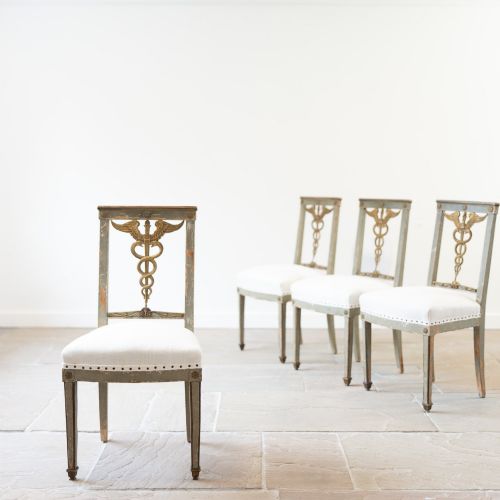
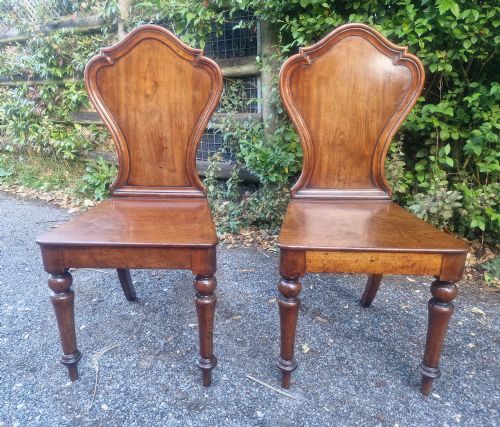
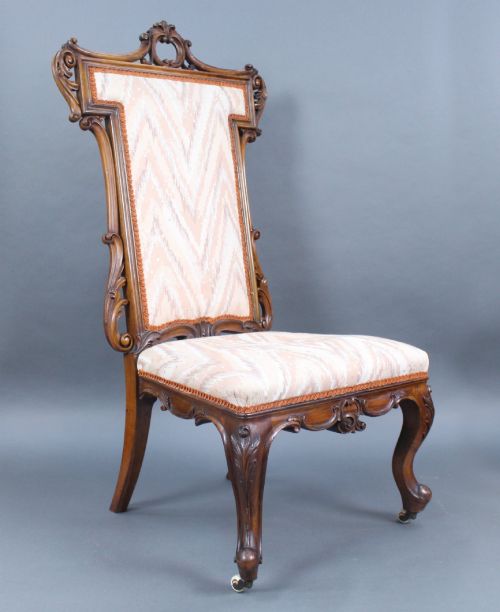
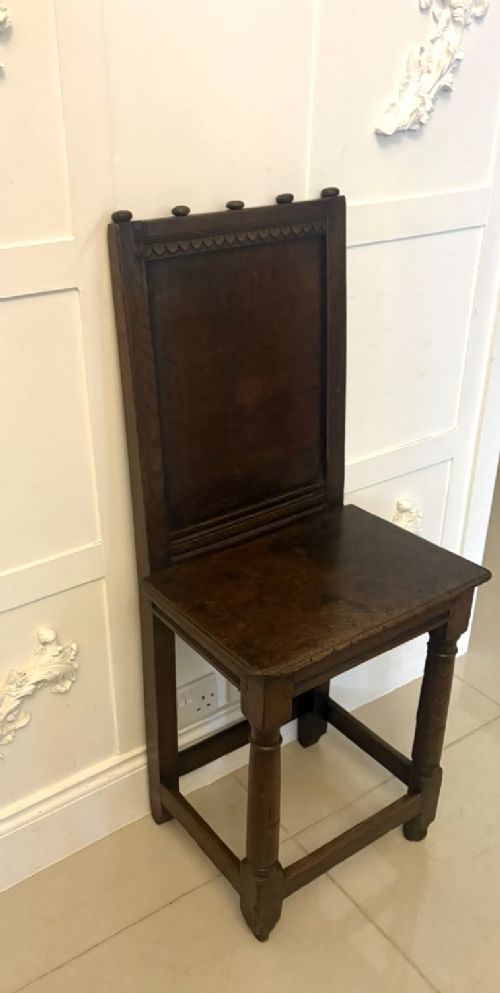
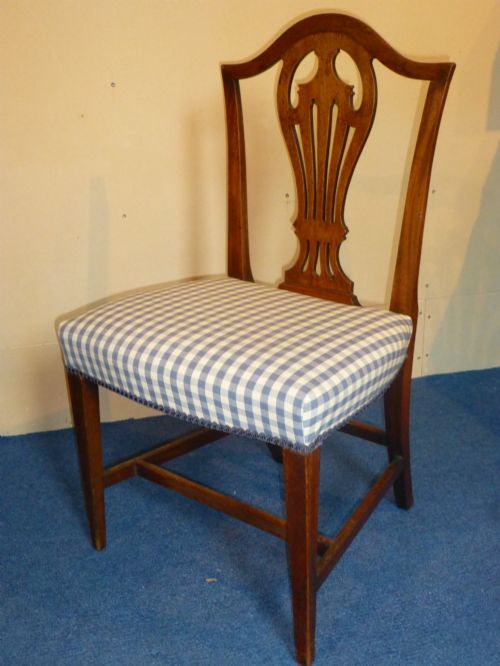

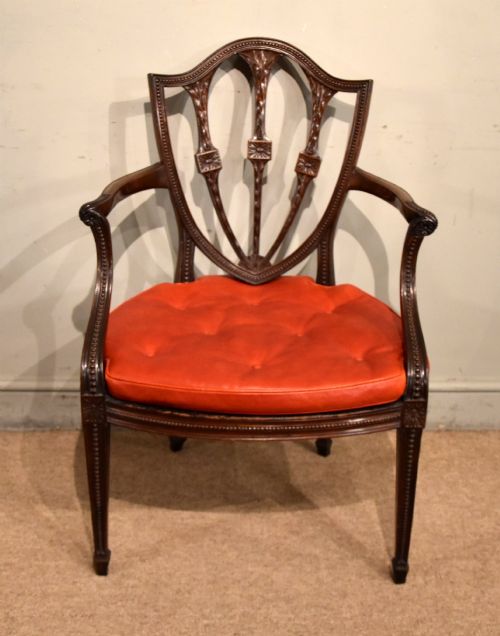
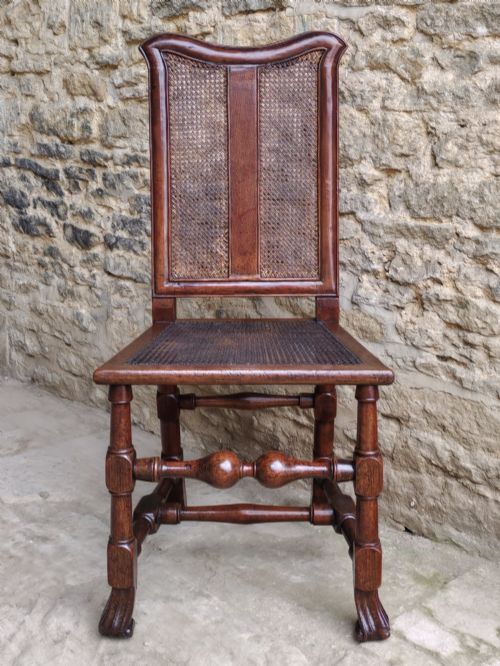
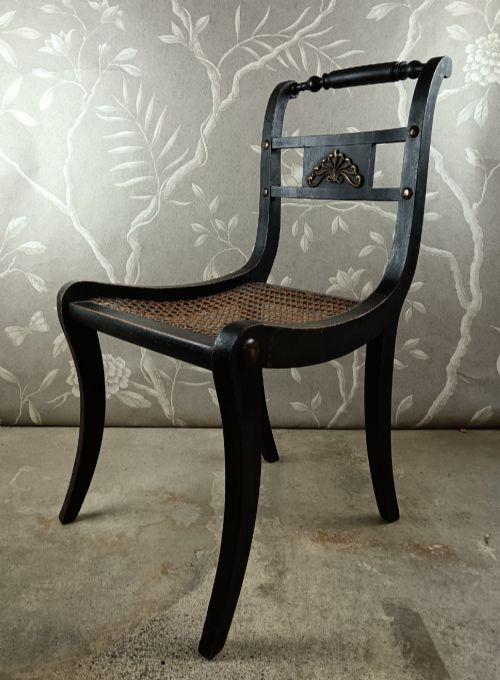
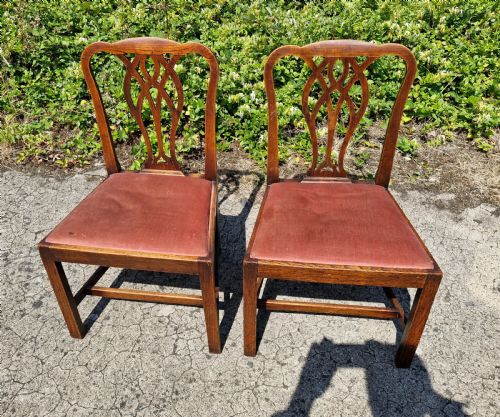
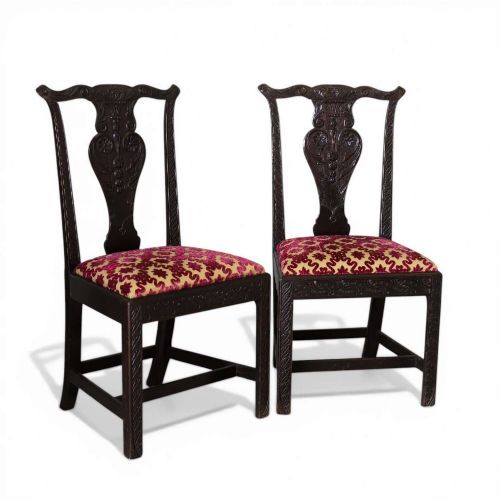
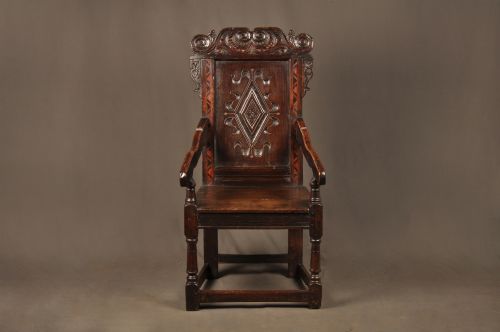
Period Hall Chair
A period hall chair stands ready to anchor an entryway, offering sturdy seating and historic presence in solid oak or mahogany.
Period Hall Chair
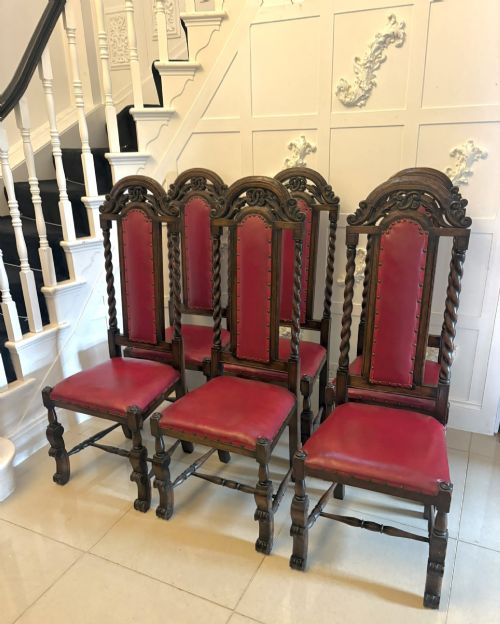
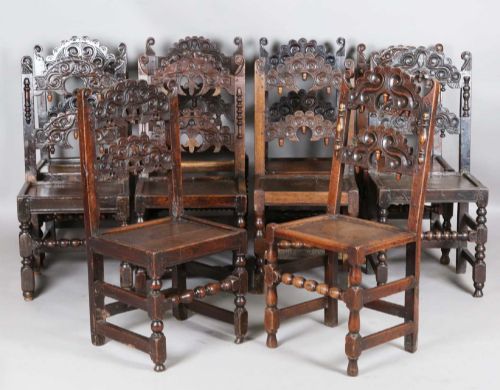
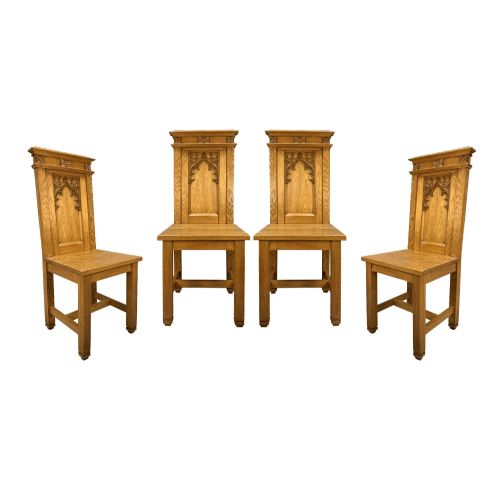
A period hall chair represents a centuries-old tradition of functional hallway seating, appearing across this selection in forms from seventeenth-century joined oak to nineteenth-century mahogany. Buyers seeking this phrase encounter sturdy side chairs and occasional pieces designed originally to stand against entrance walls.
The materials span traditional English timbers, featuring prominent numbers of oak and mahogany items alongside walnut, fruitwood, and elm specimens. Many pieces retain original or later insertions of cane, leather, fabric, and brass detailing.
The chronological spread reaches from seventeenth-century wainscot chairs through Georgian and Regency designs up to Victorian revivals. Early examples rely on joined construction, while later pieces adopt the sweeping lines of the Regency period.
Materials and Construction
Cabinetmakers utilised native and imported hardwoods, building frames predominantly in solid oak, mahogany, walnut, and elm. Joinery methods relied on traditional pegged mortise and tenon joints, creating rigid structures that survived centuries of daily use.
Seating surfaces involved timber panels, woven cane, or wooden frames prepared for textile upholstery. Carving, ebonising, and painted bamboo effects added decorative detail to the structural framework.
Period Hall Chair Retail Price Guide 2026
Typical asking prices for period hall chair among the pieces listed under this phrase on Sellingantiques today, from the lower quarter to the upper quarter. They describe what is for sale here now, not the wider market.
Recorded periods span from the seventeenth century through Georgian, Regency, and Victorian eras.
Defining Quality
Quality rests on the crispness of carved detail and the integrity of the timber framing. Pieces retaining original surface patination and uncompromised joinery stand apart from those with heavy later alterations.
The refinement of the turning, whether barley twist or sabre leg, distinguishes superior work from plainer vernacular production.
Charles Tozer
The Period Hall Chair Glossary
- Wainscot chair
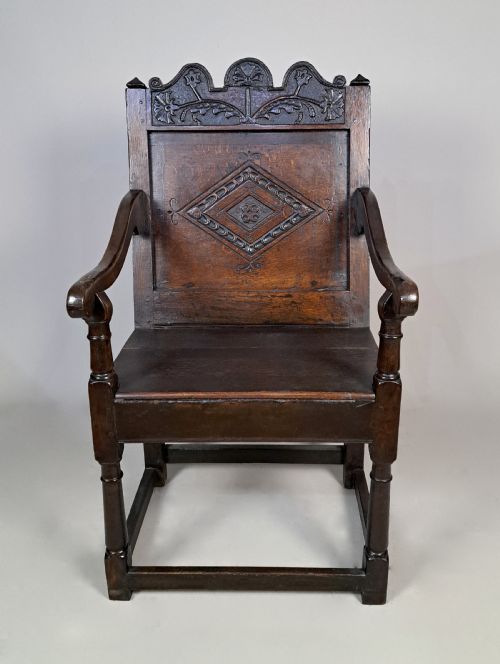
- A heavy wooden armchair of seventeenth-century origin, constructed with joined panels and a solid wooden seat. These pieces represent early domestic seating before upholstered chairs became common.
- Backstool
- An early term for a chair without arms, essentially a stool fitted with a back. Seventeenth-century examples often feature tall narrow backs and joined oak construction.
- Sabre leg
- A concave sweeping leg form popular during the Regency period, tapering towards the foot. This construction provides structural strength while lending a lighter silhouette to dining and hall seating.
- Cane seat
- A seating surface woven from rattan or split cane, offering flexible support. Eighteenth and nineteenth-century makers utilised this technique to lighten the visual weight of mahogany and beech chairs.
Period Hall Chair: Frequently Asked Questions
What is a period hall chair?
A period hall chair is a historic seating piece designed primarily for placement in an entrance hall or corridor. These chairs date from the seventeenth century onward, using timbers like oak and mahogany to project status.
They often feature rigid wooden seats or cane panels, built to endure transitional domestic spaces rather than long periods of relaxation.
How were hall chairs used?
Historically, hall chairs served as temporary seating for visitors waiting in an entranceway or for household staff attending the door. They stood against hallway walls as architectural furniture rather than daily lounging seats.
Today, buyers place them in narrow spaces, bedrooms, or hallways where a shallow footprint and historic character are required.
How do I identify seventeenth century oak chairs?
Seventeenth-century oak chairs rely on heavy joined construction with pegged mortise and tenon joints rather than metal screws. They frequently display wainscot panels, carved strapwork, and solid wooden seats.
The timber exhibits deep dark patination and dense grain developed over centuries of exposure.
Can I use an antique hall chair daily?
Most antique hall chairs are structurally sound for occasional sitting, provided the joints remain tight and stable. Solid timber construction makes them durable enough for modern hallways and entry points.
Care should be taken with fragile cane seats or delicate Regency painted finishes to preserve their historic condition.