





Period Gate Leg Table
A period gate leg table brings centuries of sturdy British dining tradition into a room through folding leaves and hinged gate supports.
Period Gate Leg Table
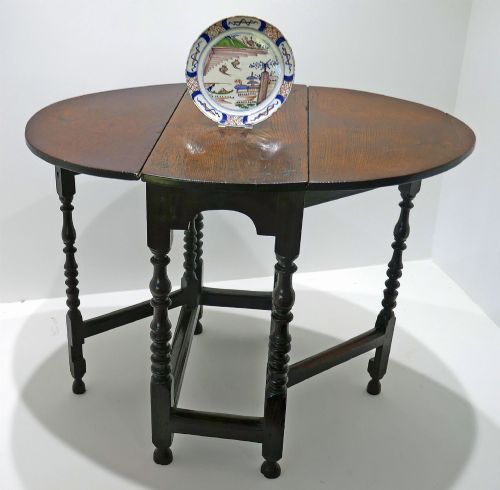
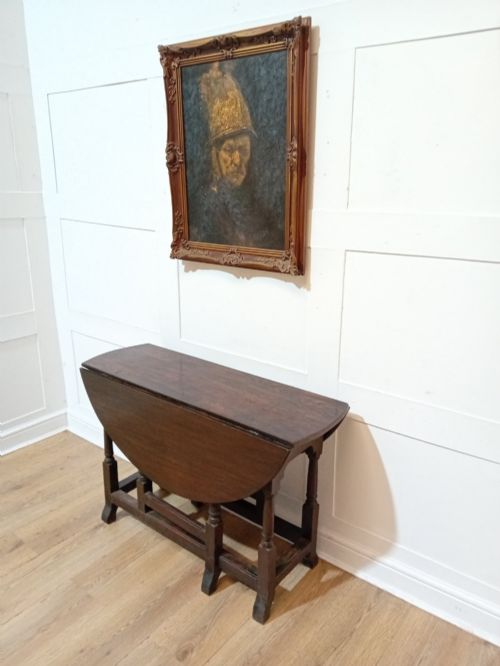
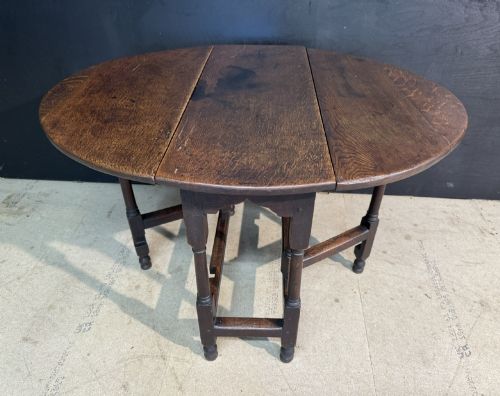
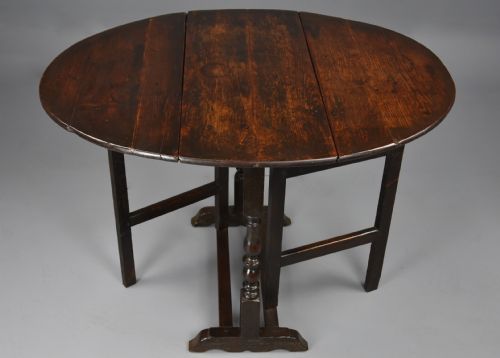
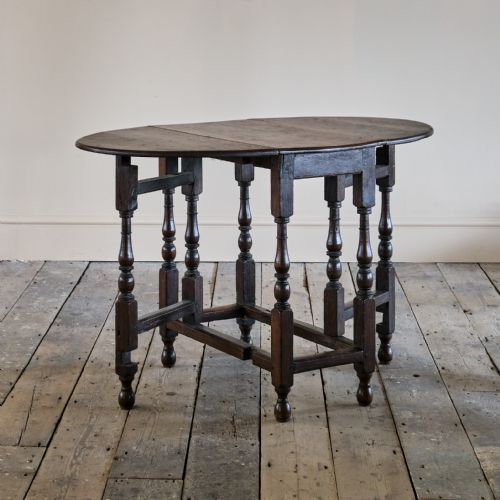
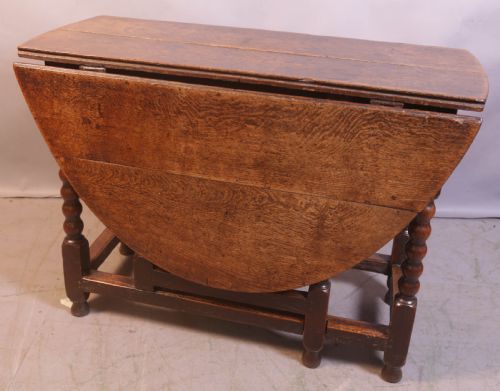
A period gate leg table provides a flexible surface through drop leaves held up by pivoting swing legs. These pieces emerge chiefly from the seventeenth and eighteenth centuries, with occasional nineteenth-century examples appearing alongside them.
The style ranges from plain rustic farmhouse and English country forms to Jacobean and seventeenth-century designs. Iron and brass fittings often secure the folding mechanism.
How they were made
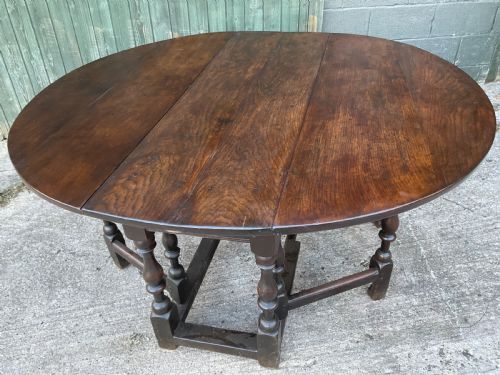
Solid oak provides the primary structural timber for these tables, chosen for its strength and durability. Craftsmen shaped the wood by hand to build stable frames capable of supporting heavy drop leaves.
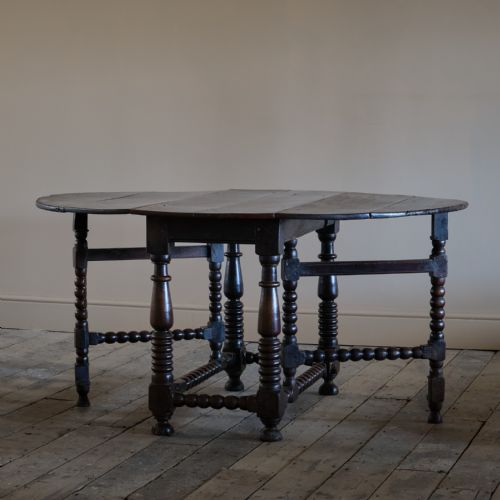
Bobbin turning appears on specific legs, introducing decorative shapes carved from the solid timber. Iron and brass hardware functions as the hinge mechanism that allows the gate legs to swing outward and support the leaves.
Period Gate Leg Table Retail Price Guide 2026
Typical asking prices for period gate leg table among the pieces listed under this phrase on Sellingantiques today, from the lower quarter to the upper quarter. They describe what is for sale here now, not the wider market.
Listings span three centuries, running from the seventeenth century through the eighteenth and nineteenth centuries in solid oak.
What varies in quality
The distinction between ordinary examples and finer pieces rests in the balance of proportions and the preservation of original surface character. Superior tables display balanced turnings and harmonious dimensions across both small and large formats.
The integrity of the timber and the smooth operation of the swinging gate mechanism determine the standing of each piece. Tables that retain their early surface patination and robust structural framing hold greater appeal.
The Period Gate Leg Table Glossary
- Gateleg table
- A table with hinged leaves supported by legs that swing outward like a gate. This design allows the surface area to expand or contract as needed.
- Bobbin turning
- A form of woodturning that creates a series of rounded spheres resembling bobbins along the length of a leg. This decorative technique appears frequently on seventeenth-century furniture.
- Drop leaf
- A hinged section of a table top that folds down when not in use. It rests upon the pivoting gate leg when raised.
- Patina
- The surface sheen and colour developed by wood over long periods of handling and age. It signals the natural maturation of the material.
- Jacobean
- A seventeenth-century design style associated with the reign of James I, characterised by solid construction and geometric turnings. It defines many early examples on this page.
Period Gate Leg Table: Frequently Asked Questions
How do I use a gate leg table?
These tables function as everyday dining surfaces or compact side tables when the leaves are folded down. Swinging the wooden gates outward supports the drop leaves to create a larger surface for gatherings.
Folding the leaves back down reduces the footprint of the piece, allowing it to sit against a wall in smaller rooms.
How are seventeenth-century tables identified?
Seventeenth-century examples are recognised through specific construction methods, timber characteristics, and turnings such as bobbin shapes. The presence of solid oak and early joining techniques points toward this period.
Later nineteenth-century interpretations often replicate these earlier forms while exhibiting different wear patterns and hardware.
Are these tables suitable for daily dining?
Solid oak construction gives these pieces the strength required for regular daily use in a modern dining room. The folding mechanism provides adjustable sizing to accommodate different numbers of people.
Placing the table away from direct heat sources helps protect the historical timber and the operating hinges.
What causes differences in table size?
Makers built these tables in varying dimensions to suit different domestic spaces, ranging from small occasional tables to large dining formats. Large formats required sturdier gate supports to hold extended oak leaves.
Small proportions were designed for tighter spaces or secondary rooms within historic houses.