



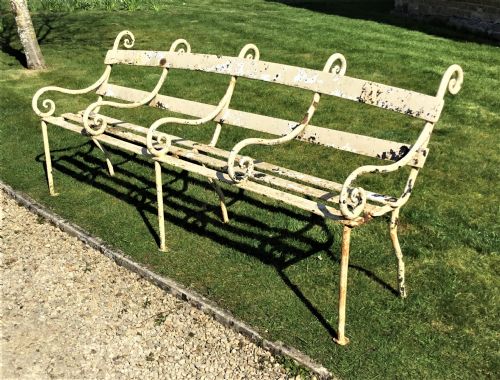


Period Garden Bench
A period garden bench brings enduring structure and outdoor comfort to grounds of any scale, combining robust metalwork with seasoned timber.
Period Garden Bench
A period garden bench combines sturdy metal framing with traditional woodwork, offering a durable seat designed for lawns, terraces, and parkland. When searching for a period garden bench, buyers encounter various historical iterations spanning the nineteenth century, including distinct Victorian and Regency designs.
The inventory on this page ranges from robust nineteenth-century cast-iron garden benches to lighter Regency wrought iron strapwork garden seats. Pieces often incorporate painted finishes, wood slats, and ornate cast elements suited for outdoor placement.
Forms vary from standard two-seater garden seats to longer four-seater benches and matching pairs. Certain examples reflect specific regional provenances, such as pieces originating from the Calcutta Polo Club.
How they were made
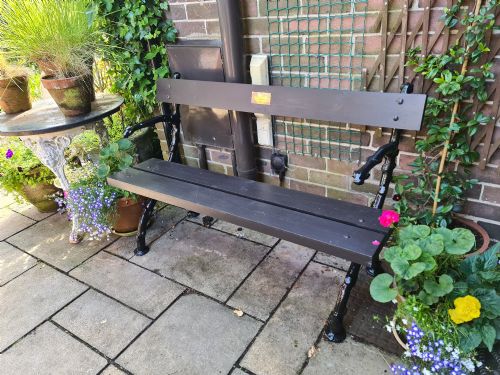
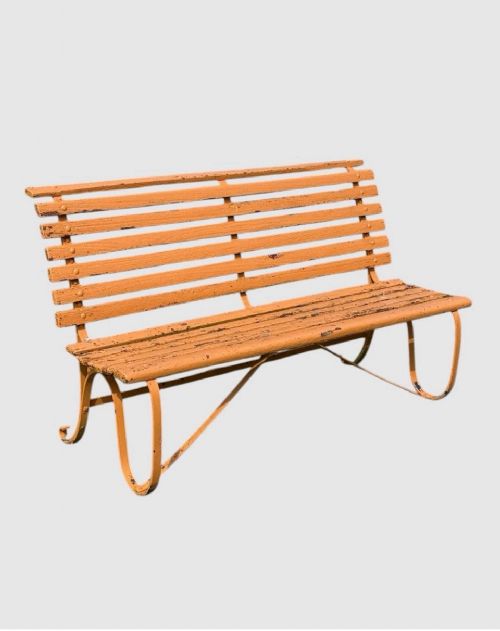
Maker workshops utilised heavy cast iron and malleable wrought iron to form the structural frames and decorative side supports. These metal components are frequently paired with timber or wood laths for the seat and backrest slats.
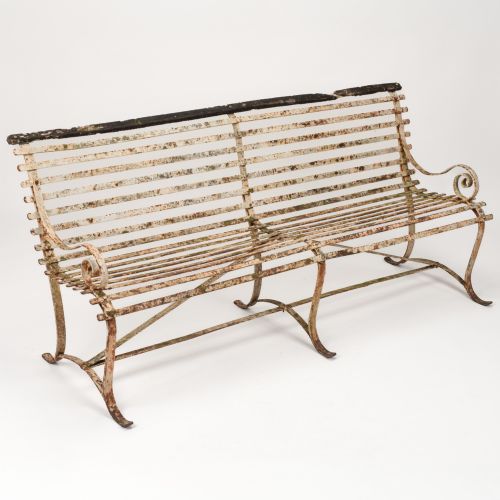
Surface treatments typically involved coats of protective paint applied over the metal and wood to withstand outdoor exposure. Strapwork techniques were employed in Regency pieces to create intricate geometric patterns along the backrests.
Period Garden Bench Retail Price Guide 2026
Typical asking prices for period garden bench among the pieces listed under this phrase on Sellingantiques today, from the lower quarter to the upper quarter. They describe what is for sale here now, not the wider market.
One listed set of four Victorian garden chairs once served the Calcutta Polo Club.
What varies in quality
The refinement of the casting and the intricacy of the strapwork dictate the visual success of the piece. More ambitious designs feature elaborate ornamentation on the cast iron ends and carefully proportioned timber slats.
Originality of components, particularly the survival of matching wood timber alongside the primary metal frames, elevates the standing of an example. The crispness of the iron detailing reveals the skill of the nineteenth-century foundry.
The Period Garden Bench Glossary
- Cast iron
- A strong, rigid iron-carbon alloy poured into moulds to create decorative bench ends and structural supports. This material allowed nineteenth-century foundries to produce highly ornate, repetitive patterns.
- Wrought iron
- Iron that is heated and hammered into shape by hand, resulting in tough, fibrous metal used for strapwork bench frames. It bends rather than snaps under pressure.
- Strapwork
- Flat bands of metal interwoven or arranged in geometric patterns across a bench back. This technique defines many Regency style garden seats.
- Timber
- Natural wood utilised for the seat slats and back panels secured within the metal framework. Period benches typically feature hardwoods or durable conifers suited to outdoor conditions.
Period Garden Bench: Frequently Asked Questions
How do I maintain an iron garden bench?
Keep the metal and timber protected from prolonged moisture by applying appropriate outdoor paint finishes and storing the bench undercover during harsh winter months.
Regularly check the fixings between the timber slats and the iron frame to ensure the structure remains stable.
Are these benches suitable for year-round outdoor use?
Yes, materials like cast iron, wrought iron, and treated timber are built to withstand external weather conditions over decades.
Positioning the bench on a paved patio or stone flags rather than directly on damp soil helps preserve the lower sections of the legs and feet.
How can I tell a Regency bench from a Victorian one?
Regency garden seats often feature linear wrought iron strapwork and lighter framing, reflecting classical restraint. Victorian examples tend to display heavier cast iron decoration, rustic motifs, and more substantial proportions.
Examining the complexity of the ironwork and the overall silhouette generally points toward the correct nineteenth-century decade.