






Period Furniture Unit
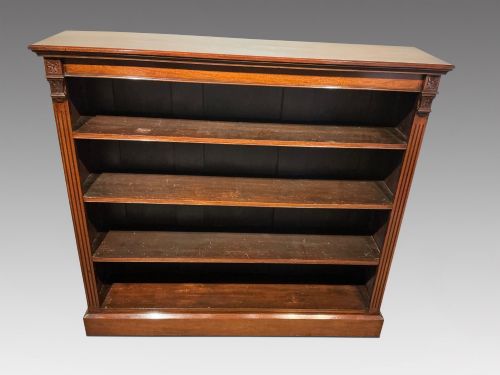
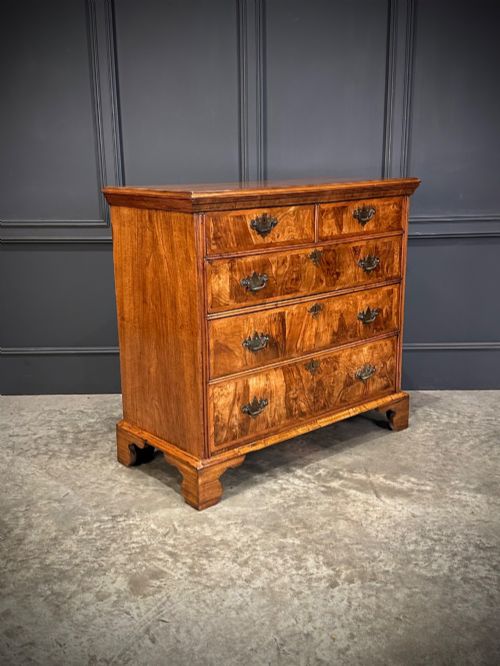
A period furniture unit offers practical storage through forms like chests of drawers, bookcases, and whatnots spanning multiple centuries.
Period Furniture Unit
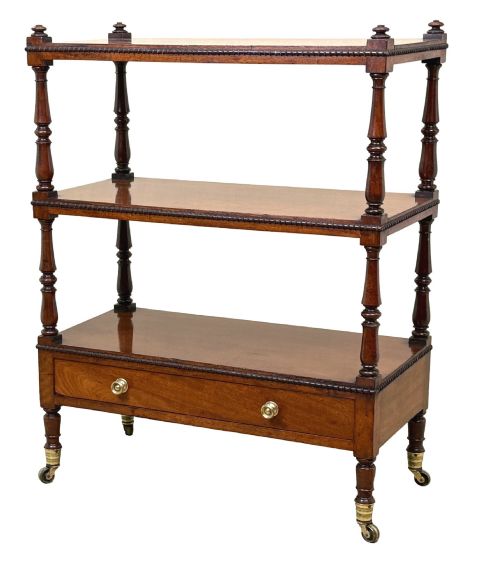
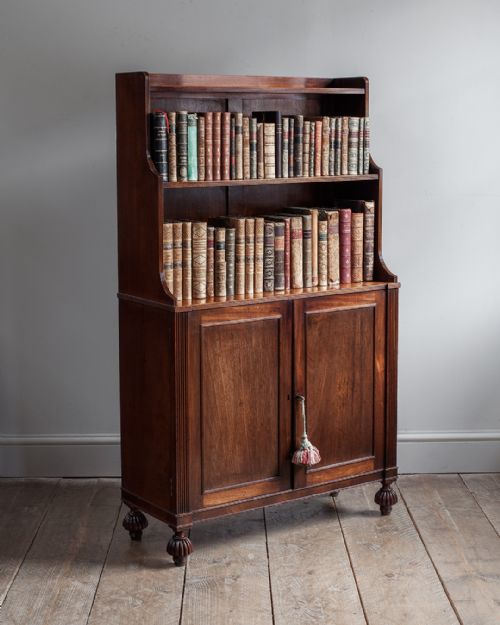
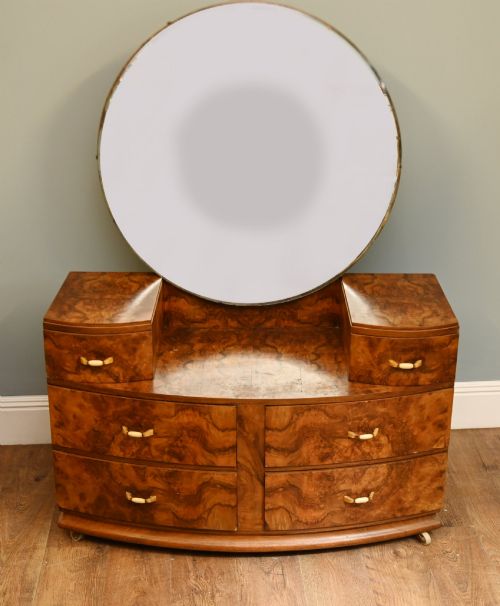
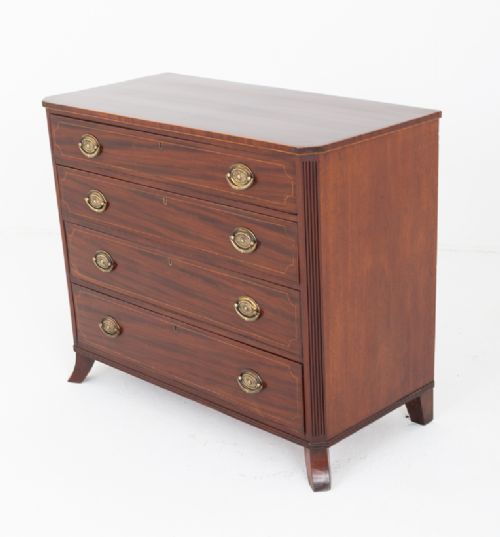
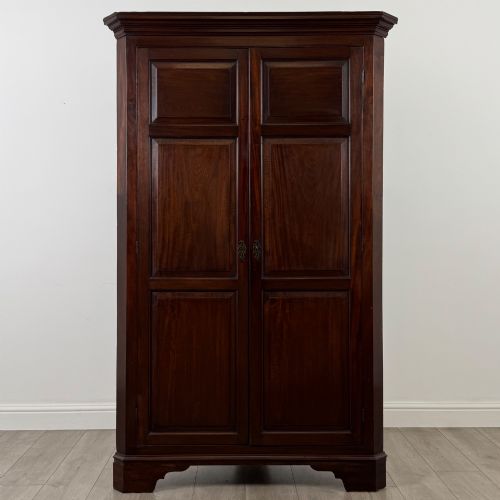
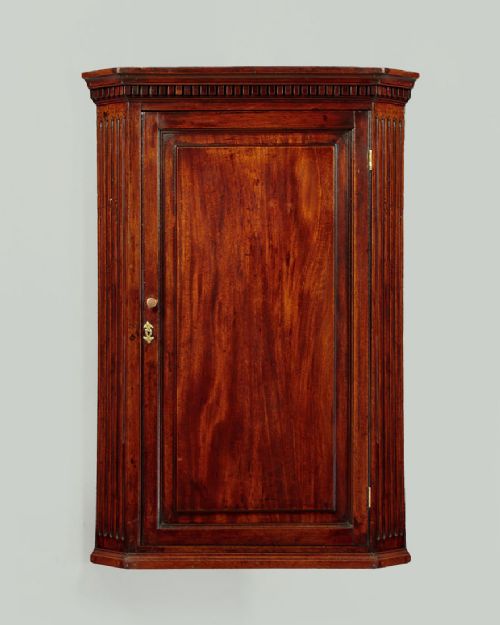
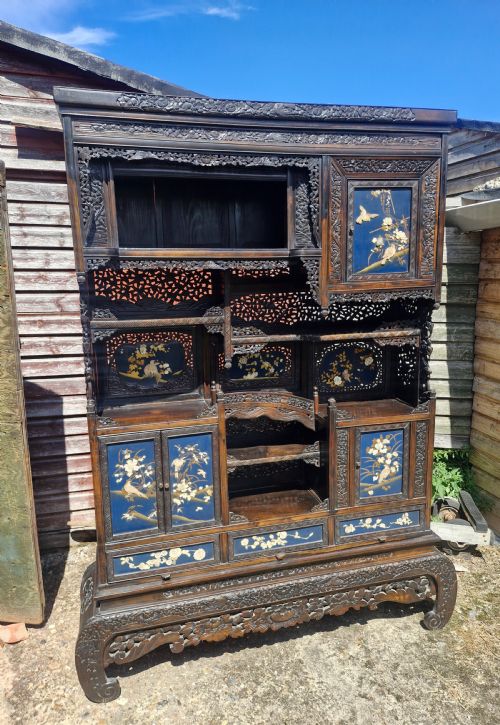
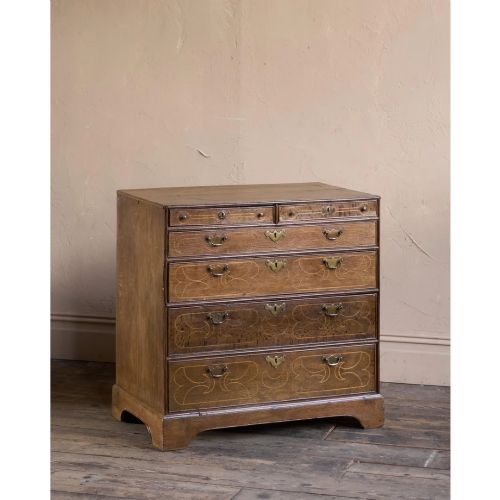
When buyers search for a period furniture unit, they encounter a diverse range of historic storage and display items. These pieces encompass everything from Georgian chests of drawers and George III corner cabinets to Regency whatnots and Japanese Shodana cabinets.
The selection on this page relies heavily on foundational forms designed for domestic utility and display. Oak and mahogany cupboards sit alongside multi-tiered étagères, offering storage solutions rooted in centuries of cabinet-making tradition.
Earlier examples include William and Mary oak pieces and provincial French cupboards, while later 19th-century items introduce bamboo cabinets and Aesthetic Period designs. Buyers find that these varied items share a common heritage of functional interior furnishing.
Materials and construction methods
Makers constructed these units using dense hardwoods such as mahogany, oak, walnut, rosewood, and yew wood. These materials provided the structural integrity necessary for large storage furniture like chests and bookcases.
Cabinet makers incorporated secondary decorative elements including brass hardware, glass panels, lacquer finishes, and intricate wood inlay. Wood surfaces were finished to highlight the natural grain patterns of the primary hardwood.
Construction techniques varied from traditional panelled joinery in 17th and 18th-century oak cupboards to the tiered shelving assemblies found in Regency whatnots and etageres.
Period Furniture Unit Retail Price Guide 2026
Typical asking prices for period furniture unit among the pieces listed under this phrase on Sellingantiques today, from the lower quarter to the upper quarter. They describe what is for sale here now, not the wider market.
A distressed mottled blue finish gives one 18th-century Georgian chest on stand an unexpected burst of colour.
Distinctions in construction and design
Quality in these units rests on the selection of timber and the precision of the joinery. Fine examples display carefully matched wood grains and solid secondary timbers inside drawers and backing boards.
Proportion and decorative restraint often separate standard utility items from exceptional pieces. Details such as serpentine drawer fronts, well-turned columns on whatnots, and original brass mountings indicate superior craftsmanship.
The integrity of the surface finish and the retention of original structural elements heavily influence the standing of any given piece within its period.
Liberty & Co.·Gillows
The Period Furniture Unit Glossary
- Whatnot
- An open-shelved piece of furniture designed for displaying ornaments, books, or small objects, popular during the Regency and Victorian periods.
- Étagère
- A piece of furniture consisting of a set of open shelves for holding ornaments, synonymous in many contexts with a whatnot.
- Shodana
- A traditional Japanese cabinet featuring asymmetrical shelving and compartment doors, often associated with the Meiji period.
- Serpentine
- A furniture front or edge shaped with a curving contour that convexly bulges in the centre and concavely recedes at the sides.
- Hanging shelves
- Wall-mounted shelving units constructed to hold books or small decorative objects without taking up floor space.
Period Furniture Unit: Frequently Asked Questions
What is a whatnot?
A whatnot is an open multi-tiered shelving unit designed for displaying small decorative objects or books.
These pieces gained significant popularity during the Regency period and offer vertical display space without heavy bulk.
How do I identify a Georgian chest of drawers?
Georgian chests typically feature dense mahogany or oak construction with hand-cut dovetail joints on the drawers.
They often rest on bracket feet or short legs and display restrained proportions with classic brass pull handles.
Where were corner cupboards placed?
Corner cupboards were built to fit neatly into the unused angles of historic rooms, maximising interior floor space.
Cabinet makers produced both hanging wall versions and taller floor-standing units for storing china or glassware.
What distinguishes a Shodana cabinet?
A Shodana is a Japanese cabinet characterised by its distinct asymmetrical arrangement of shelves and small sliding doors.
Originating in the Meiji period, these decorative pieces showcase intricate woodworking and traditional joinery techniques.