


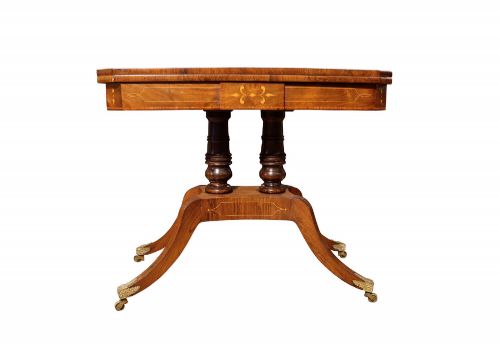


Period Furniture Tea Table
A period furniture tea table brings Georgian and Regency elegance into a room, offering foldover timber surfaces designed for social entertaining.
Period Furniture Tea Table
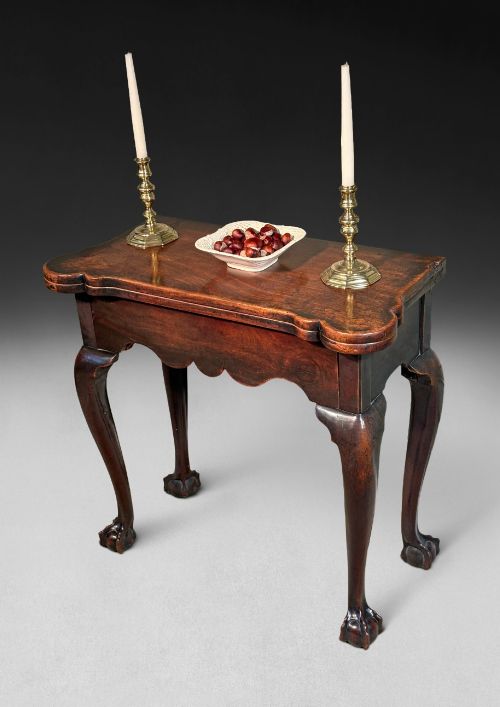
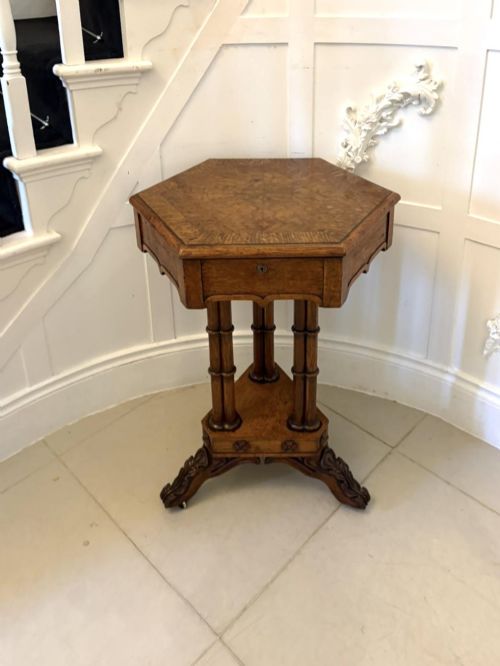
A period furniture tea table encompasses wooden foldover designs, card tables, and occasional stands originating from the eighteenth and nineteenth centuries. These items served a practical function in period homes during the preparation and consumption of tea, later adapting for social card games and general hospitality.
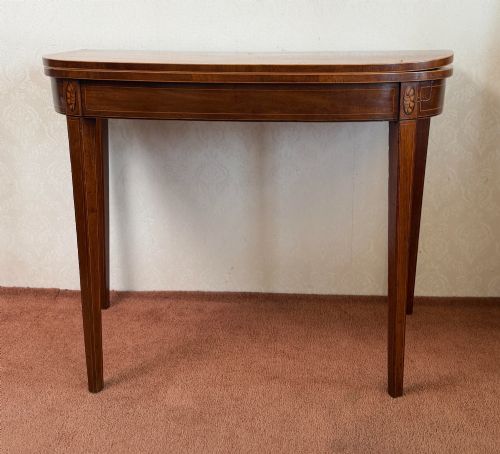
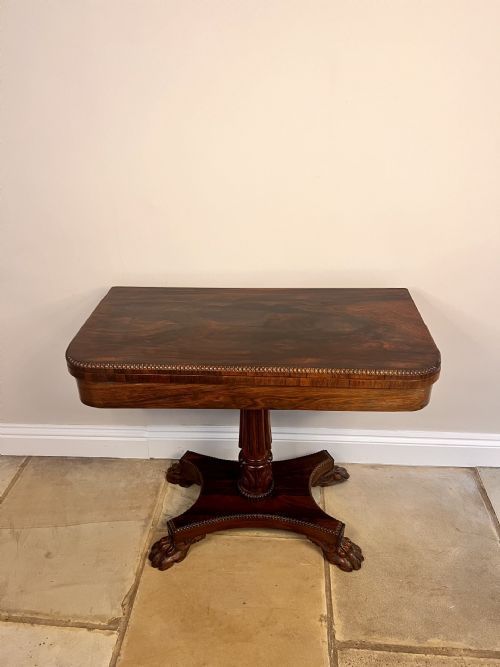
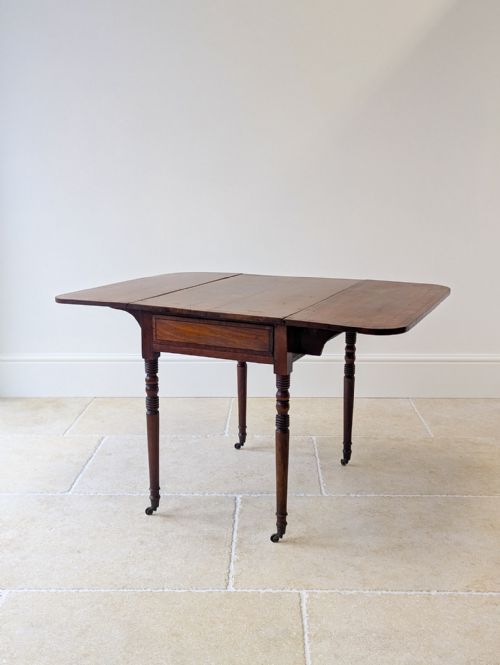
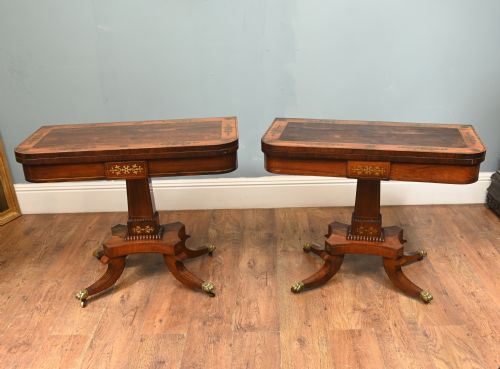
The versions most frequently encountered on this page date from the Regency and Georgian eras, constructed in forms such as demi-lune, rectangular, and foldover tops. Makers utilised diverse regional styles, ranging from Sheraton mahogany to rosewood with brass inlay and carved dolphin bases.
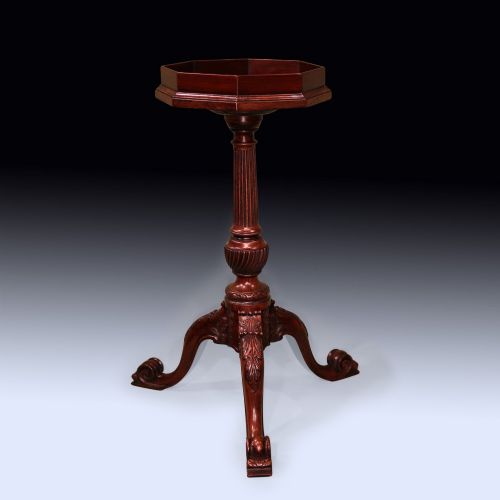
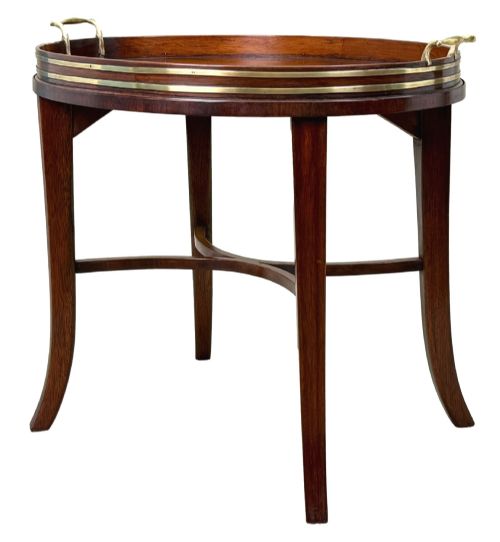
Alongside standard British formats, related items include kettlestands, urn stands, and butler trays on stands, reflecting the broader scope of domestic table furniture from these centuries. Each piece demonstrates the craftsmanship of periods spanning the eighteenth, nineteenth, and early twentieth centuries.
How they were made
Cabinetmakers constructed these tables primarily from solid timber and veneers, relying heavily on mahogany, rosewood, and oak for structural stability and visual grain patterns. Artisans selected figured woods, including pollard oak and Honduras mahogany, to accentuate the top surfaces of foldover tea and card tables.
Decorative embellishments involved specialist techniques such as brass stringing, brass sabots, castors, and satinwood inlay, particularly on Regency examples. Carved details appeared on bases and supports, including dolphin motifs, tripod legs, and pillar supports.
Period Furniture Tea Table Retail Price Guide 2026
Typical asking prices for period furniture tea table among the pieces listed under this phrase on Sellingantiques today, from the lower quarter to the upper quarter. They describe what is for sale here now, not the wider market.
Carved wooden dolphins occasionally support Regency tables, bringing maritime flair directly into the drawing room.
What varies in quality
The standard of timber selection and the complexity of the cabinetwork largely determine the distinction between basic utility pieces and high-end examples. Tables featuring highly figured rosewood, precise brass inlay, and retained original castors command greater attention from collectors.
Structural integrity, the crispness of carved elements on bases and legs, and the preservation of original polish influence the overall standing of an individual table. Workshop attribution, such as work linked to makers like Gillow, further elevates the status of specific Regency items.
Gillow·William Trotter
The Period Furniture Tea Table Glossary
- Foldover top
- A hinged table surface that opens to double its area, commonly found on tea and card tables of the Georgian and Regency periods. This mechanism concealed a well or provided a baize-lined surface for gaming when open.
- Demi-lune
- A half-moon shaped table design suited for placement against a wall, frequently produced during the eighteenth century. These pieces often served as tea or side tables in formal reception rooms.
- Tea-poy
- A small cabinet or box on a pillar and claw base designed for storing loose tea caddies, distinct from standard tea tables. They emerged during the Regency period in fine timbers like rosewood.
- Brass sabot
- A protective brass fitting applied to the foot of a table leg, common on Regency rosewood furniture. It prevented wear and tear on the timber base.
- Tripod table
- A small freestanding table supported by a central pillar resting on three legs, often with a tilt-top mechanism. They date widely from the eighteenth century onwards.
Period Furniture Tea Table: Frequently Asked Questions
How were tea tables used?
A period furniture tea table served as a movable surface for setting out porcelain tea services during social gatherings in the evening. Once the tea ritual concluded, the surface was often cleared or folded down.
In many homes, the same table transitioned into a gaming surface for cards, particularly when fitted with a foldover top revealing a baize-lined interior.
How do I identify a Regency tea table?
Regency examples typically feature dark exotic timbers such as rosewood, often enhanced with brass inlay, gilding, and brass castors. The supports frequently incorporate pillar columns, carved dolphin bases, or sabre legs.
Earlier Georgian pieces lean towards solid mahogany with simpler tripod bases or carved cabriole legs, while Sheraton designs utilise satinwood stringing and geometric symmetry.
What is a foldover top?
A foldover top consists of two hinged wooden flaps that open out to create a larger surface area supported by a swinging leg or pivoting frame. This design allowed the table to sit compactly against a wall when not in use.
When opened, the exposed interior often revealed polished wood suitable for tea or a lined well for storing playing cards.
Where should I place a period tea table?
These tables suit reception rooms, hallways, or drawing rooms as decorative occasional surfaces against a wall. A demi-lune or rectangular foldover table functions well beneath a mirror or painting.
Because many feature finished timber on all sides or decorative backs, certain examples can stand away from the wall to display figured rosewood or mahogany grain.