


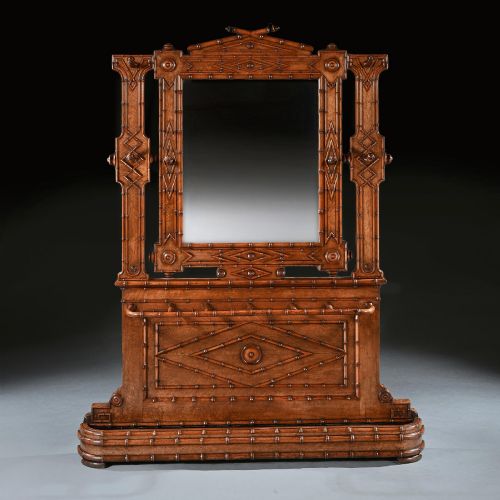
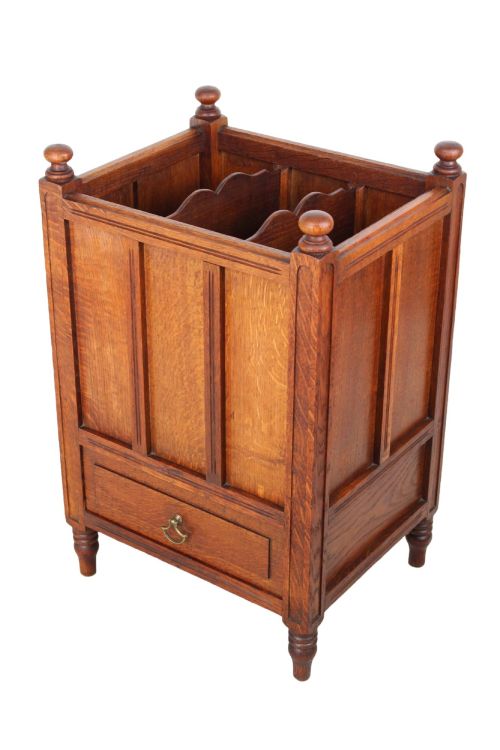
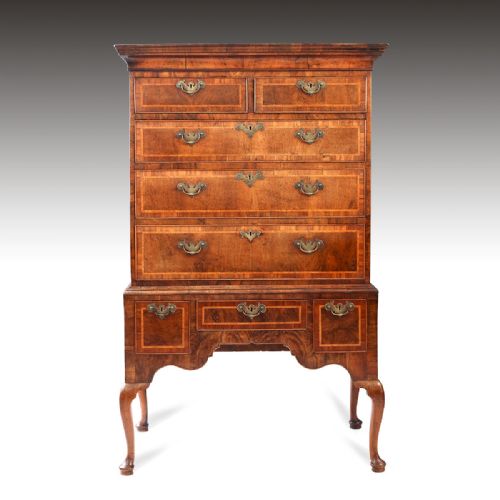
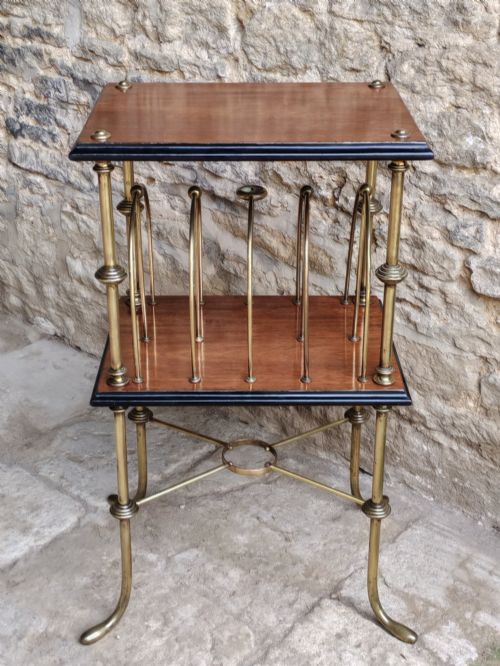
Period Furniture Stand
A period furniture stand serves as a functional anchor in a room, holding everything from books to umbrellas.
Period Furniture Stand
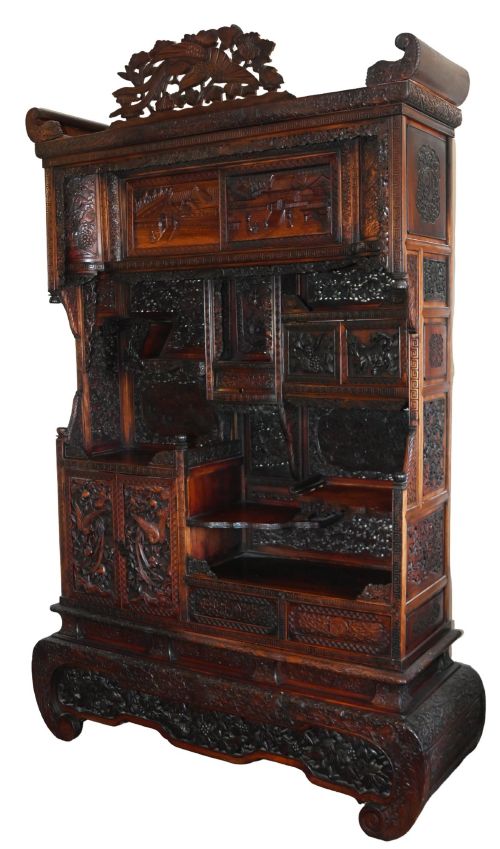
A period furniture stand encompasses a diverse group of items designed to support, display, or hold household objects across several centuries of craftsmanship.
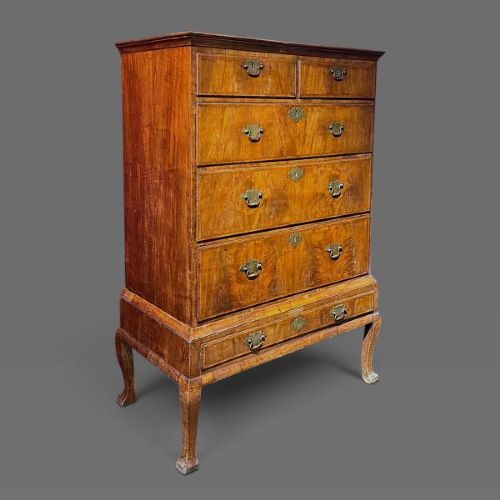
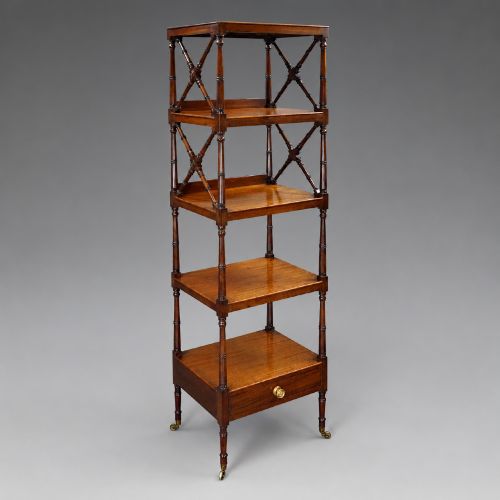
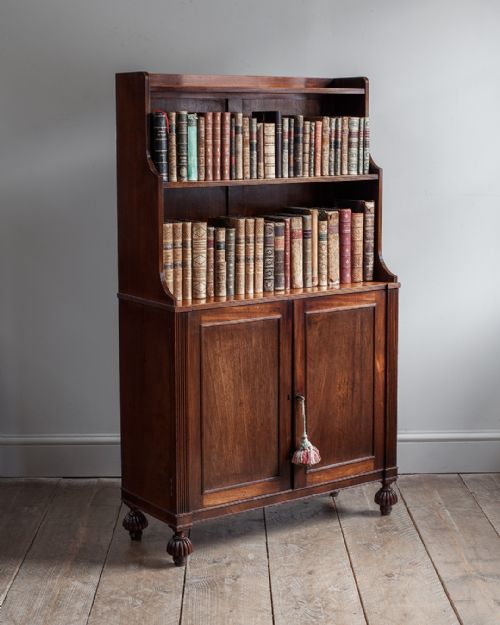
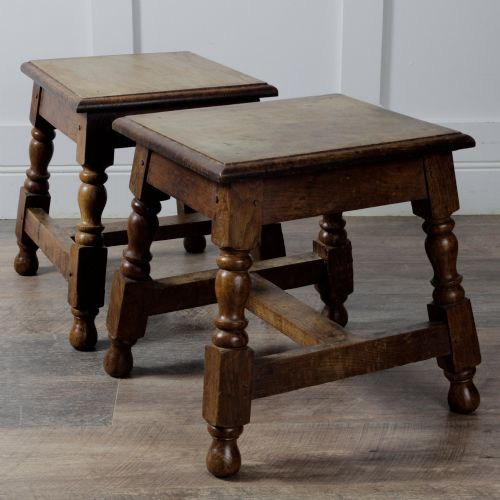
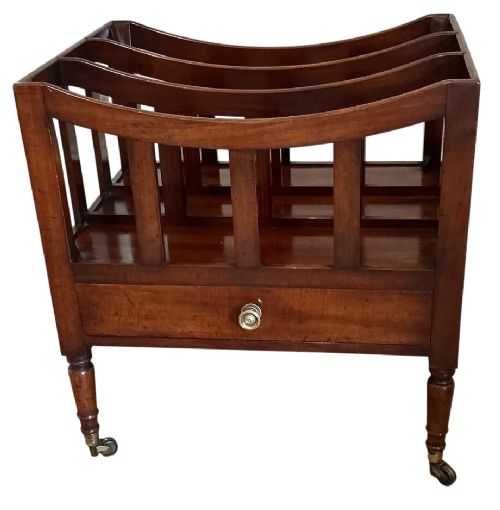
Buyers exploring this category frequently encounter pieces such as mahogany canterburys, oak chests on stand, and multi-tiered whatnots originating from Georgian, Regency, and Victorian eras.
The selection includes specialised items like cast iron stick stands and bamboo magazine racks, reflecting practical domestic needs of past households.
How they were made
Cabinetmakers utilised dense timbers such as mahogany, walnut, and oak, frequently applying veneers to achieve decorative surface patterns on chests and stands.
Metal elements including brass mounts, handles, and pewter inlay appear alongside structural cast iron on utilitarian items like umbrella holders and cellarettes.
Joinery methods varied from traditional jointed oak construction to intricate marquetry and hand-carved details found in George III and Aesthetic Period examples.
Listings feature items spanning the 17th, 18th, and 19th centuries, incorporating materials like brass, mahogany, oak, walnut, rosewood, and cast iron.
What varies in quality
The calibre of a piece rests on the precision of its timber selection, where figured walnut or well-grained mahogany elevates the visual weight of a stand.
Execution of detail defines the upper tier, seen in crisp carving, delicate brass-bound decoration, and well-preserved marquetry inlay rather than mechanical uniformity.
Proportion and structural integrity dictate longevity, separating utilitarian items of basic utility from refined examples designed for formal interiors.
Gillows
The Period Furniture Stand Glossary
- Canterbury
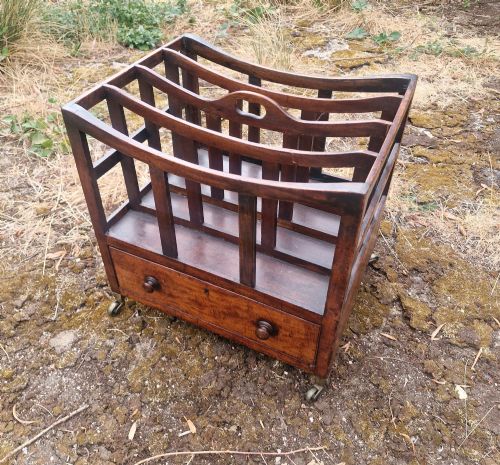
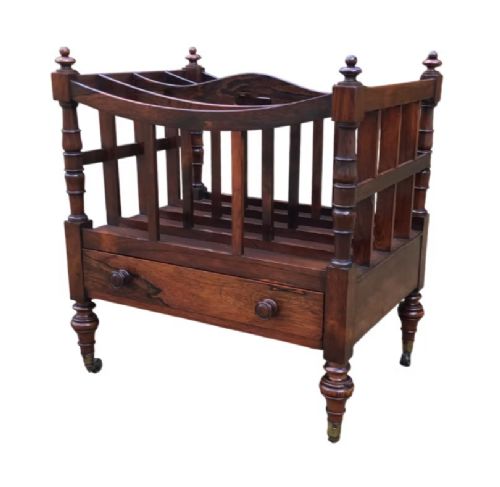
- A low, open-partitioned stand used for holding sheet music, books, or magazines, typically featuring slatted or spindled sides.
- Whatnot
- An open set of multi-tiered shelves designed for displaying ornaments, books, or small objects, popular in the Georgian and Victorian periods.
- Chest on stand
- A two-part storage unit comprising an upper cabinet or chest supported by a lower open frame with legs.
- Marquetry
- The art of applying decorative pieces of veneer to a structure to form intricate pictorial designs or geometric patterns.
- Cellarette
- A lockable container or stand designed to hold bottles of wine or spirits, often lined with lead or brass.
Period Furniture Stand: Frequently Asked Questions
What is a furniture stand?
A furniture stand is a category of accessory furniture designed to support specific items like books, umbrellas, or trays.
These pieces range from multi-tiered whatnots to specialised canterburys and hall stands used in entryways and reception rooms.
How do I date a stand?
Dating relies on identifying timber choices, construction techniques, and stylistic markers characteristic of periods like Georgian, Regency, or Victorian.
Cabinetmakers of different eras utilised distinct joinery methods, hardware styles, and decorative motifs that provide clear chronological clues.
Where were these stands used?
Stands were placed in various domestic spaces depending on their specific function, such as hallways for umbrellas or parlours for sheet music.
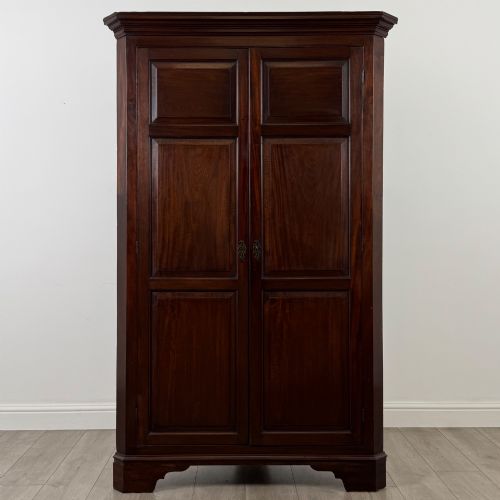
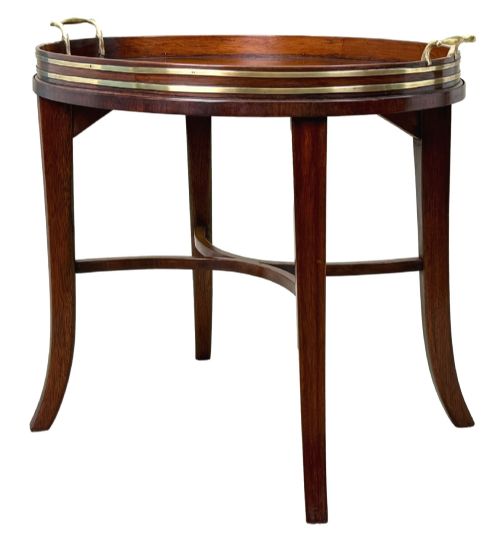
Items like dumb waiters and tray stands served dining rooms, while corner cabinets utilised awkward angles in sitting rooms.
Are these stands practical today?
Many period stands retain their original utility, serving as magazine holders, side tables, or display shelving in contemporary interiors.
Their compact scale and specialised designs allow them to fit easily into modern hallways, living rooms, and studies.