





Period Furniture Settee
These period furniture settee options span centuries of seating design, offering practical comfort and distinguished presence for any interior or garden.
Period Furniture Settee
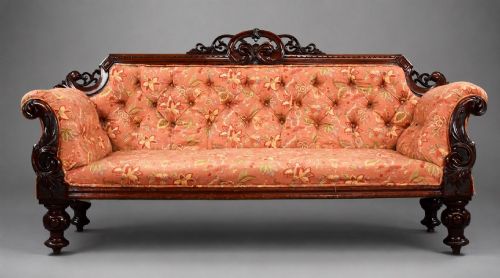
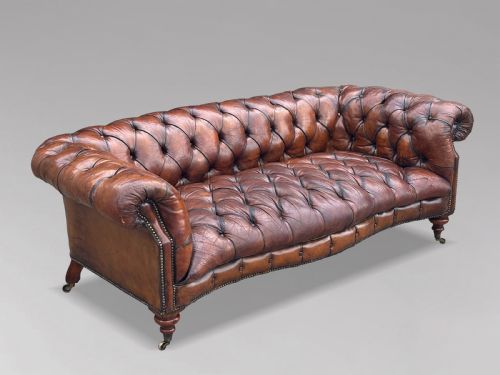
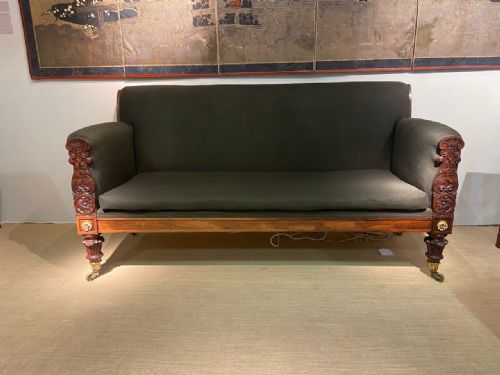
A period furniture settee encompasses multi-seater wooden, iron and upholstered seating ranging from eighteenth-century painted settle benches to nineteenth-century Victorian leather chesterfields and Regency sofas. These pieces serve as substantial architectural statements in a room, combining functional utility with historic craftsmanship.
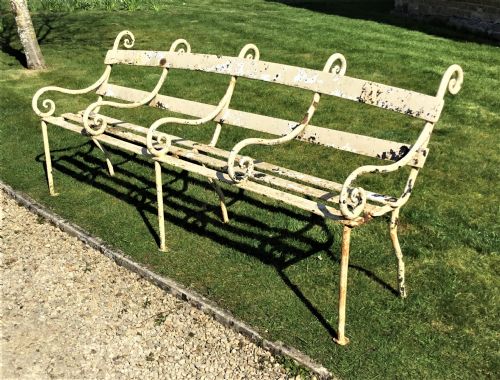
Buyers encountering this selection will most frequently meet nineteenth-century mahogany frames, Victorian upholstered forms, and cast or wrought iron garden benches. Each variation reflects the prevailing aesthetic movements of its origin, from French Empire to William IV and Edwardian salon suites.
Materials and construction
Upholstery techniques incorporate traditional fabric and leather coverings, frequently paired with buttoning and spring systems in later nineteenth-century Chesterfield designs. Joinery methods reflect the specific period, employing hand-carved mahogany and structural framing to ensure lasting stability.
Period Furniture Settee Retail Price Guide 2026
Typical asking prices for period furniture settee among the pieces listed under this phrase on Sellingantiques today, from the lower quarter to the upper quarter. They describe what is for sale here now, not the wider market.
Listings feature mahogany, iron, and leather across Victorian, Regency, and eighteenth-century periods.
Factors of quality
Quality in a period furniture settee is determined by the crispness of timber carving, the integrity of the original wood grain, and the authenticity of the structural framework. Pieces featuring substantial scale, bold design, and well-preserved surface patination command greater attention.
The sophistication of stylistic detailing, such as French Empire influence or Rococo Revival carving, separates standard examples from exceptional ones. Additionally, the survival of original upholstery materials, painted surfaces, or specific hardware contributes significantly to the integrity of the piece.
Jas / James Shoolbred
The Period Furniture Settee Glossary
- Chesterfield
- A distinctively upholstered sofa featuring deep buttoning and rolled arms of equal height. This style gained prominence during the Victorian period.
- Settle
- A wooden bench with a high back, solid arms, and often enclosed storage beneath the seat. Early examples appear in eighteenth-century contexts.
- Ebonised
- Wood treated with a chemical finish or stain to imitate ebony. This dark surface finish frequently characterises Aesthetic Movement pieces.
- Directoire
- A transitional French design style bridging Louis XVI and Empire periods. It utilises clean neoclassical lines and restrained classical ornamentation.
- Salon suite
- A matched set of seating comprising a sofa alongside coordinating chairs. These suites were designed for formal reception rooms.
Period Furniture Settee: Frequently Asked Questions
How do I identify a Regency settee?
Regency settees typically exhibit classical revival motifs, drawing inspiration from ancient Roman, Greek, and French Empire styles. Look for sabre legs, carved mahogany frames, and clean architectural lines characteristic of the early nineteenth century.
Hardware and upholstery methods also offer clues, though many pieces have been recovered over time to suit later domestic interiors.
Where should I place a garden settee?
Cast and wrought iron garden settees suit sheltered outdoor terraces, lawns, or conservatory spaces. Their heavy metal construction withstands exterior environments while providing a decorative focal point among planting.
Consider protecting older iron surfaces from persistent moisture to preserve the original paint and metal condition.
What is a salon suite?
A salon suite consists of a matching sofa and accompanying chairs designed to furnish a formal drawing room or parlour. These groupings ensure stylistic uniformity across the primary seating of a reception space.
They often feature coordinated upholstery fabrics and matching carved wooden frames reflecting Edwardian or Victorian tastes.
How do I care for leather chesterfields?
Leather chesterfields require regular dusting and occasional conditioning with appropriate leather balms to maintain flexibility. Avoid placing antique leather near direct heat sources or strong sunlight to prevent drying and cracking.
Preserving the natural patination safeguards the historical character of nineteenth-century hide.