






Period Furniture Bench
Period furniture bench examples span centuries of oak, mahogany, and iron work, offering enduring utility for indoor halls and outdoor gardens alike.
Period Furniture Bench
When you search for period furniture bench designs, you encounter a diverse selection ranging from robust seventeenth-century oak settles to refined nineteenth-century mahogany window seats and outdoor iron garden benches.
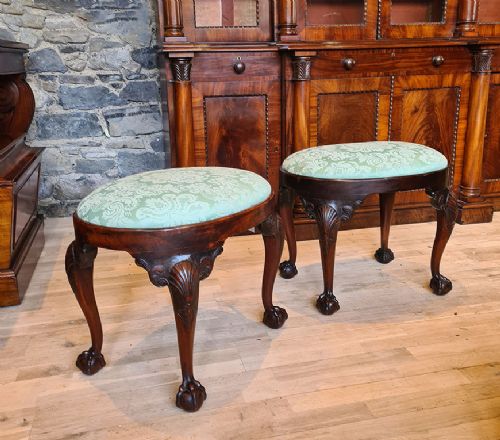
The domestic forms include high-backed wooden settles intended to block draughts, alongside upholstered stools and sofas originating from Georgian and Regency parlours.
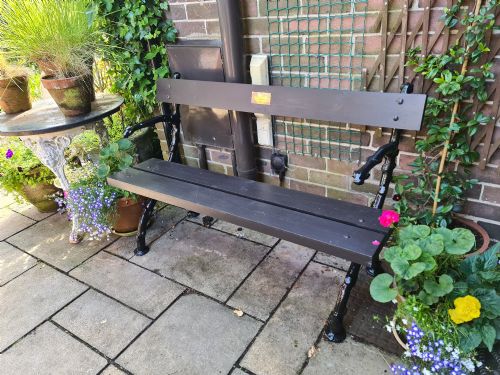
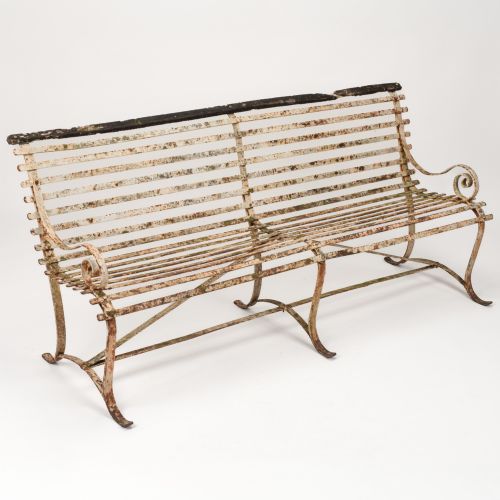
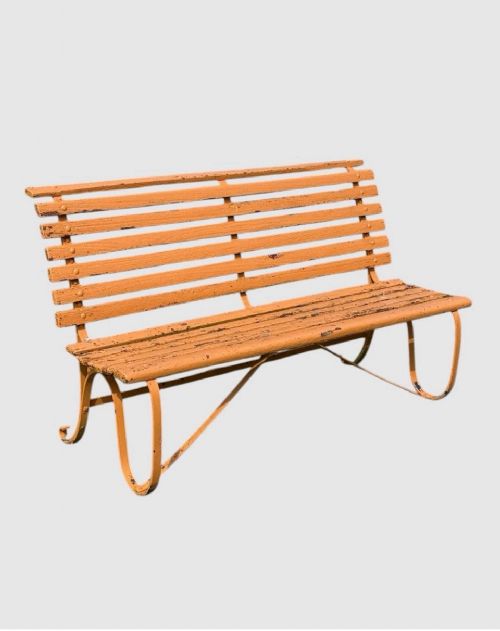
Outdoor iterations rely heavily on cast iron, wrought iron strapwork, and timber slats configured for garden seats, park benches, and patio seating.
How they were made
Makers utilised solid timbers such as oak, mahogany, elm, and fruitwood, often employing traditional joinery like panelling and joint construction for indoor seating.
Metal garden versions combine sturdy cast iron frames with wrought iron strapwork or timber laths, while painted and ebonised surface finishes appear across various periods.
Period Furniture Bench Retail Price Guide 2026
Typical asking prices for period furniture bench among the pieces listed under this phrase on Sellingantiques today, from the lower quarter to the upper quarter. They describe what is for sale here now, not the wider market.
What varies in quality
Distinctions in quality rest upon the crispness of carved wooden details, the structural integrity of period joinery, and the complexity of ironwork patterns.
Original surface patination and the survival of early paint or polish separate standard examples from finer pieces carrying documented maker attributions.
I.M. Gillows of Lancaster
The Period Furniture Bench Glossary
- Settle
- A wooden bench featuring a high solid back, solid arms, and often a box base, designed to keep out cold draughts in early homes.
- Strapwork
- Flat bands of metal arranged in geometric or interlaced scrolls, frequently seen on Regency and Victorian iron garden benches.
- Joint stool
- A low wooden stool constructed with mortise and tenon joints, common in seventeenth-century domestic interiors.
- Window seat
- An elongated indoor bench or stool scaled specifically to fit the recess of a domestic window, typical of the Regency period.
- Panelling
- Fitted sections of woodwork, often used to form the sturdy backs of seventeenth and eighteenth-century settles.
Period Furniture Bench: Frequently Asked Questions
What is a wooden settle bench?
A settle is a traditional high-backed wooden seat designed to keep out cold draughts in early domestic rooms. These pieces often feature panelled backs and box bases for storage.
They were placed near hearths in seventeenth and eighteenth-century homes to provide sheltered seating for household members.
How do I care for iron garden benches?
Cast and wrought iron garden seats require protection from prolonged moisture to prevent rust formation. Regular inspection of painted surfaces helps preserve the metal.
During harsh winter months, storing these benches undercover ensures the timber laths and iron frames remain stable.
Where were window seats used?
Window seats were placed within deep window recesses in Georgian and Regency drawing rooms and halls. They provided comfortable seating tailored to the architecture of large homes.
These indoor benches frequently incorporated upholstered tops or carved mahogany frames matching other formal furniture.
How do I date an oak settle?
Dating relies on construction methods, timber type, and panel design. Seventeenth-century examples typically feature pegged joints and hand-carved panels.
Later eighteenth-century versions display simpler joinery and different proportions while retaining the traditional high-backed form.