

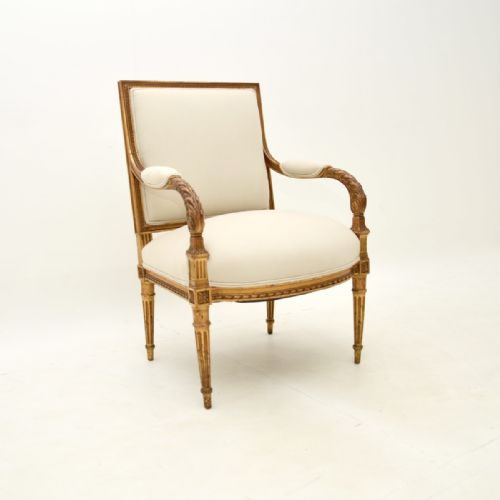
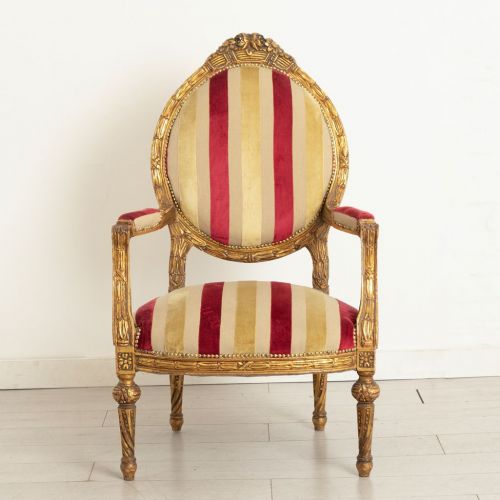

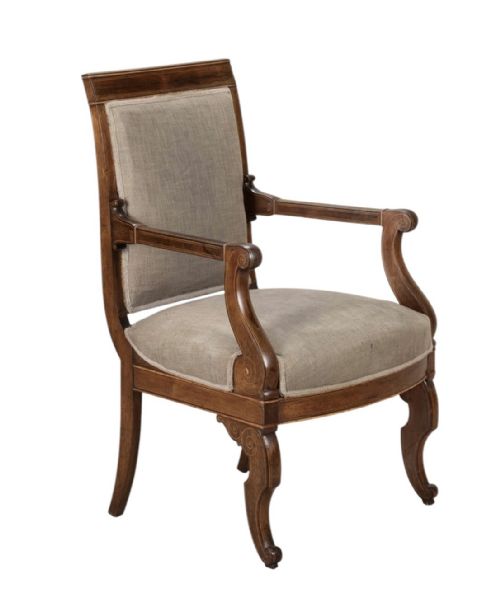


Period French Seat
A period french seat brings continental polish to a room, offering carved frames and upholstered comfort from centuries past.
Period French Seat
When you search for a period french seat, you encounter a variety of seating forms spanning armchairs, sofas, settees, salon chairs, and dining chairs. These pieces originate primarily from the nineteenth and early twentieth centuries, drawing on historical French design vocabularies.
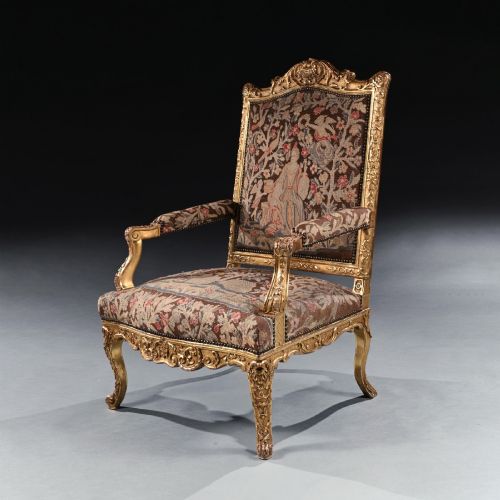
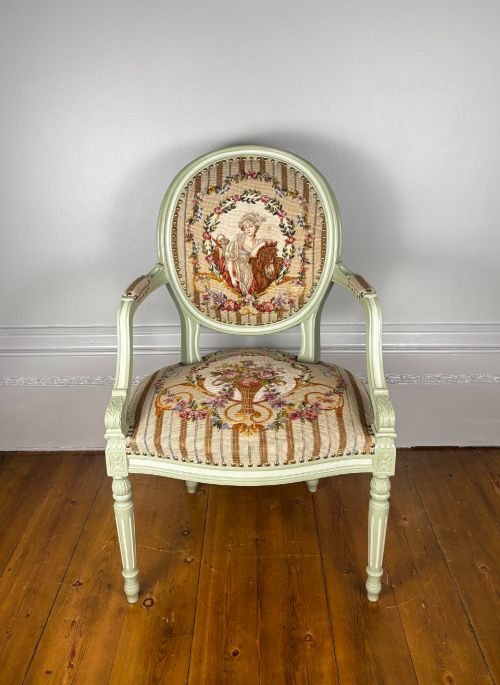
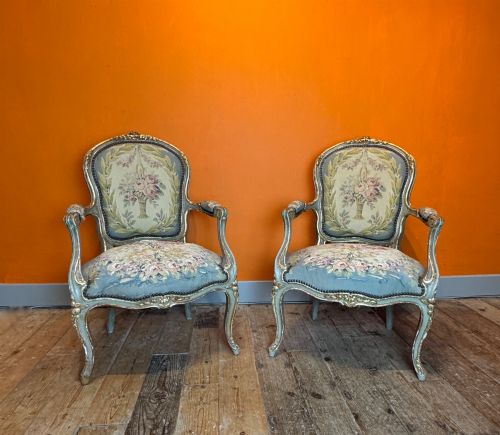
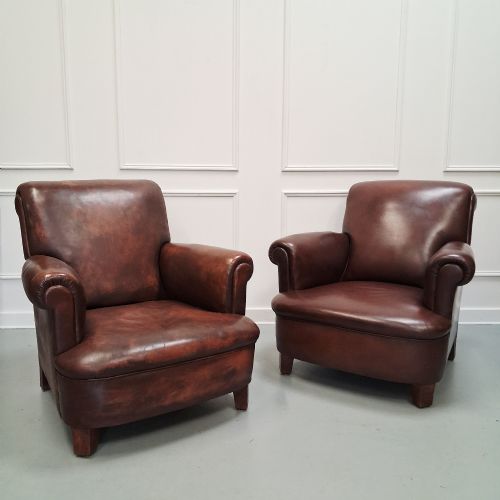
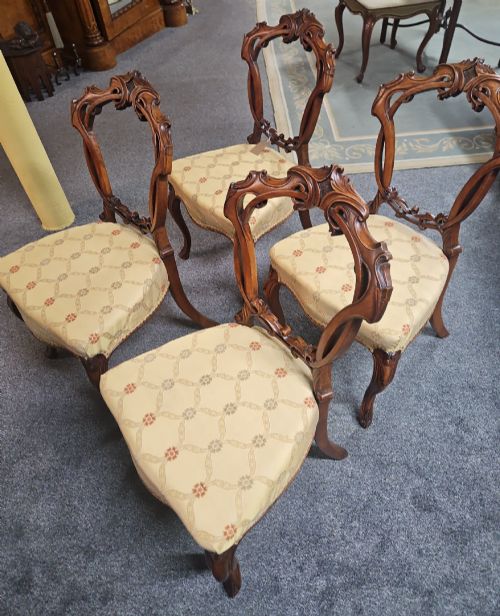
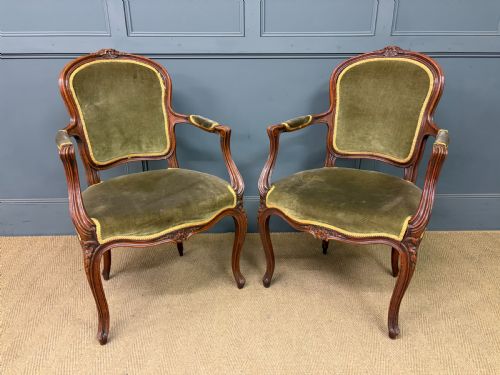
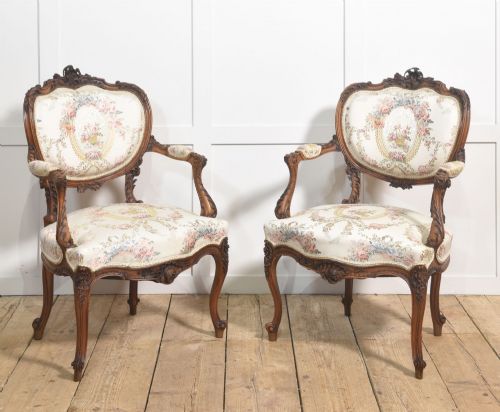
The selections on this page showcase distinct stylistic revivals and vernacular forms, including Louis XVI, Louis XV, Renaissance, and Art Deco interpretations. Buyers often find matching pairs of armchairs alongside individual settees and multi-piece salon suites.
Frames take multiple shapes such as the enclosed sides of the bergere or the open arms of the fauteuil, constructed to serve both formal reception rooms and intimate sitting spaces.
Materials and Construction
Wood selection defines the structural integrity of these seats, with cabinetmakers utilising walnut, mahogany, fruitwood, rosewood, and giltwood. Carved details often receive parcel gilding or painted finishes to highlight floral motifs and classical scrollwork.
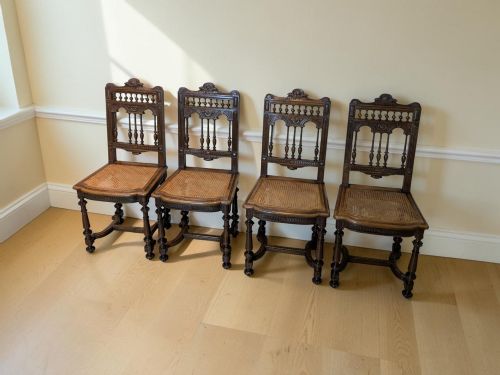
Upholstery relies on traditional textiles like tapestry panels, needlepoint, velvet, and leather, secured over sprung or webbed foundations. Caning also appears on lighter frames, providing durable seating surfaces for warmer interiors.
Period French Seat Retail Price Guide 2026
Typical asking prices for period french seat among the pieces listed under this phrase on Sellingantiques today, from the lower quarter to the upper quarter. They describe what is for sale here now, not the wider market.
Listings feature walnut, mahogany, rosewood, and giltwood frames upholstered in antique tapestry, leather, velvet, and linen.
Assessing Quality and Execution
The refinement of the woodcarving separates standard production from superior examples, visible in the crispness of acanthus leaves, fluted legs, and moulded rails. Hand-carved solid timbers display depth and precision that moulded or cast ornaments cannot replicate.
The integrity of the frame construction and the fidelity of the period style dictate the standing of a piece within its category. Matching pairs and complete suites demonstrate higher original investment than isolated chairs.
The Period French Seat Glossary
- Fauteuil
- An open-framed upholstered armchair with wooden armrests, typical of French domestic seating from the seventeenth century onwards.
- Bergere
- An enclosed upholstered armchair featuring solid upholstered sides fitted with a tight or loose seat cushion.
- Giltwood
- Timber coated with a thin layer of gold leaf or powder over a prepared gesso ground.
- Canapé
- A decorative settee or sofa featuring an exposed wooden frame and upholstered back and seat.
- Tapestry
- A heavy hand-woven or jacquard textile depicting pictorial scenes or botanical patterns, frequently utilised for period upholstery.
Period French Seat: Frequently Asked Questions
What is a fauteuil?
A fauteuil is an open-armed wooden armchair designed for formal reception rooms, featuring exposed carved woodwork around the back and armrests.
These chairs combine decorative presence with comfortable padded seating, often found as matching pairs on this page.
How do I identify Louis XVI style?
Louis XVI style seating is characterised by straight fluted legs, neoclassical geometric symmetry, and oval or rectangular medallion backs.
Carvings often incorporate ribbons, beading, and classical architectural motifs rather than the asymmetrical curves of the earlier Louis XV period.
Where should I place a settee?
A period settee or two-seat sofa works well in a drawing room, bedroom, or large hallway where full-sized sofas might overwhelm the floor plan.
Their decorative carved frames allow them to function as sculptural elements when floated away from walls.
Are these chairs comfortable for daily use?
Many period French seats offer supportive sprung or webbed foundations designed for relaxed sitting during social gatherings.
Upholstery comfort varies depending on the original padding materials and whether the interior webbing has been historically restored.