
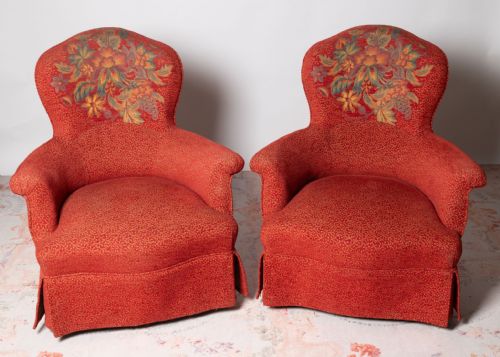


Period Easy Chair
A period easy chair provides deep comfort with historic character, taking many forms from Georgian wingbacks to Art Deco club chairs.
Period Easy Chair
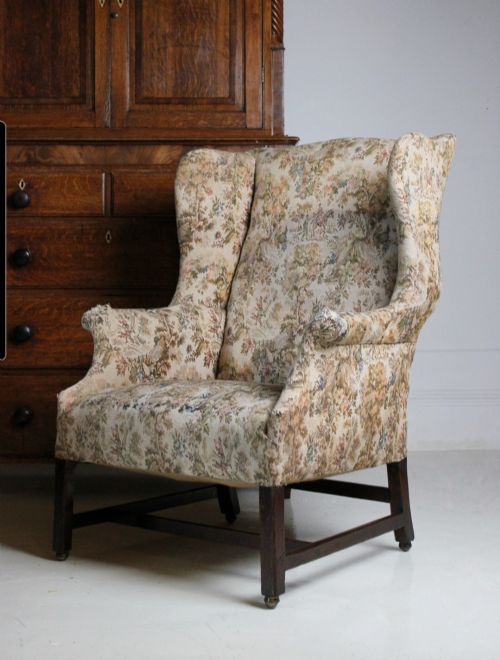
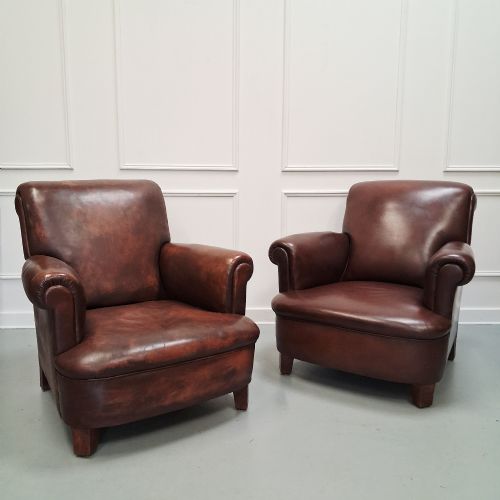
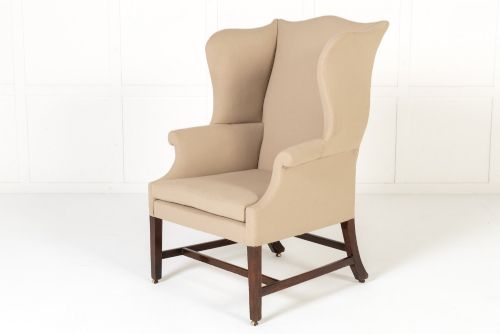
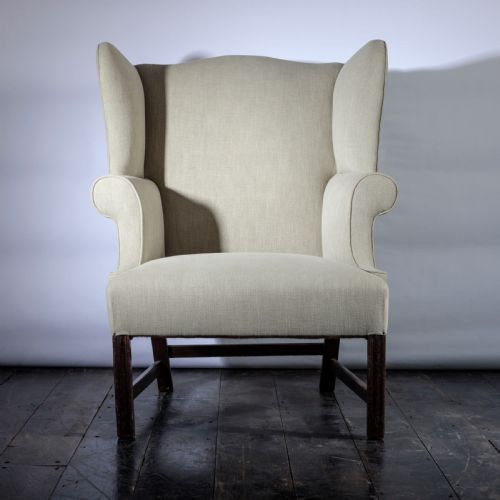
When you search for a period easy chair, you encounter a wide selection of armchairs spanning several centuries of British, French, and international design. The examples range from substantial 18th Century mahogany wing chairs to Victorian button-backed upholstery and 1930s leather club chairs.
The most common forms on this page include high-backed wing chairs designed to keep draughts away from the fire, alongside later Victorian gentleman's armchairs and 1920s walnut models. These seats serve as statement furniture in a living room or study, offering both generous proportions and traditional cushioning.
How they were made
Makers constructed the frames of a period easy chair using sturdy timbers like mahogany, walnut, hardwood, and general wood, often exposing carved legs in styles such as George III or Regency. Structural support frequently relied on iron framing in later Victorian pieces, while brass details appeared on castors or decorative hardware.
Traditional upholstery techniques involved heavy fabric, velvet, leather, or damask stretched over complex internal stuffing. Many pieces survive with period upholstery or arrive ready for re-upholstery using traditional textiles.
Listings feature frames made from mahogany, walnut, hardwood, and iron, upholstered in leather, velvet, damask, and standard fabric.
What varies in quality
The distinction between ordinary and exceptional examples rests in the integrity of the wooden frame and the precision of the carved details. Superior pieces retain their original timber without heavy replacement parts, showing crisp execution in scroll arms or cabriole legs.
Upholstery quality shifts from basic modern replacements to authentic period textiles or high-grade leather that matches the era of the frame. The harmony between the original proportions and the secondary materials dictates the overall standing of the chair.
Howard & Sons
The Period Easy Chair Glossary
- Wing chair
- An armchair with side panels attached to the back, designed to shield the sitter from draughts.
- Button back
- An upholstery style where depressions are formed by sewing through the padding and securing with buttons.
- Scroll arm
- An armchair arm shaped in a spiral curve, commonly seen on Victorian and Georgian models.
- Damask
- A reversible figured fabric traditionally used for formal upholstery on period seating.
Period Easy Chair: Frequently Asked Questions
What is a period easy chair?
A period easy chair is a comfortable upholstered armchair dating from historical eras such as the 18th Century, Regency, or Victorian periods. These chairs combine deep seating with traditional craftsmanship and historical stylistic details.
They function well as reading chairs or fireside seating in traditional and eclectic interiors alike.
Can I reupholster an antique armchair?
Many antique armchairs are sold specifically for re-upholstery to allow buyers to select fabrics that suit their interior scheme. Traditional methods and materials should be used during restoration to preserve the character of the frame.
Working with a specialist upholsterer ensures the internal webbing and padding support the shape correctly.
Where should I place a wingback armchair?
A wingback armchair works best in a living room, library, or study, often positioned near a fireplace or in a quiet reading corner. The tall back and wings create a private nook while adding architectural presence to the room.
Ensure there is sufficient surrounding space to appreciate the carved legs and overall silhouette.