



Period Dresser Unit
These period dresser unit examples combine deep historical timber work with practical storage for any traditional interior.
Period Dresser Unit
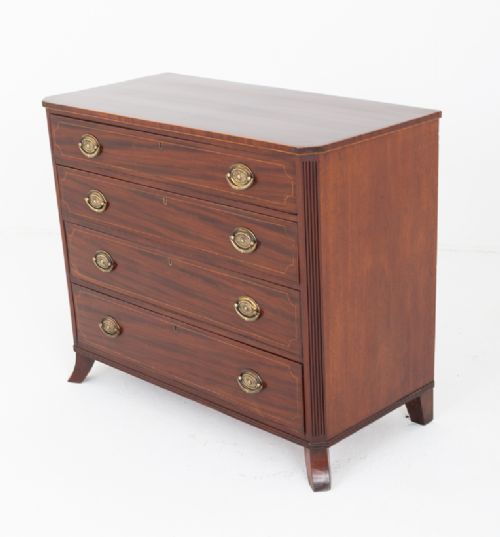
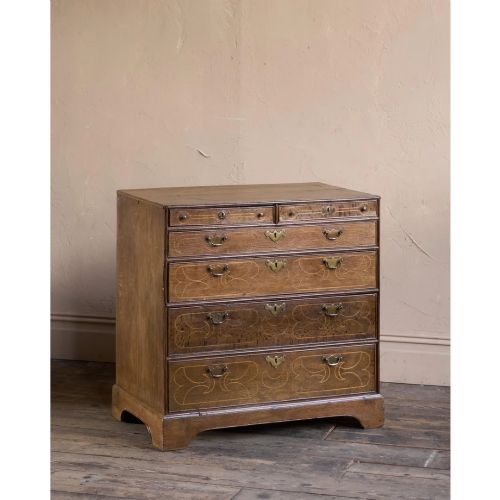
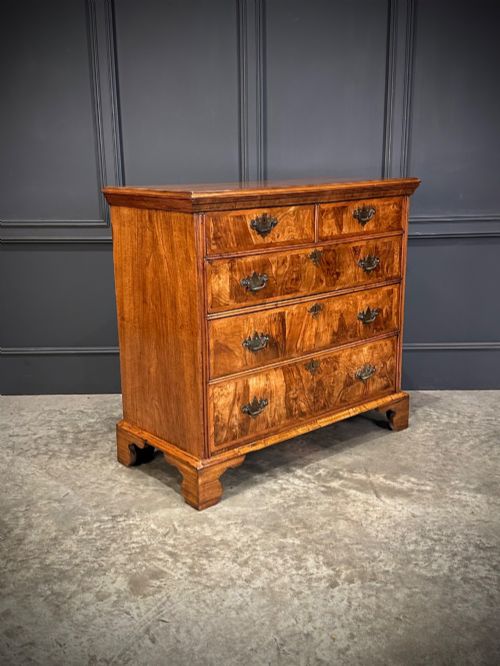
A period dresser unit provides substantial storage through historic forms built across centuries of British and continental cabinet making. When you search for a period dresser unit, you encounter items that range from grand breakfront bookcases and housekeepers cupboards to simpler oak and mahogany chests of drawers.
The pieces on this page span the seventeenth, eighteenth, and nineteenth centuries, including distinct regional expressions like French provincial oak cupboards and Arts and Crafts designs. Oak and mahogany appear most frequently, shaped into sideboards, dressers, and tall cupboards that served domestic needs long before modern fitted furniture.
Makers and workshops from specific design movements also leave their mark, offering variations from austere William and Mary panels to refined Regency proportions. Each form reflects the domestic habits of its era, keeping household linens, books, and provisions securely stored behind timber doors.
Materials and construction methods
Cabinet makers relied primarily on solid oak, mahogany, and walnut, often enhanced with fruitwood inlay or contrasting yew wood veneers. These timbers were selected for grain and durability, then joined using traditional methods that allowed the wood to move through seasonal temperature shifts.
Secondary elements such as brass handles, escutcheons, and glass panels complete the structural work. Iron and brass hardware was cast and finished by hand, securing doors and drawers that were individually fitted to their specific carcases.
Period Dresser Unit Retail Price Guide 2026
Typical asking prices for period dresser unit among the pieces listed under this phrase on Sellingantiques today, from the lower quarter to the upper quarter. They describe what is for sale here now, not the wider market.
Historic estate cupboards often retain faint traces of dried lavender tucked behind deep oak drawers by long-gone housekeepers.
Distinguishing quality across examples
The distinction between standard domestic furniture and finer examples lies in the selection of timber figures and the restraint of decorative inlay. Master cabinet makers utilised choice cuts of walnut and mahogany to create balanced drawer fronts and unbroken grain patterns across wide surfaces.
Proportion and the integrity of the original construction separate superior pieces from heavily altered ones. Fine examples retain their original brassware, undisturbed timber patination, and precise joinery that demonstrates the maker's hand without excessive restoration.
Liberty and Co
The Period Dresser Unit Glossary
- Breakfront
- A piece of furniture whose central section projects forward from the flanking wings. This architectural layout appears frequently on large bookcases and sideboards.
- Escutcheon
- A protective metal plate surrounding a keyhole. These brass fittings prevent the surrounding wood from wearing down during daily use.
- Patination
- The surface sheen and colour acquired by wood and metal over decades of handling and exposure to light. Good patination reveals the depth of the historic timber.
- Veneer
- A thin layer of fine wood applied to a base timber to create patterned surfaces. Cabinet makers used fruitwood and walnut veneers to ornament plain structural carcases.
- Carcase
- The main structural body or frame of a piece of furniture before drawers and doors are fitted. The carcase holds the weight of the shelves and internal compartments.
Period Dresser Unit: Frequently Asked Questions
What is a period dresser unit?
A period dresser unit refers to historic storage furniture, including cupboards, chests of drawers, and sideboards built during the seventeenth, eighteenth, and nineteenth centuries. These items combine practical shelving or drawer space with traditional cabinet making.
They reflect the aesthetic movements of their time, utilising timbers like oak, mahogany, and walnut to furnish domestic spaces with enduring utility.
Where were housekeepers cupboards used?
Housekeepers cupboards were large storage units kept in the service areas of substantial country houses or estates. They stored household linen, dry goods, and domestic equipment away from main living rooms.
Their generous proportions and deep shelving made them essential for managing large household inventories before fitted pantries became standard.
How do I care for antique timber?
Antique timber benefits from stable indoor humidity and protection from direct sunlight, which can dry out old finishes. Regular dusting with a soft, dry cloth preserves the historic surface.
Avoid silicone polishes and excess moisture, applying traditional beeswax sparingly only when the wood appears dry or dull.