



Period Dresser Base
A period dresser base provides sturdy storage with deep drawers and low proportions, making it an anchor piece for any traditional room.
Period Dresser Base
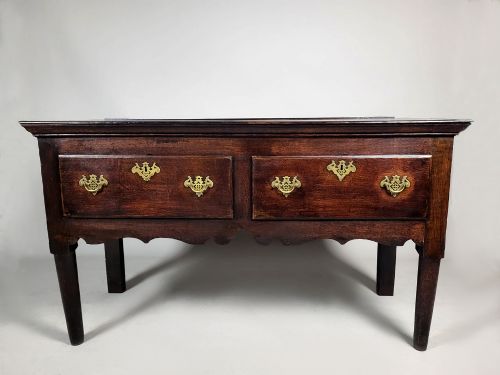
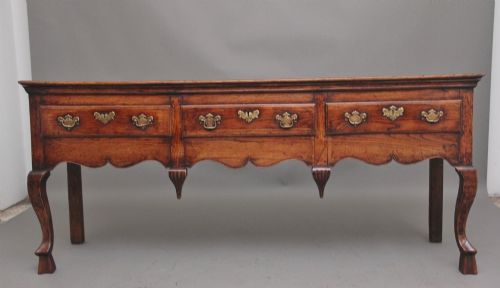
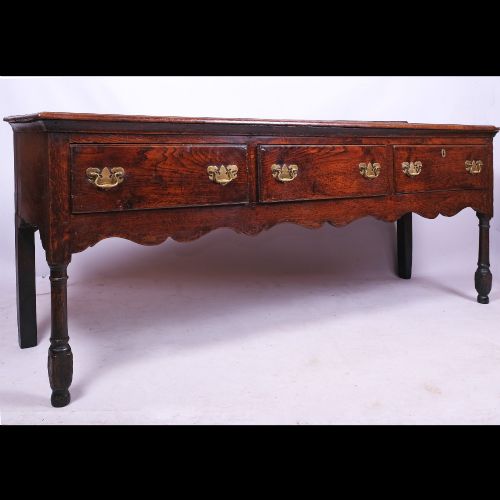
A period dresser base serves as a low, utilitarian surface topped with rows of working drawers, designed originally for domestic service in large houses. You will most frequently encounter sturdy oak examples dating from the seventeenth and eighteenth centuries, often showing utilitarian origins.
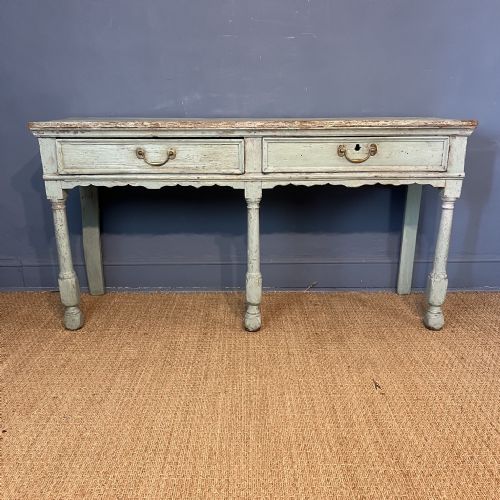
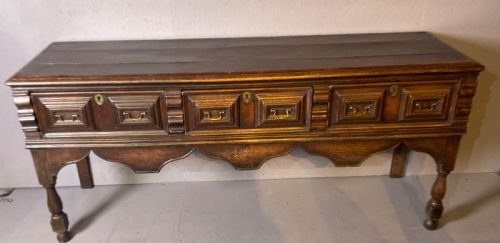
Makers built these items using heavy timber to withstand daily kitchen or pantry tasks, which accounts for their enduring survival. The form often includes open potboards below the drawer tiers or enclosed cupboards depending on regional workshops.
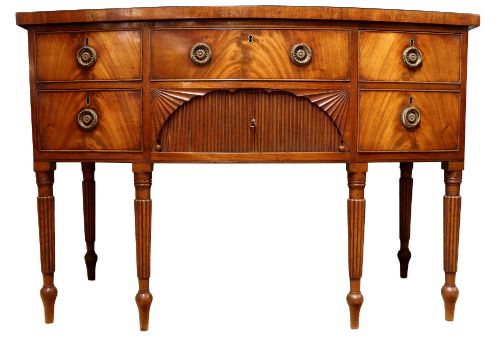
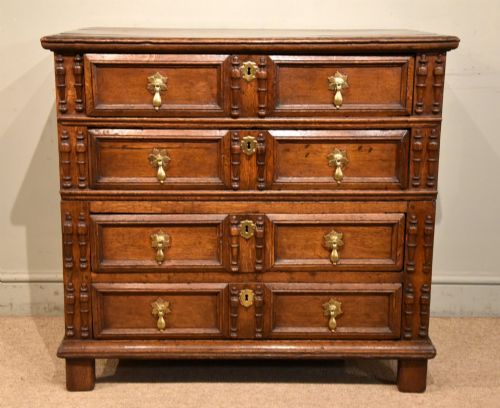
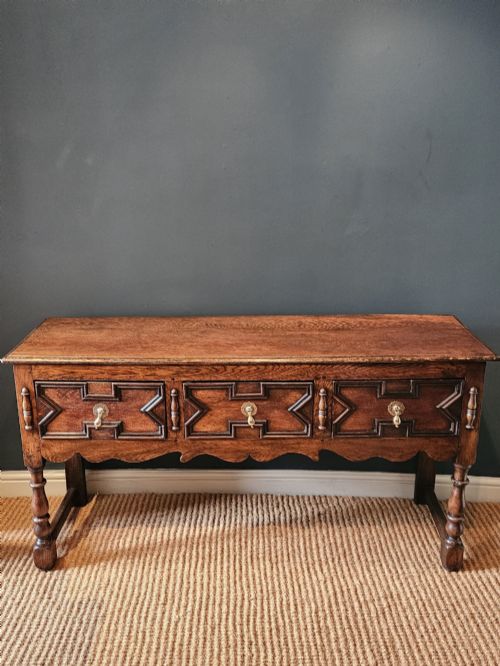
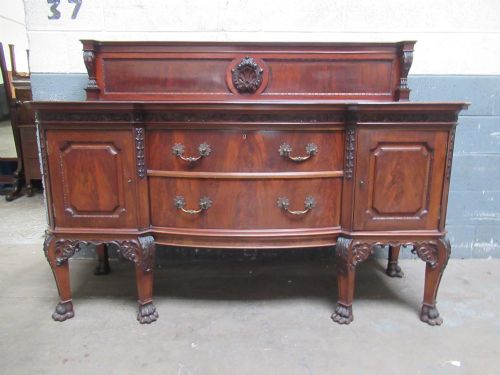
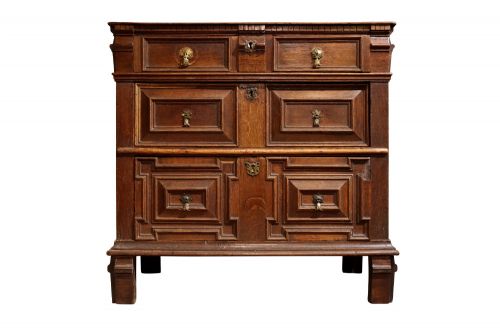
Surviving pieces span the Jacobean, Queen Anne, and Georgian eras, displaying changes in drawer configuration and moulding details over time. Oak and mahogany dominate the offerings, matched with period brass drop handles or geometric drawer fronts.
Materials and construction methods
Carpenters constructed these heavy bases using solid oak, mahogany, and occasional pine, often applying walnut veneers or cedarwood for specific panels. Joinery relied on pegged mortise and tenon joints to bear the considerable weight of daily use.
Drawer construction typically involved hand-cut dovetails, paired with side-hung runners and brass hardware fixed by hand. Surfaces received hand-planed finishes and wax polish rather than modern synthetic seals.
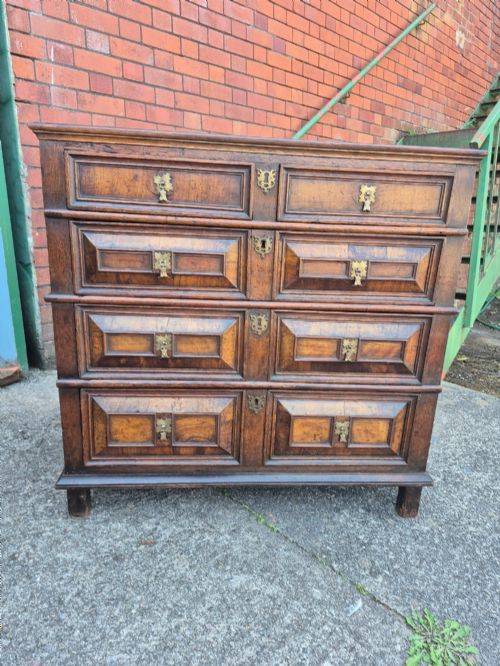
Form variations include open potboards, geometric moulded drawer fronts, and breakfront layouts.
What distinguishes finer examples
Quality rests upon the proportion of the timber, the crispness of the geometric mouldings, and the survival of original brass handles. Pieces retaining their early boarded potboards and untouched drawer linings hold greater authority.
The refinement of the carving on friezes and stiles distinguishes standard utility items from more ambitious country house commissions. Finer execution shows in tight, precise dovetailing and timber selected with matched grain patterns.
The Period Dresser Base Glossary
- Potboard
- An open lower shelf beneath the drawers used for storing heavy earthenware and serving dishes. This platform sits directly on low feet or floor rails.
- Geometric moulding
- Raised rectangular or octagonal mouldings applied to drawer fronts to create decorative depth. This technique is typical of late seventeenth century joinery.
- Dovetail
- An interlocking joint used at the corners of drawers, cut by hand with fine saws and chisels. The tightness of the pins indicates the skill of the carpenter.
- Frieze
- The horizontal band of wood situated directly beneath the top board of the dresser base. It often carries carved decoration or houses narrow cutlery drawers.
- Drop handle
- A pendant-shaped brass pull suspended from a backplate, standard on pieces made before the middle of the eighteenth century. Original examples show wear patterns specific to their age.
Period Dresser Base: Frequently Asked Questions
What is a dresser base used for?
Historically, these low units served as preparation tables and storage for kitchen ceramics, linen, and dry goods. In modern homes, they function well as sideboards in dining rooms or console tables in large hallways.
Their deep drawers accommodate tableware while the top surface provides ample display space for lamps and decorative objects.
How do I date an oak dresser base?
Dating relies on examining construction methods, timber choice, and hardware styles. Seventeenth century pieces often feature boarded construction, geometric drawer mouldings, and pegged joints.
Later eighteenth century examples adopt cleaner lines, mahogany veneers, and more refined brass pull handles.
Can I use a dresser base in a modern kitchen?
These pieces integrate successfully into contemporary kitchens as freestanding islands or auxiliary storage units. Their durable timber tops handle everyday tasks while the lower drawers organise kitchen utensils.
Ensure the room humidity remains stable to protect antique wood from excessive drying or moisture.