
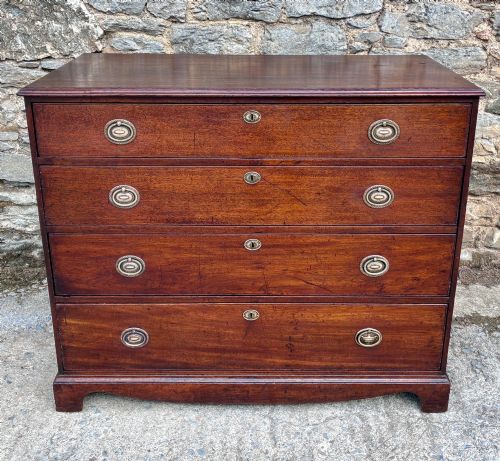
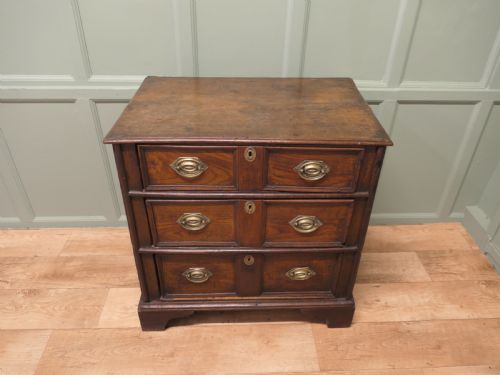
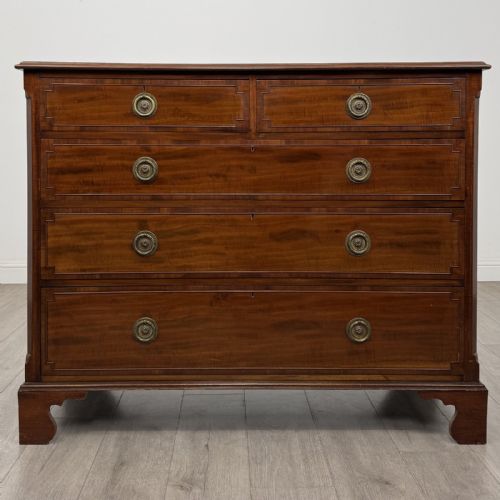
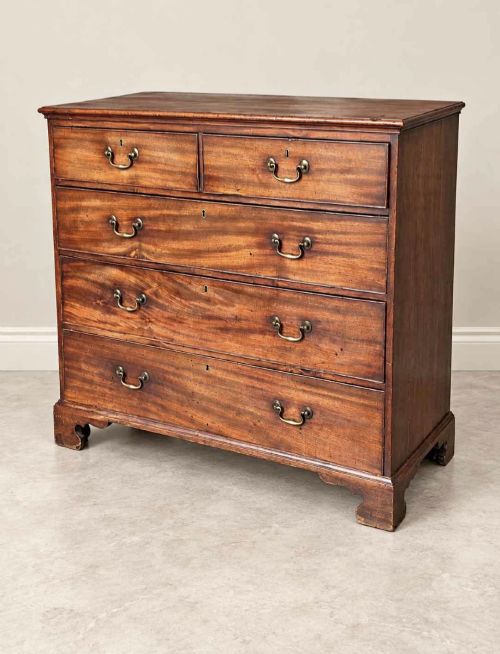
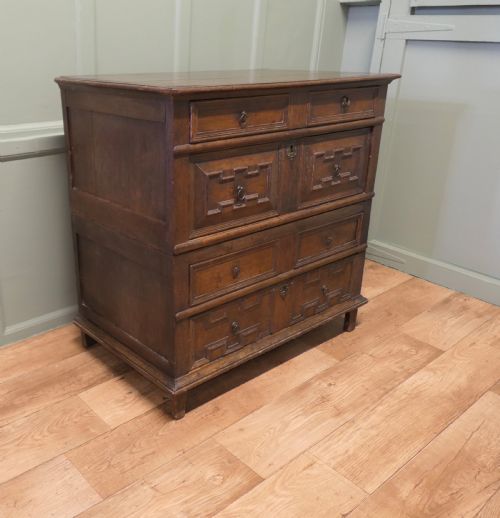
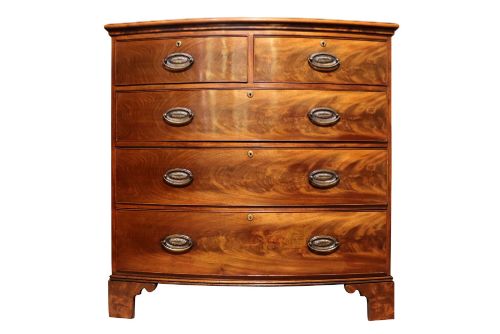
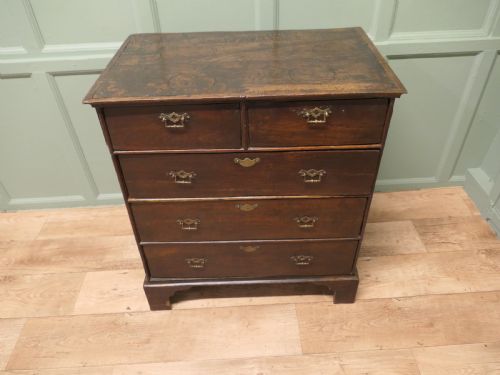
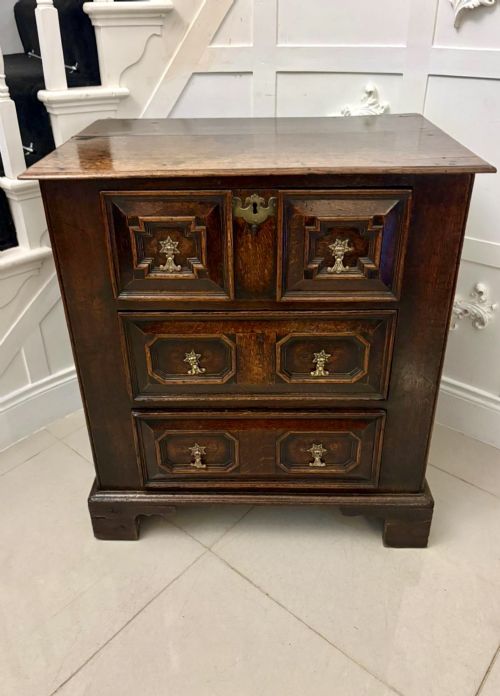
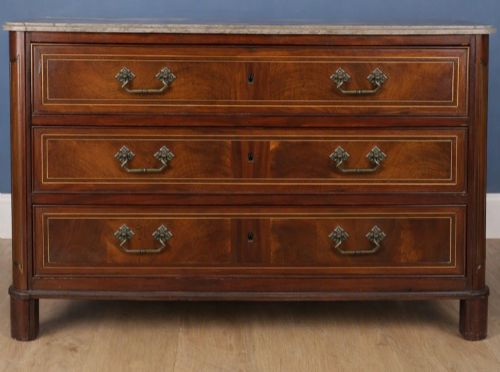
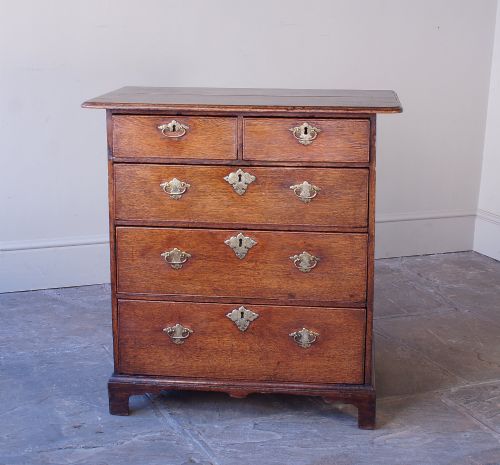
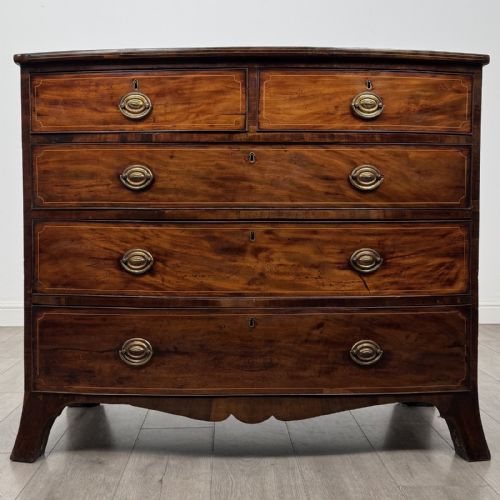
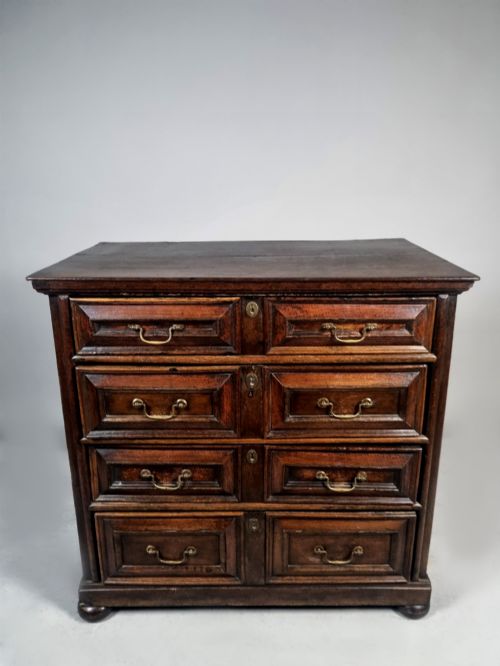
Period Drawer Chest
A period drawer chest provides essential storage while anchoring a room with centuries of timber work.
Period Drawer Chest
A period drawer chest serves as a primary storage receptacle, evolving from early plank constructions to refined casework. When you search for a period drawer chest, you encounter diverse regional forms spanning centuries of British and European cabinet making.
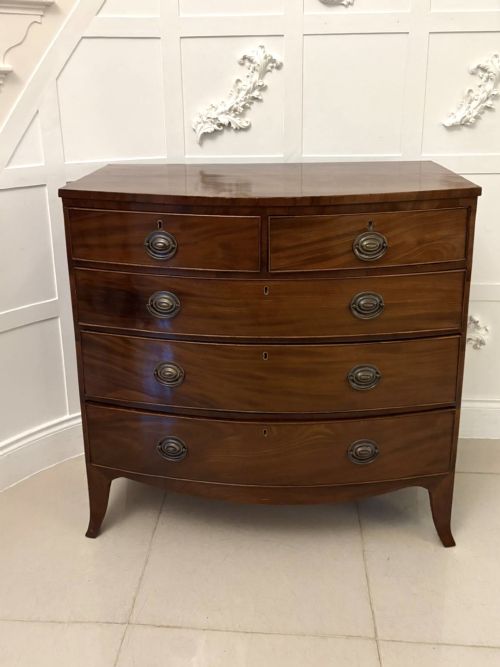
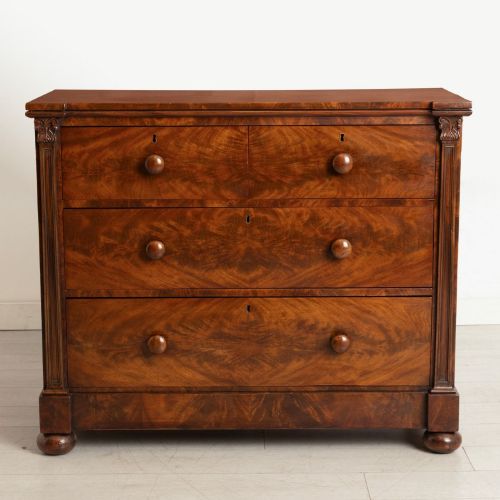
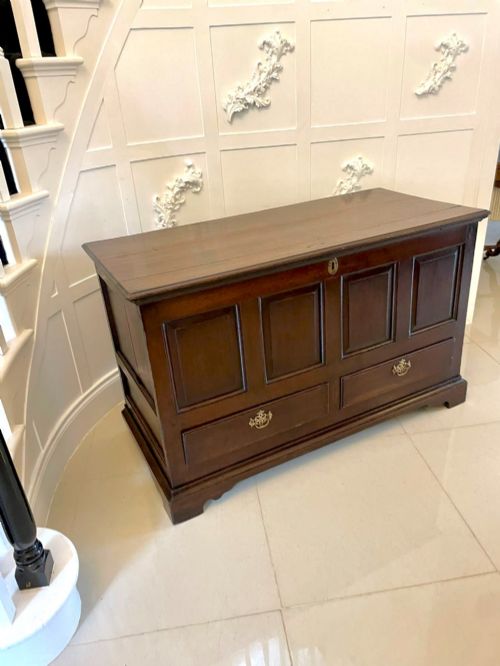
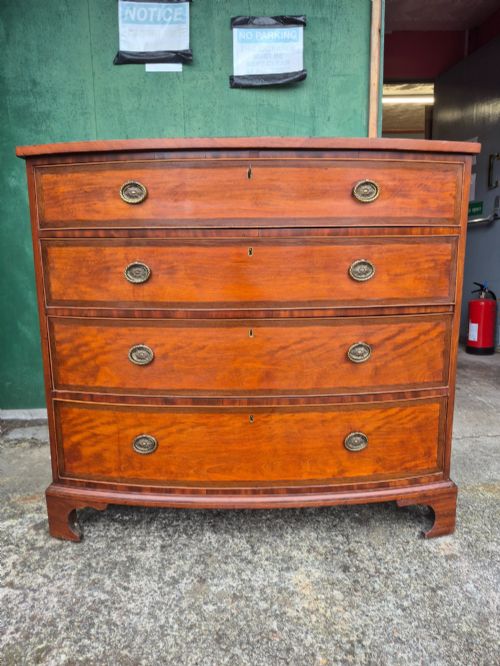
The selections on this page appear most frequently in mahogany, oak, and walnut timbers. Forms range from compact bow fronts and mule chests to towering chests on chests and specialised bureau desks.
Earlier examples frequently employ solid oak with geometric mouldings or joined construction. Later Georgian and Regency pieces display figured mahogany veneers, satinwood banding, and curved bow fronts supported on bracket feet.
Materials and construction methods
Cabinet makers built these pieces using native and imported timbers including oak, mahogany, walnut, and elm. Solid planks formed the carcasses of seventeenth and eighteenth century country furniture, whilst fine urban pieces utilised mahogany and walnut veneers over secondary softwood foundations.
Joinery techniques progressed from pegged mortise and tenon joints in seventeenth century oak furniture to sophisticated dovetailing for drawer construction in Georgian periods. Brass handles, escutcheons, and occasional bracket feet completed the structural assembly.
Listings span multiple centuries from the seventeenth century through the Victorian era, encompassing oak, walnut, mahogany, and elm woods.
Distinctions in construction and finish
The integrity of secondary timbers and the retention of patination distinguish exceptional furniture. Altered feet, replaced top boards, or extensive board shrinkage alter the original proportion and historical character.
J Moorcroft
The Period Drawer Chest Glossary
- Bow front
- A convex curved cabinet front popular during the Regency and late Georgian periods. This shape softens the room and showcases figured mahogany veneers.
- Chest on chest
- A tall storage unit formed of two stacked carcases, where a smaller upper section sits upon a wider lower base. Also known as a tallboy.
- Mule chest
- A storage trunk featuring one or two operational drawers fitted beneath the main compartment. These pieces bridge the transition between blanket chests and drawer chests.
- Bracket foot
- A structural and decorative foot shaped like a bracket, supporting the corners of Georgian casework. These feet often feature mitred joints.
- Oyster veneering
- The practice of slicing small branches crosswise to produce circular or oval patterns resembling oyster shells. This technique appears on seventeenth century walnut surfaces.
- Bureau
- A desk form featuring a sloping fall front that opens to reveal internal pigeonholes and small drawers. Some examples incorporate a leather writing surface.
Period Drawer Chest: Frequently Asked Questions
How do I date a drawer chest?
Dating relies upon examining construction methods, timber choices, and hardware styles. Early pieces utilise joined oak with hand-carved details, whilst Georgian items favour mahogany with hand-cut dovetails.
Secondary woods inside drawers also shift from oak and pine in the eighteenth century to deal and mahogany in the nineteenth century. Examining the backing boards and nail types provides further chronological markers.
What is the difference between a mule chest and a chest of drawers?
A mule chest combines a top opening compartment with one or more drawers built into the base. It served as a transitional storage piece for linens and garments.
A standard chest of drawers consists entirely of horizontal stacked drawers running from top to bottom. This form prioritised modular garment storage over bulk trunk space.
How do I care for antique timber furniture?
Maintain stable indoor humidity and temperature to prevent timber from splitting or warping. Keep pieces away from direct heat sources and strong sunlight that fades polished surfaces.
Apply traditional wax sparingly to nourish the wood and preserve the surface sheen. Avoid modern silicone sprays that build up and damage antique finishes.
Where should I place a chest on chest in my home?
A chest on chest requires adequate vertical clearance due to its height. Bedrooms and dressing rooms provide logical settings for garments and linen storage.
Larger hallways or landings also accommodate these tall forms effectively. Ensure the piece is secured to the wall if local safety conditions require structural anchoring.