
Period Dining Chair
A period dining chair brings solid timber and centuries of design history to the table, offering a sturdy seat for daily meals.
Period Dining Chair
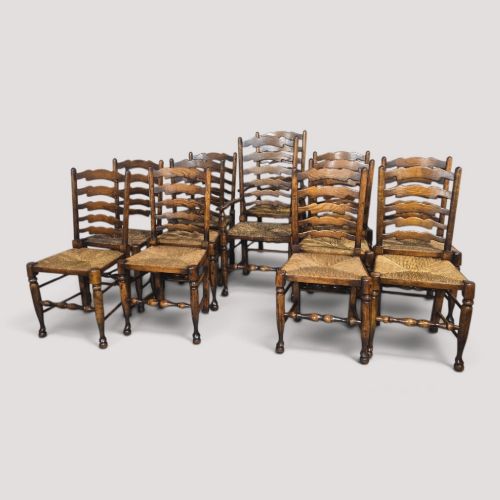
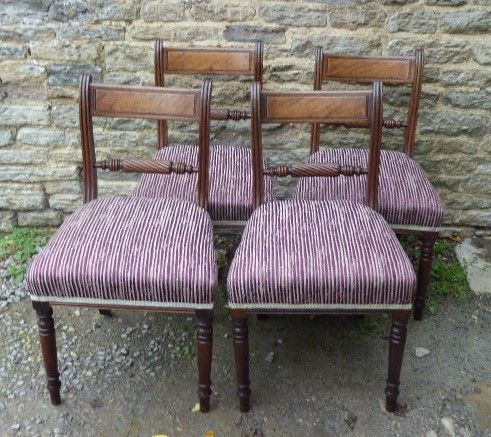
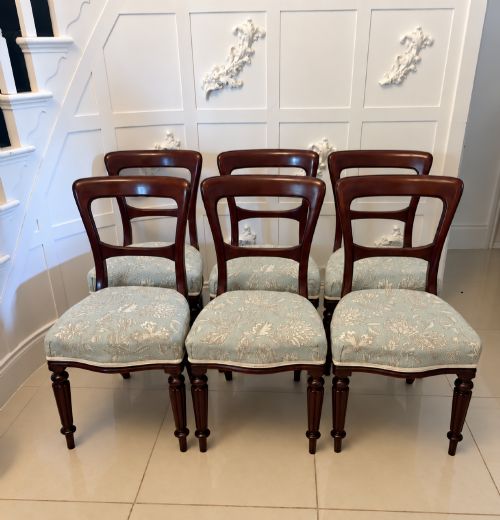
When you search for a period dining chair, you encounter wooden seating spanning the seventeenth through the early twentieth centuries, with a strong presence of nineteenth-century and Georgian pieces.
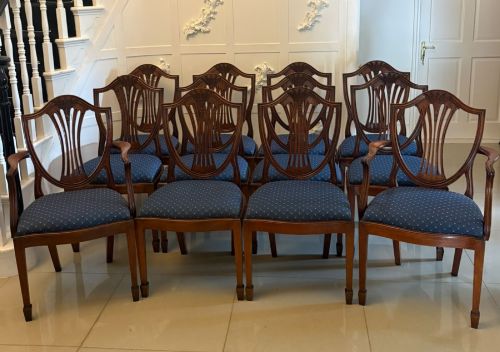
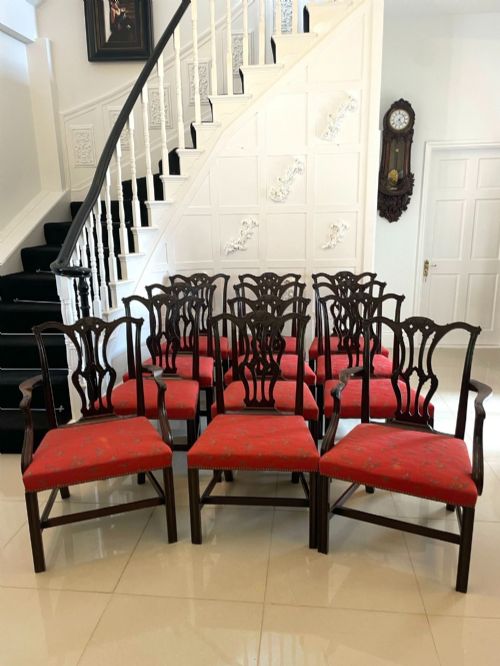
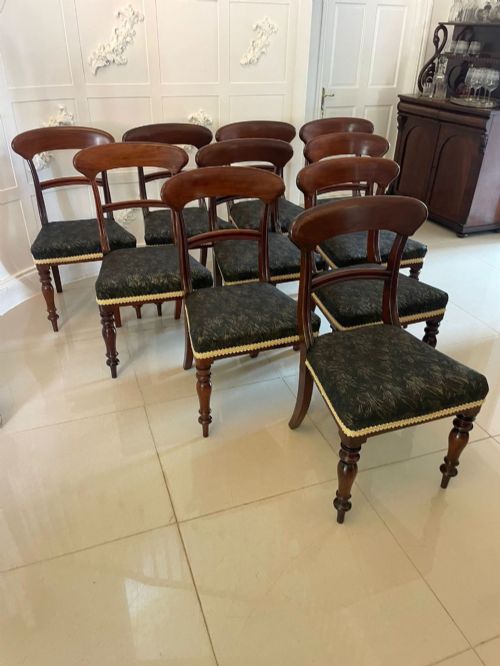
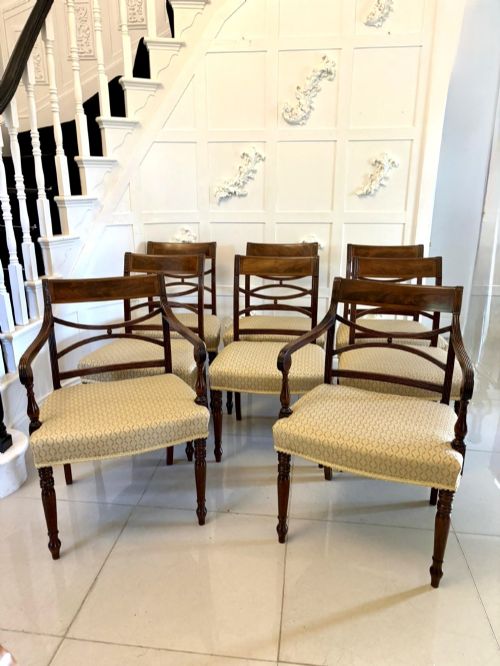
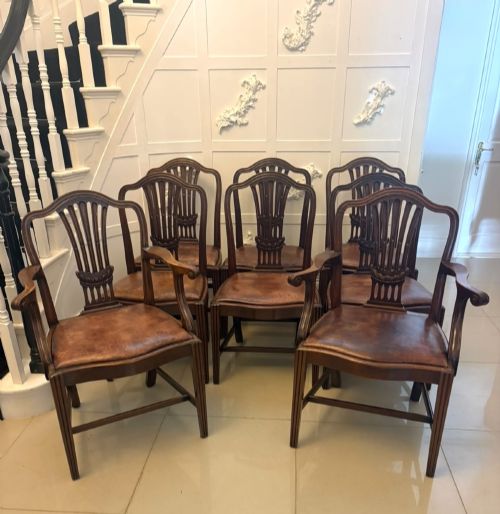
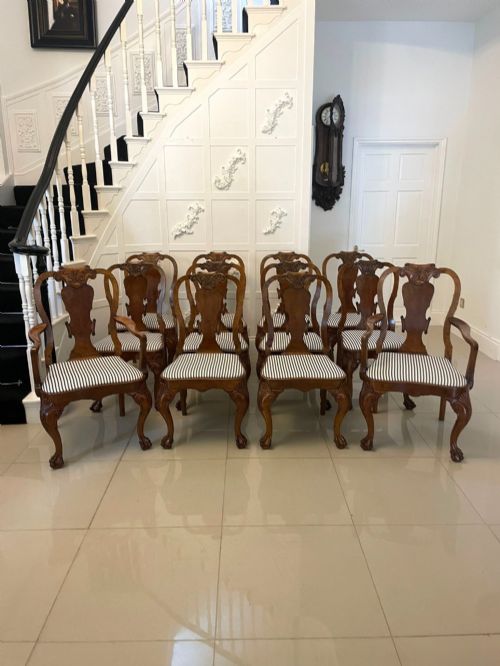
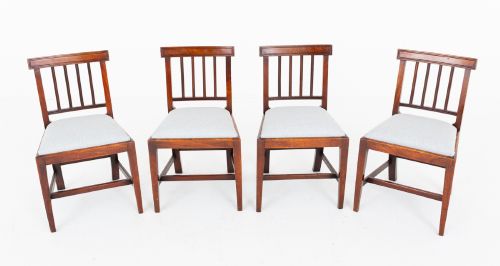
The selections available here range from single side chairs and armchairs to large matched sets of ten or twelve dining chairs including carvers.
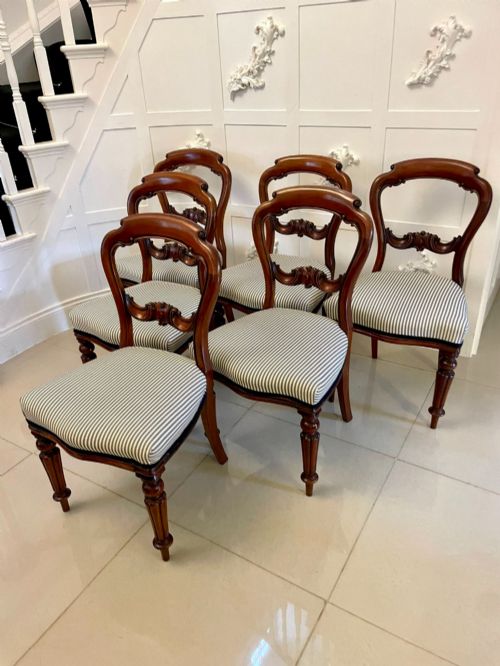
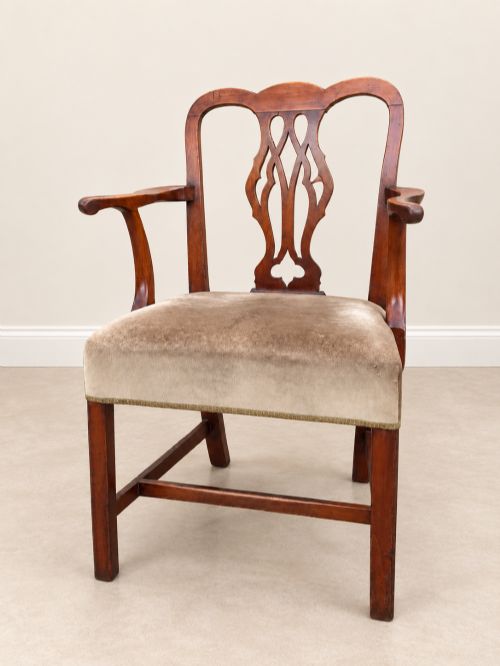
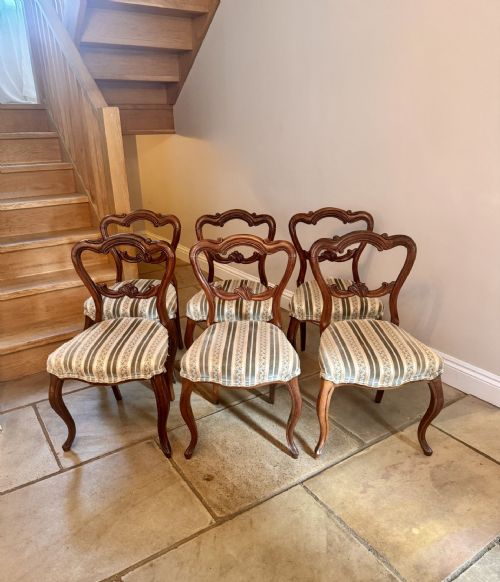
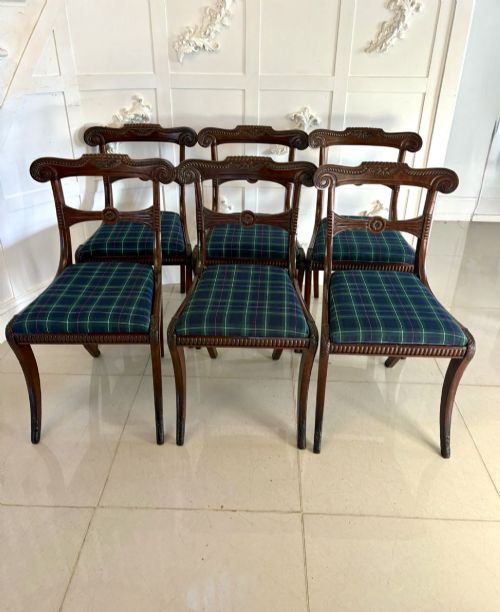
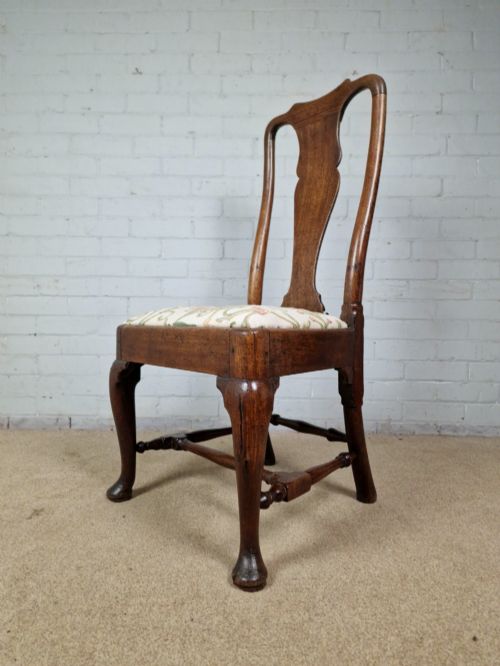
Forms vary from Queen Anne and Chippendale style country chairs to Regency ropebacks, Victorian balloon backs, and oak correction chairs.
Materials and construction
Makers built these seats primarily using hardwoods such as mahogany, oak, rosewood, walnut, yew wood, elm, and ash.
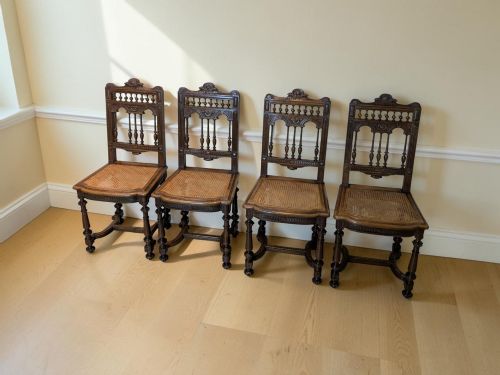
Decoration relied on carving, brass inlay, reeded legs, barley twist turns, and pierced splat backs.
Upholstery utilised fabric, velvet, textile, and original tan leather.
Listings feature mahogany, oak, rosewood, walnut, elm, and ash across periods spanning the seventeenth to the early twentieth century.
Judging the range
The standard of carving and the crispness of detail separate superior sets from simpler regional examples.
Cohesion within larger sets and the integrity of timber surfaces determine the standing of each piece.
The Period Dining Chair Glossary
- Carver
- An armchair designed to sit at the head of a dining table. These often match a set of smaller side chairs.
- Balloon back
- A rounded, curved backrest shaped like a balloon, commonly seen on Victorian chairs. This form provided ergonomic support through its flowing timber lines.
- Shield back
- A chair back shaped like a heraldic shield, popular in Georgian and Hepplewhite style design. These frequently incorporate carved splats or wheat ear motifs.
- Splats
- The vertical slat of wood down the centre of a chair back. Pierced and carved variations help identify specific design periods.
- Barley twist
- A spiral turning carved into the wooden legs or stretchers of a chair. This technique appears frequently on nineteenth-century oak seating.
Period Dining Chair: Frequently Asked Questions
How do I care for antique wood chairs?
Keep wooden frames away from direct heat sources and sudden humidity changes to prevent timber splitting.
Apply suitable wax polish occasionally to nourish the grain and protect the finish.
Are large sets harder to find?
Complete sets of ten or twelve matching chairs occur less frequently than smaller groups of four or six.
Many larger dining arrangements include a combination of standard side chairs and matching carvers.
How can I tell a Regency chair apart?
Regency designs often feature classical motifs, saber legs, brass inlay, and dark mahogany or rosewood timbers.
These pieces reflect early nineteenth-century influences drawn from ancient Greek and Roman furniture.
Can I use these chairs every day?
Solid construction in hardwoods like mahogany and oak makes these seats suitable for regular domestic use.
Checking joints periodically ensures stability during daily dining routines.