



Period Desk Box
A period desk box offers a tangible connection to historical writing habits, providing a secure and portable receptacle for letters, documents, and valuables.
Period Desk Box
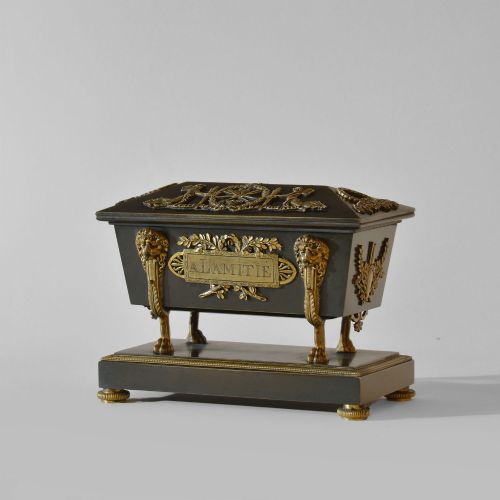
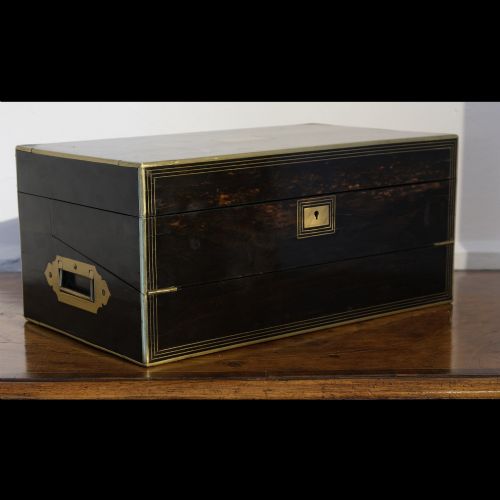
A period desk box encompasses wooden containers used for storing writing materials, documents, and valuable papers across several centuries. These items range from sturdy 17th-century oak Bible and document boxes to refined Regency rosewood writing slopes and Sheraton satinwood stationery boxes.
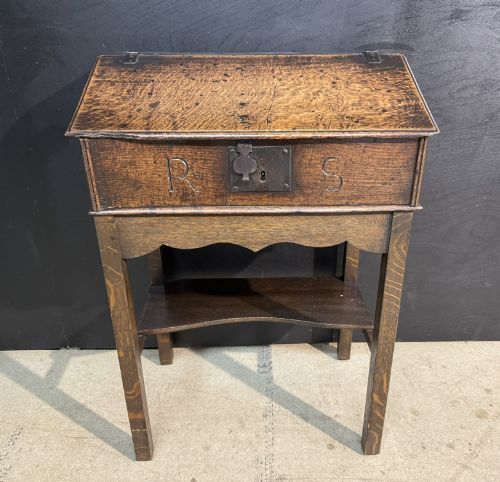
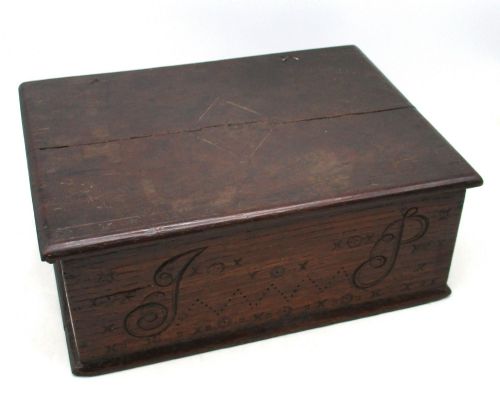
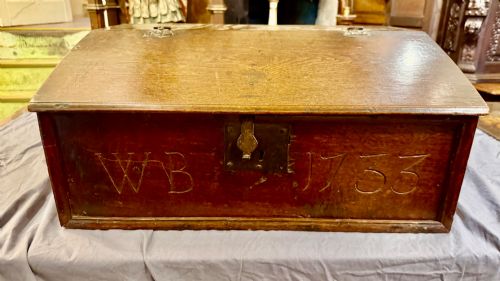
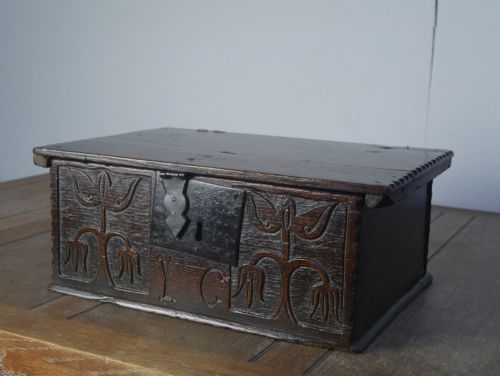
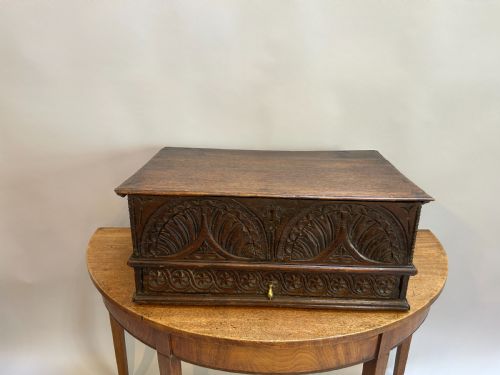
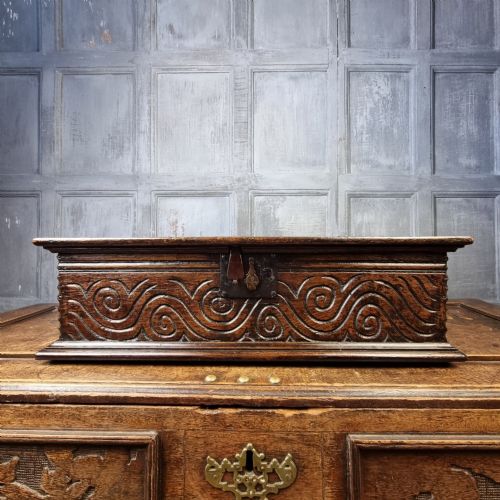
The version most commonly encountered on this page is the early English oak box or Bible box dating from the 17th century. These pieces often feature hinged lids, carved panels, and straightforward proportions designed for tabletop use.
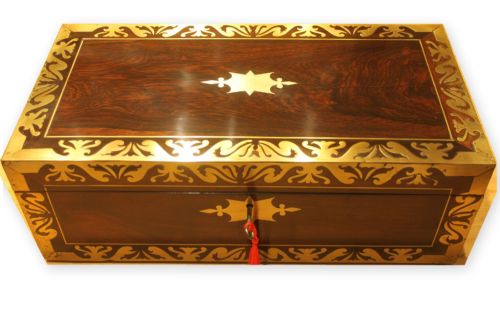
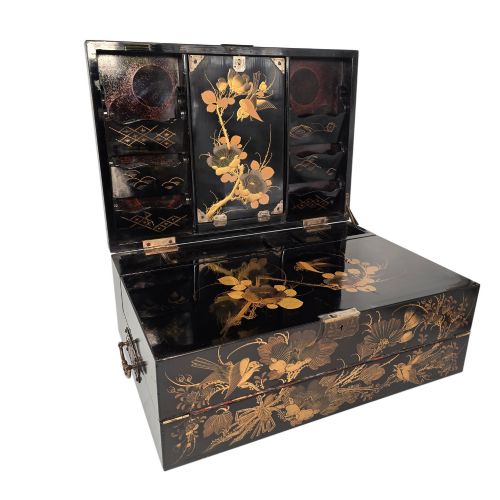
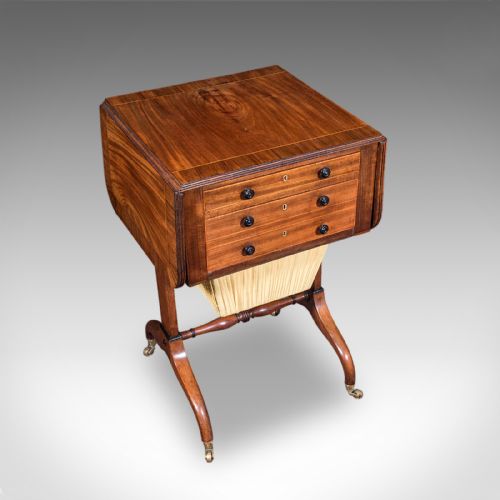
Later examples shift towards sophisticated writing slopes and inlaid rosewood or mahogany variations from the Georgian and Regency eras. Buyers will also find Japanese lacquer writing boxes and table cabinets originating from the Meiji period.
Materials and construction methods
Oak dominates the earlier items, frequently shaped with hand-carved panels, iron hinges, and straightforward joinery suited to domestic utility. These 17th-century pieces rely on dense native timber built to withstand daily use on a table or desk.
Later 18th-century and Regency examples utilise exotic timbers such as rosewood, satinwood, and mahogany, often enhanced with brass inlay, cut brass work, or holly and bog oak inlay. Lacquer techniques appear on Japanese boxes, combining a dark glossy finish with decorative motifs.
Period Desk Box Retail Price Guide 2026
Typical asking prices for period desk box among the pieces listed under this phrase on Sellingantiques today, from the lower quarter to the upper quarter. They describe what is for sale here now, not the wider market.
Some 17th-century oak Bible boxes still bear carved initials and dates, recording the exact year an owner secured their papers.
Distinguishing quality across periods
Quality in a period desk box is determined by the crispness of the carving, the selection of timber veneers, and the integrity of the original hardware. Early oak boxes demonstrate quality through the depth of carved detail on the front panels and the retention of original boards and ironwork.
For Regency and Georgian writing slopes, the standard is set by the precision of the brass inlay, the matching of grain patterns in rosewood or satinwood, and the complexity of the internal fittings. Unaltered interiors and surviving brass mounts separate superior examples from heavily restored pieces.
Gillows of Lancaster
The Period Desk Box Glossary
- Bible box
- A sloping or flat-topped wooden box originally intended to hold a family Bible and later used for general manuscripts and writing supplies. These are predominantly found in 17th-century oak.
- Writing slope
- A portable desk featuring a hinged, sloping lid that opens to reveal a slanted writing surface and interior compartments for pens and ink. They frequently date from the Regency and Georgian periods.
- Document box
- A compact lidded container designed to protect legal papers and personal correspondence. They appear in carved oak from the 17th and 18th centuries.
- Stationery box
- An upright receptacle created to organise writing paper and envelopes. Sheraton and Georgian iterations often feature fitted interior divisions.
- Kodansu
- A small Japanese tabletop cabinet with multiple drawers and compartments. These appear in lacquer styles associated with the Meiji period.
Period Desk Box: Frequently Asked Questions
What is a period desk box used for?
These boxes provided a secure, portable place to store writing equipment, letters, and important documents before fitted home offices existed. Owners kept ink, quills, and paper inside, often locking the lid to protect private correspondence.
Today, they function well on modern desks or side tables for storing contemporary stationery, small valuables, or as standalone decorative antiques.
How do I tell a 17th-century box from a Regency one?
Seventeenth-century boxes are almost exclusively made of solid oak, often featuring hand-carved geometric or floral panels and visible iron hinges. They possess a heavy, utilitarian construction built for domestic utility.
Regency boxes utilise refined tropical hardwoods like rosewood or mahogany, frequently decorated with contrasting brass inlay or veneers. Their shapes tend to be sleeker, designed as folding writing slopes rather than simple lidded chests.
Were these boxes meant to travel?
Many examples, particularly the Regency military writing slopes, were built with brass carrying handles and reinforced corners for transport during campaigns or travel. Other domestic varieties remained stationary on tables and desks.
Their enclosed compartments and locking lids kept contents secure whether moved between rooms or transported across larger distances.
How should I care for an antique wooden box?
Keep wooden and lacquered boxes away from direct sunlight and sudden temperature shifts to prevent the timber or veneer from warping and cracking. Dust them gently with a dry cloth and occasionally apply a suitable wax if the finish requires nourishment.
Avoid placing damp items directly onto antique surfaces, especially inside historic writing compartments that may retain original paper linings.