



Period Country House Furniture
Period country house furniture brings practical domestic history indoors, offering solid oak tables, armchairs, and cupboards built for daily use.
Period Country House Furniture
When you search for period country house furniture, you encounter sturdy utilitarian items made for large rural estates. The selection spans utilitarian seating, storage chests, and side tables designed to serve practical roles in domestic interiors.
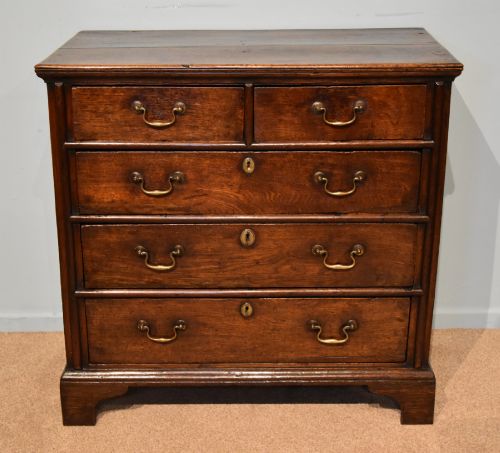
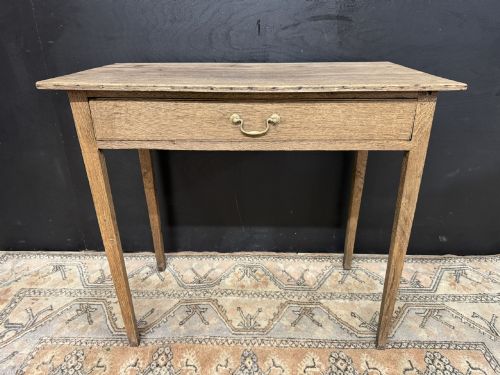
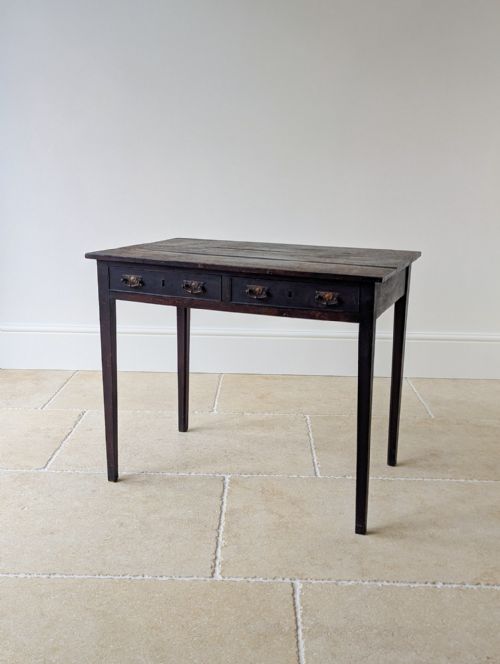
You are most likely to meet 18th century and Georgian vernacular forms on this page. Oak side tables, elm armchairs, and yew wood chests of drawers represent the core of these listings.
The objects include dining tables, boot racks, and housekeepers cupboards that reflect rural English craftsmanship. These furnishings prioritise utility and structural honesty above ornamental excess.
How they were made
Makers utilised native timbers such as oak, elm, and yew wood for structural elements and tabletops. These dense woods provided the necessary durability for heavy household service.
Mahogany appears alongside traditional hardwoods in later pieces, often shaped by cabinetmakers following Hepplewhite designs. Metal fittings like brass fixtures and textile elements including damask, upholstery, and tapestry upholstery complete the construction.
Period Country House Furniture Retail Price Guide 2026
Typical asking prices for period country house furniture among the pieces listed under this phrase on Sellingantiques today, from the lower quarter to the upper quarter. They describe what is for sale here now, not the wider market.
Early boot and whip racks remind us that country house residents spent significant hours muddying their footwear outdoors.
What varies in quality
The standard of timber selection and the retention of original surface patination determine the grade of a piece. Plain vernacular items contrast with carved mahogany armchairs that display finer sculptural detail.
Proportion and the integrity of early construction methods set exceptional items apart from standard utility pieces. Structural preservation without excessive modern intervention dictates long-term desirability.
The Period Country House Furniture Glossary
- Vernacular furniture
- Items made by local tradespeople for everyday domestic use rather than high-style urban workshops. These pieces rely on regional traditions and readily available native woods.
- Cricket table
- A small, lightweight occasional table typically featuring three splayed legs for stability on uneven floors. This form dates back to early domestic interiors.
- Low boy
- A small side table or dressing table featuring a low set of drawers beneath the surface. They often stand on slender cabriole or straight legs.
- Gate leg table
- A dining table with hinged leaves supported by swing-out legs that resemble a gate. This design allowed tables to fold compactly when not in use.
- Housekeepers cupboard
- A large storage cabinet utilised in country houses for linens, dry goods, and household provisions. These tall pieces provide substantial internal shelving.
Period Country House Furniture: Frequently Asked Questions
What defines country house furniture?
Country house furniture comprises functional wooden furnishings created for large rural estates. These items emphasise robust construction and utility over delicate urban decorative styles.
Craftsmen built these pieces from regional materials like oak, elm, and yew wood to withstand decades of heavy domestic service.
How do I date an oak side table?
Dating relies on examining joinery techniques, timber choice, and tool marks left by makers. Pegged joints and hand-sawn board edges point to earlier periods of manufacture.
Secondary woods and hardware fittings also help establish the approximate decade a piece was constructed.
Where were cricket tables used?
Cricket tables served as versatile portable surfaces in domestic rooms and kitchens. Their three-legged design prevented rocking on uneven stone or flagged floors.
People moved them easily beside chairs for holding small items or drinking vessels.
How do I care for antique elm furniture?
Elm furniture requires stable indoor humidity levels to prevent the timber from splitting or warping. Regular dusting with a dry cloth maintains the surface.
Applying traditional wax polish occasionally nourishes the wood and preserves its natural appearance without sealing the grain.