





Period Collectors Cabinet
When you look for a period collectors cabinet, you seek a specialist piece designed to organise and display natural specimens or small treasures.
Period Collectors Cabinet
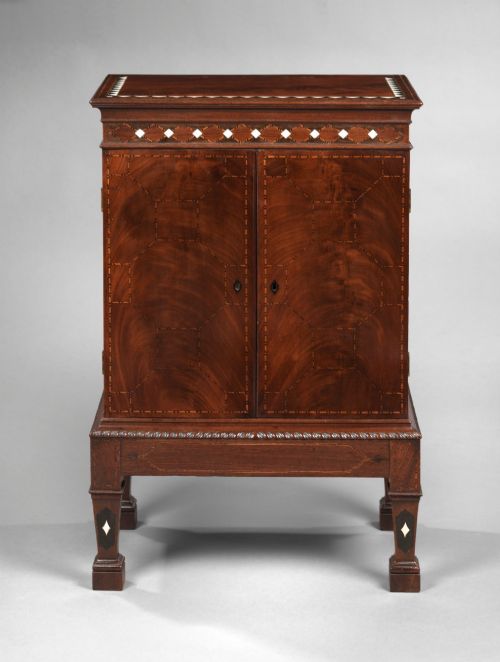
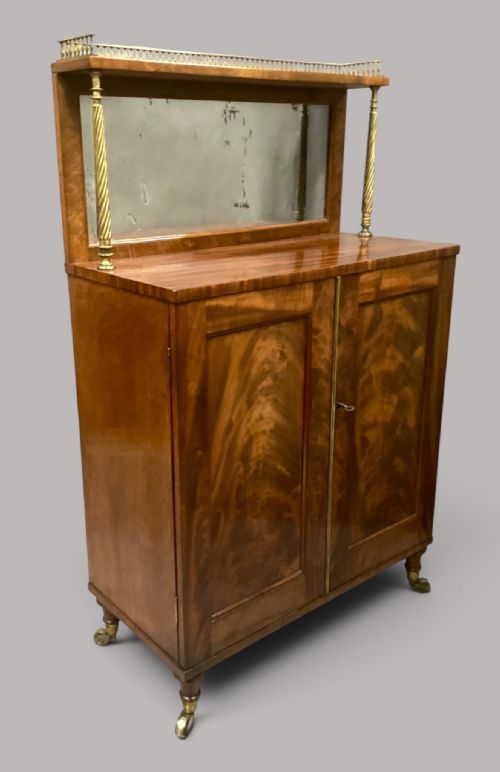
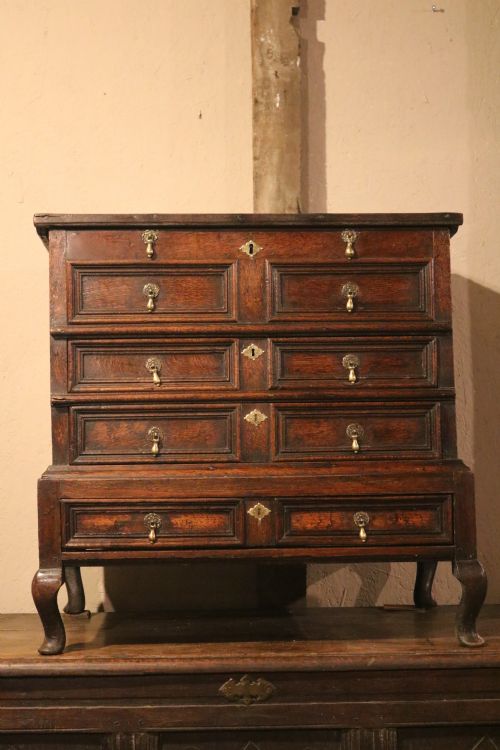
A period collectors cabinet is a specialist piece designed to organise and display natural specimens, coins, or small treasures. These pieces span multiple eras, including the 17th Century, Georgian period, 18th Century, Regency, and into the 20th century.
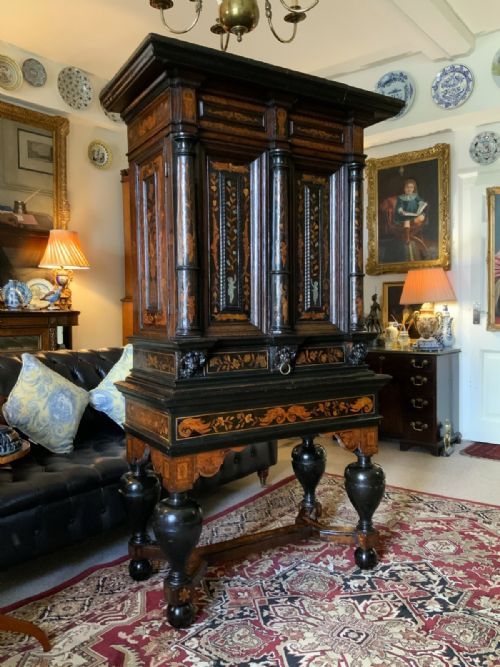
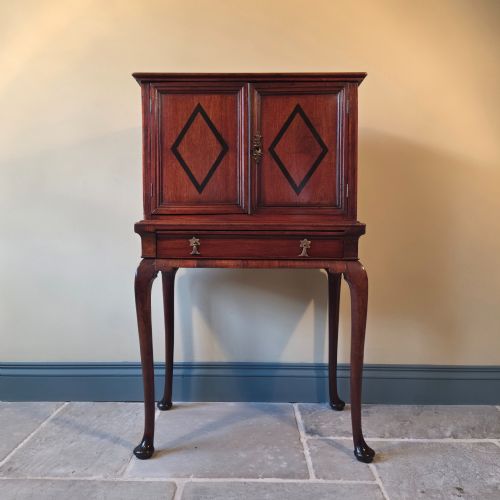
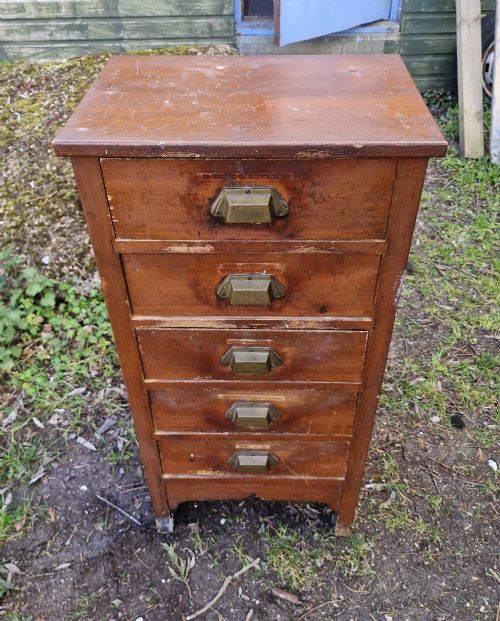
The forms vary considerably across the selection, featuring cabinets on stand, table cabinets, filing cabinets, desktop cabinets, and miniature chests. Many examples incorporate numerous internal drawers tailored for specific classifications.
Origin and design lineage shift from Dutch Baroque and William & Mary styles through to Chippendale, Regency, and Japanese Meiji period influences. Buyers frequently encounter timber constructions elevated on dedicated stands or built for tabletop placement.
Materials and construction
Cabinet makers utilised dense hardwoods such as mahogany, walnut, oak, kingwood, olive wood, and satinwood. Construction often involved intricate techniques like oyster veneering, black lacquer finishes, marquetry, and pewter inlay.
Surface detailing relied on applied brass handles, gold leaf decoration, and original gilded lettering. Table cabinets and miniature chests demonstrate precise joinery designed to house multiple shallow drawers securely.
Period Collectors Cabinet Retail Price Guide 2026
Typical asking prices for period collectors cabinet among the pieces listed under this phrase on Sellingantiques today, from the lower quarter to the upper quarter. They describe what is for sale here now, not the wider market.
One signed piece preserves the exact date of July 1827 marked by its maker, Charles William Schofield.
Distinctions in quality
Quality rests in the selection of timbers, such as burr walnut or figured mahogany, and the precision of decorative elements like oyster veneers and marquetry. Superior examples retain original brass hardware and untouched surface patination.
Structural complexity also defines the tier of a piece, distinguishing grand cabinets on stand with intricate inlays from simpler desktop cases or office units.
Brady·Barr flight Barr Worcester·Charles William Schofield
The Period Collectors Cabinet Glossary
- Cabinet on stand
- A form comprising a storage body raised upon a separate support frame with legs. This configuration elevates the piece for easier examination of the contents.
- Oyster veneer
- A decorative surface created by cross-cutting small branches of timber to reveal circular grain patterns. This technique was popular in the late seventeenth century.
- Marquetry
- Inlaid patterns of wood, metal, or other materials applied to a carcass structure. It creates pictorial or geometric surface designs.
- Desktop cabinet
- A small storage form built to sit upon a writing table or surface. These items typically house shallow drawers for letters, documents, or small specimens.
- Table cabinet
- A compact freestanding case designed for tabletop use. Examples often incorporate oriental lacquer work or fine timber construction.
Period Collectors Cabinet: Frequently Asked Questions
What is a period collectors cabinet used for?
These cabinets were historically built to house natural history specimens, coins, medals, and small antiquities. The numerous shallow drawers allowed collectors to categorise and protect delicate items.
Today, they serve a similar purpose for modern enthusiasts or function as focal storage furniture in a study or drawing room.
How do I identify a cabinet on stand?
A cabinet on stand consists of two distinct parts: an upper storage carcase containing multiple drawers and a lower supporting frame with legs. The stand elevates the main body to a comfortable height for viewing.
This form was particularly favoured during the seventeenth and eighteenth centuries for grander reception rooms.
What woods are common in these cabinets?
Cabinet makers utilised a range of domestic and exotic timbers depending on the period and style. Common materials include mahogany, walnut, oak, kingwood, and olive wood.
Many seventeenth-century pieces feature decorative veneers like oyster cutwork, whilst later Georgian examples rely on figured mahogany or satinwood.
How do I care for a lacquer table cabinet?
Lacquered surfaces require gentle dusting with a soft, dry cloth to protect the delicate finish. Avoid placing them in direct sunlight or near heat sources to prevent timber movement.
Maintaining a stable room humidity helps preserve both the lacquer and the underlying wood structure.