






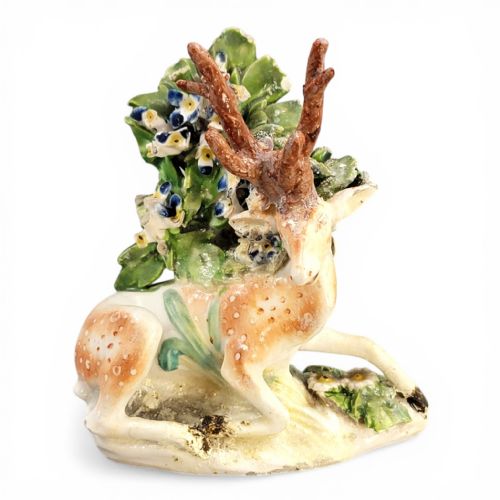


Period Ceramic Figurine
A period ceramic figurine captures human, animal, and mythological subjects in three dimensions, shaped by centuries of kiln traditions from Europe and Asia.
Period Ceramic Figurine
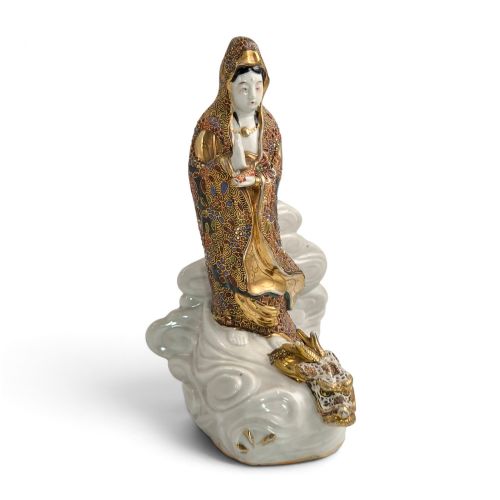
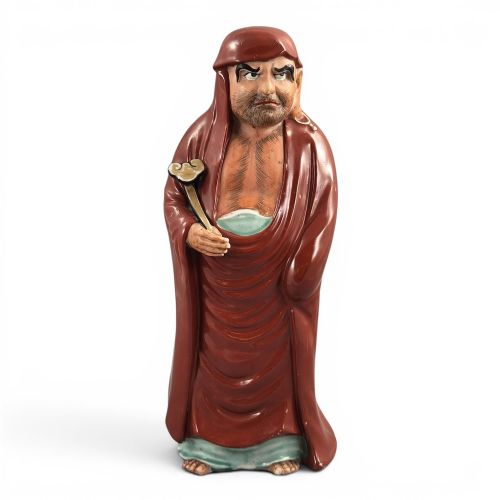
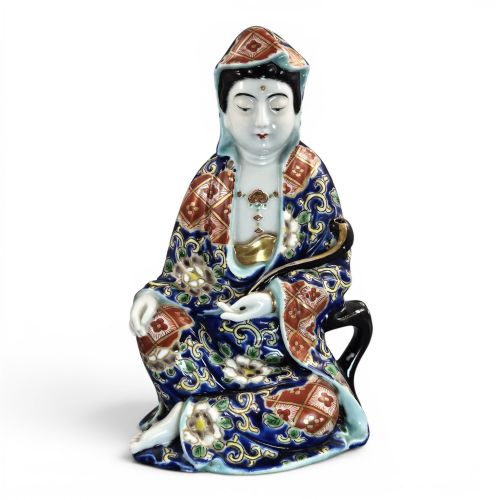
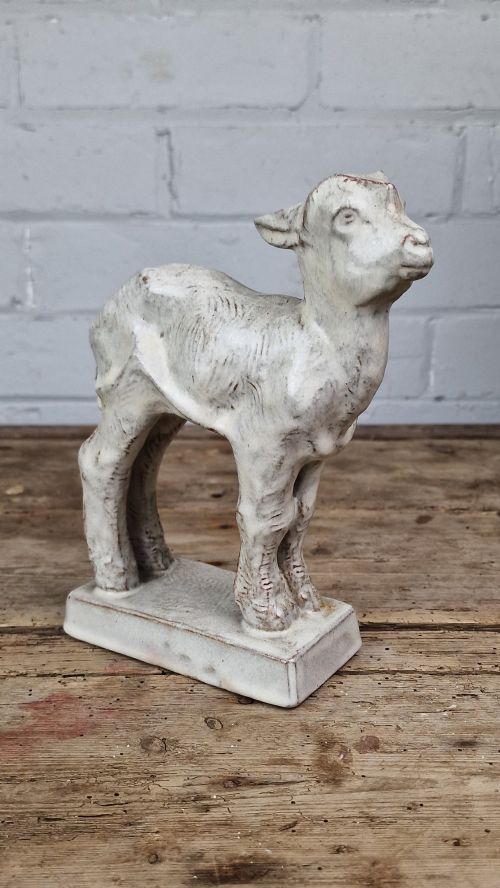
When you search for a period ceramic figurine, you encounter sculptural works spanning the eighteenth, nineteenth, and early twentieth centuries. These pieces represent deities, historical figures, animals, and mythological subjects modelled in porcelain, earthenware, and terracotta.
European examples on this page derive primarily from eighteenth-century Georgian factories like Derby and Chelsea, alongside nineteenth-century Meissen and Royal Worcester productions. These works often depict classical figures, musicians, or allegorical groups in modelled glaze and enamel.
Asian examples comprise Japanese Kutani, Satsuma, and Hirado wares, alongside Chinese Qing period porcelain. These include figures of Kannon, Daruma, guardian lion dogs, and okimono studies of animals and figures from the Meiji and Taisho periods.
How they were made
The fabrication of these sculptures relies on moulded or hand-modelled clay bodies, utilising soft-paste porcelain, earthenware, and terracotta. Artisans shaped the wet clay before firing it in kilns to achieve a bisque state ready for decoration.
Surface decoration involves hand-painted enamels, applied moriage relief work, and areas of gold leaf or gilding. Transparent and coloured glazes were applied over the body, sometimes capturing turquoise or monochromatic tones before a final high-temperature or muffle kiln firing.
Period Ceramic Figurine Retail Price Guide 2026
Typical asking prices for period ceramic figurine among the pieces listed under this phrase on Sellingantiques today, from the lower quarter to the upper quarter. They describe what is for sale here now, not the wider market.
Materials represented include soft-paste porcelain, terracotta, faience, and enamelled earthenware.
What varies in quality
The distinction between tiers of quality rests upon the precision of the modelling and the finesse of the hand-painting. Superior pieces display crisp facial expressions, well-defined drapery folds, and intricate polychrome or moriage detailing without blur or excess pigment.
Makuzu Kozan II·William Duesbury Co·Jacob Petit·Kerr Binns
The Period Ceramic Figurine Glossary
- Okimono
- A Japanese decorative freestanding sculpture designed for display in an alcove or on a shelf. These carvings and ceramic figures depict deities, animals, and figures from daily life.
- Moriage
- A Japanese ceramic technique involving piped lines of slip to create raised surface decorations. Artisans often highlight these textured patterns with enamel and gold.
- Patch Period
- An era in eighteenth-century English porcelain production identified by unglazed patches on the base left by kiln props. This manufacturing mark helps date early Derby figures.
- Soft-paste Porcelain
- A ceramic composition made from white clay mixed with ground glass and other materials rather than true kaolin and petuntse. It fires at lower temperatures and develops a warm, creamy glaze.
- Famille Rose
- A palette of Chinese porcelain enamels dominated by opaque pink or rose colours introduced during the Qing dynasty. The style allows for subtle gradations of shading on figures and robes.
Period Ceramic Figurine: Frequently Asked Questions
What is a ceramic figurine?
A ceramic figurine is a small three-dimensional sculptural object shaped from clay and fired in a kiln. These pieces depict humans, animals, deities, and mythological scenes.
They serve as decorative arts designed for display on tables, mantels, and shelves. Makers apply glazes and enamels to colour and finish the surface.
How are Japanese okimono different?
An okimono is a traditional Japanese display piece intended for interior ornamentation. These figures often portray specific deities, historical figures, or animals with symbolic meaning.
They differ from European porcelain groups by focusing on distinct cultural subjects such as Kannon, Daruma, or guardian dogs. The construction utilises regional styles like Satsuma or Kutani wares.
How do I identify a Georgian figure?
Georgian period figures originate from eighteenth-century English factories such as Derby and Chelsea. These pieces often feature early manufacturing traits like unglazed patch marks on the base from kiln supports.
Subjects commonly include classical deities, shepherds, and musicians finished with hand-painted enamels. The modelling reflects rococo styles popular during the mid-eighteenth century.
How do I care for antique porcelain?
Antique porcelain and earthenware require gentle handling and stable environmental conditions. Dusting with a soft, dry brush prevents the accumulation of dirt on delicate surfaces and raised relief details.
Avoid displaying pieces in direct sunlight to protect hand-painted enamels and gold leaf from fading. Keep them away from high-traffic areas where they might be knocked over.