

Period Canvas Art
Period canvas art brings centuries of portraiture and landscape into a room through oil paint applied to woven cloth.
Period Canvas Art
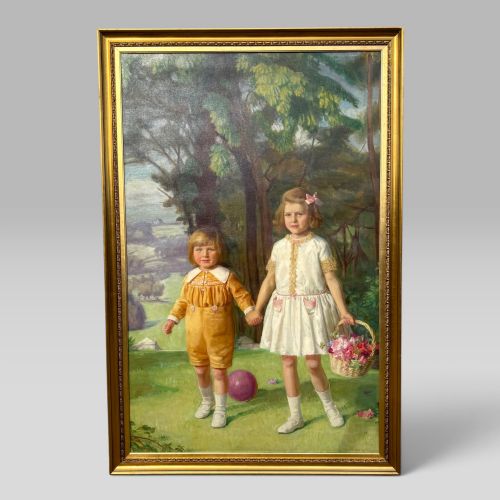
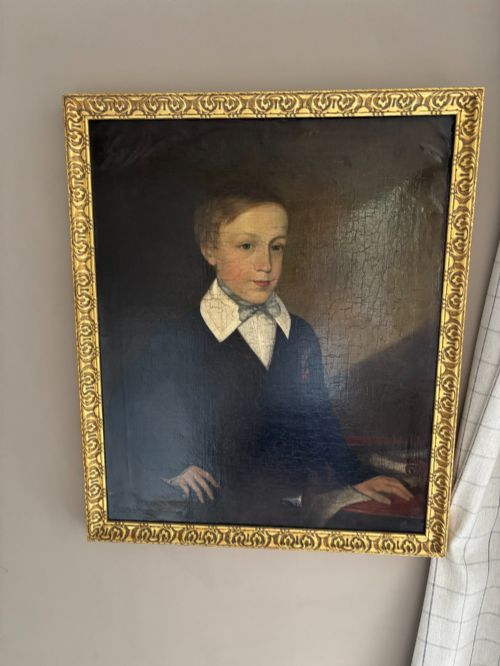
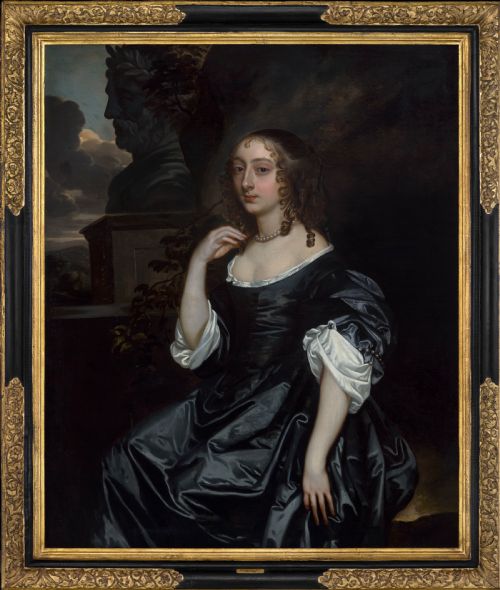
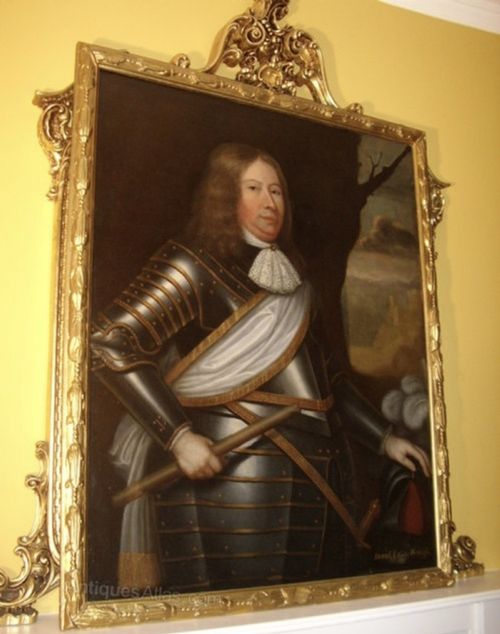
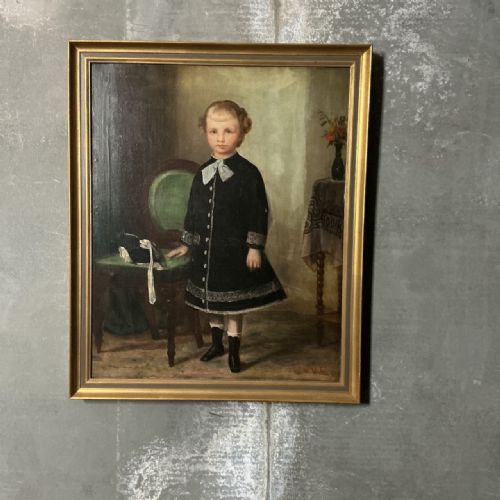
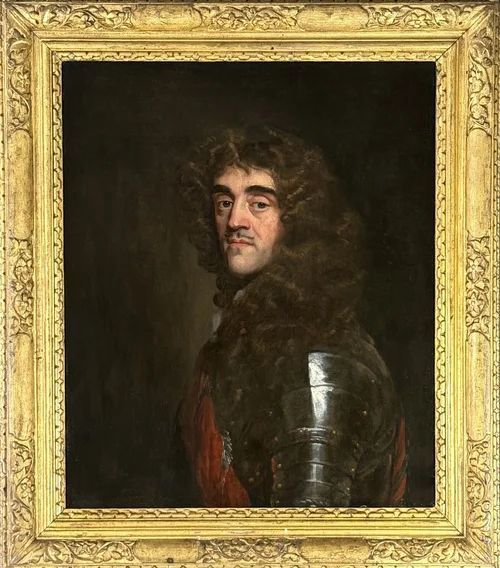
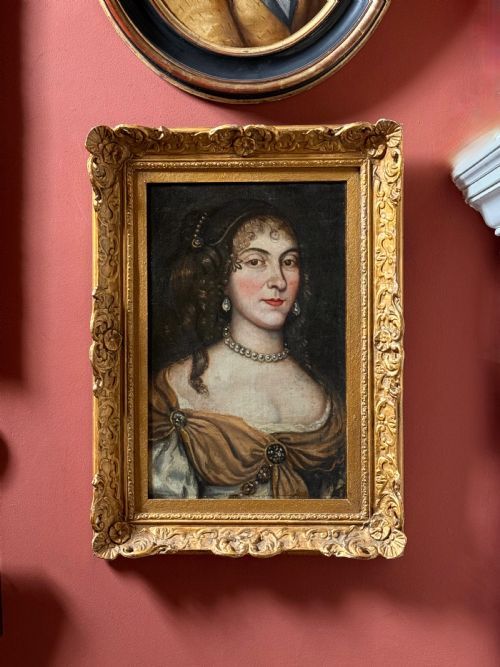
When buyers search for period canvas art, they encounter historic paintings executed primarily in oil on woven supports across several centuries. The selection centres heavily on portraiture from the seventeenth and eighteenth centuries, alongside nineteenth-century genre scenes and landscapes.
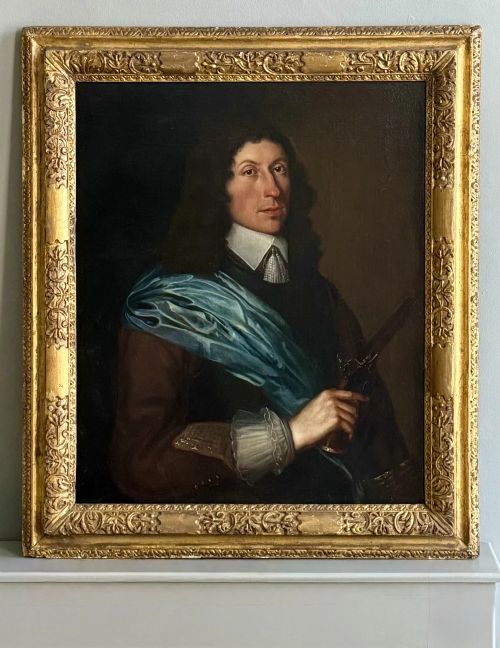
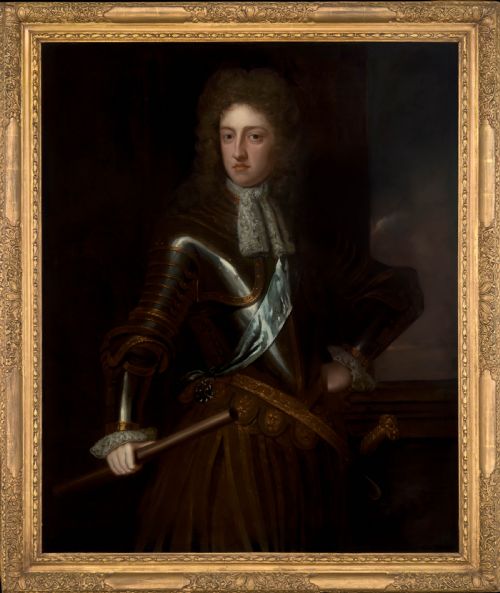
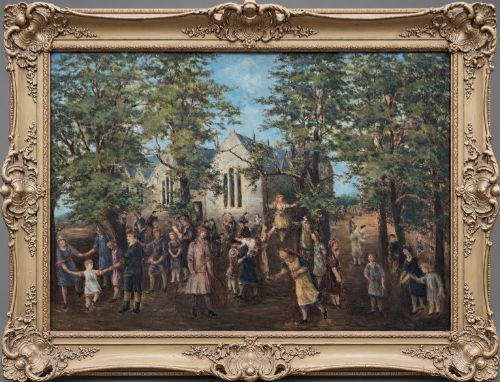
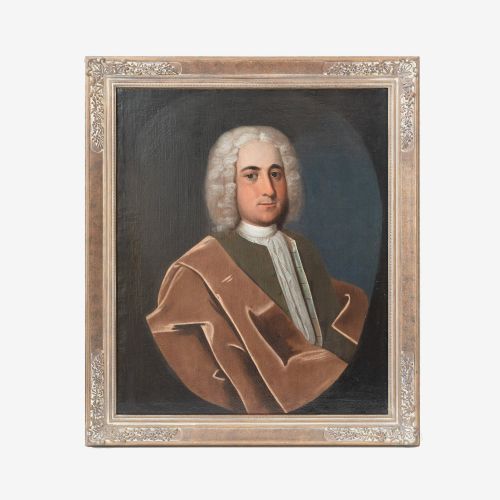
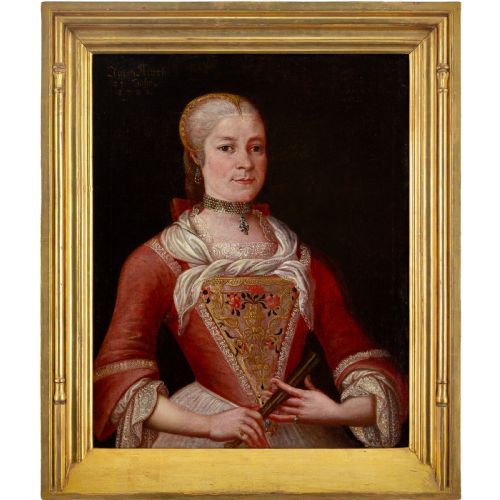
Works range from anonymous English and European school paintings to pieces associated with notable portraitists and their workshops. Forms span bust-length portraits in carved frames to larger interior gatherings and village scenes reflecting Edwardian and Victorian tastes.
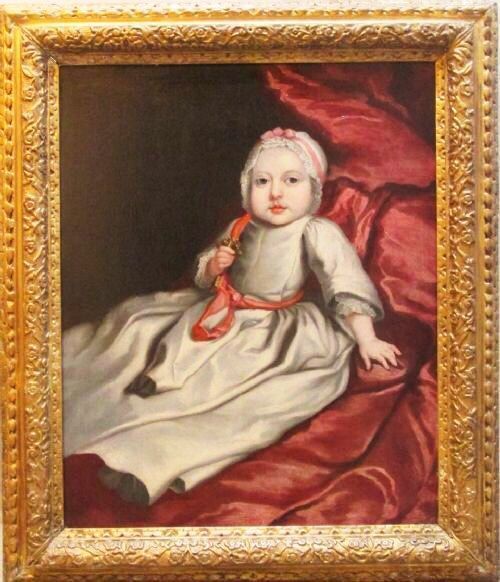
The materials rely on traditional stretching frames, primed canvas, and pigmented oils that have aged to develop characteristic craquelure and depth. Buyers find these pieces housed in period surrounds including giltwood and gold leaf frames.
How they were made
Artists built these works by stretching linen or hemp canvas over wooden frames, applying a foundational gesso or lead-white ground to seal the textile before painting. Painters then built up layers of oil paint using animal fat or plant-derived drying oils combined with earth and mineral pigments.
Finishing involved protective varnish layers applied over dried oil paint to saturate colours and guard against atmospheric soot. Frames were constructed from carved wood finished with gold leaf or giltwood highlights to complement the canvas.
Period Canvas Art Retail Price Guide 2026
Typical asking prices for period canvas art among the pieces listed under this phrase on Sellingantiques today, from the lower quarter to the upper quarter. They describe what is for sale here now, not the wider market.
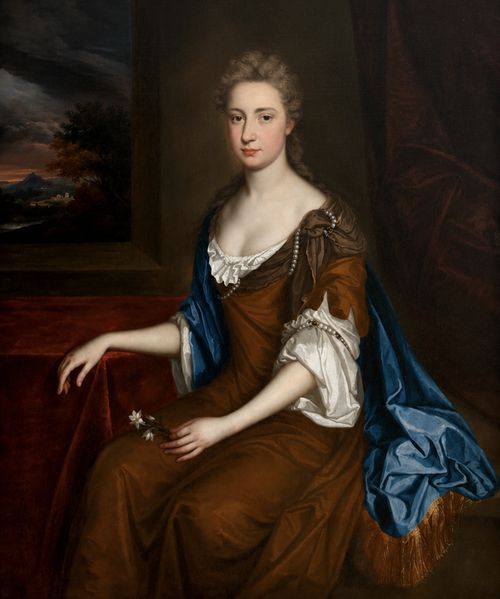
Several seventeenth-century sitters wear elaborate red sashes and heavy velvet coats designed entirely to broadcast their social rank.
What varies in quality
The survival condition of the painted surface and the original support dictates distinction. Intact original stretchers and minimal overpaint elevate a piece above works suffering from extensive relining or pigment loss.
Sir Godfrey Kneller·Sir Peter Lely·Michael Dahl·Thomas Murray·Mary Beale·Thomas Beach·Sir Allan Ramsay·John Michael Wright
The Period Canvas Art Glossary
- Craquelure
- The fine network of microscopic cracks that forms across aged oil paint surfaces as the medium hardens over centuries. This network helps experts date and authenticate period canvases.
- Giltwood
- Wood carved and coated with gold leaf or gold paint to create ornate decorative framing. These frames frequently accompany seventeenth and eighteenth-century portraits.
- Relining
- A conservation technique where a deteriorated historic canvas is adhered to a fresh backing support for structural stability. This process secures fragile woven fibres against further degradation.
- Studio of
- A designation indicating a work produced in the active workshop of a master artist, often under their direct supervision. These pieces share stylistic traits with the named painter.
Period Canvas Art: Frequently Asked Questions
How do I date a canvas painting?
Dating relies on stylistic clues within the subject's costume, hair, and accessories, alongside the construction methods of the stretcher frame and the composition of the canvas weave.
Examination of the pigment types and the natural ageing patterns of the oil paint further assists in placing the work within a specific century.
What is the difference between studio work and a master painting?
A master painting is executed entirely by the named artist, whereas studio works are produced by assistants or pupils following the master's composition and style.
Workshop pieces often display competent handling characteristic of the period but lack the distinct touch of the primary master's brush.
How should I care for an oil painting on canvas?
Keep the canvas away from direct sunlight, extreme temperature shifts, and high humidity to prevent the paint from cracking or the wood framing from warping.
Dust the surface gently with a soft, dry brush and avoid using chemical cleaners or water on either the paint or the giltwood frame.
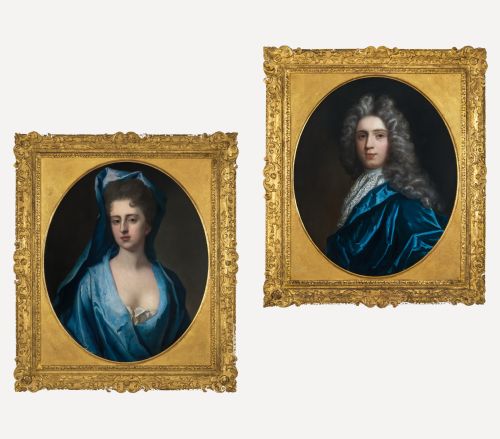
Why do some antique portraits feature painted ovals?
Painted ovals simulate stone or carved cartouche niches, a popular convention in seventeenth and eighteenth-century portraiture designed to give the subject sculptural depth.
This framing device focused the viewer's attention squarely on the sitter's face and upper body.