


Period Candle Holders
Period candle holders bring essential illumination and metalwork craft into rooms, spanning brass, bronze and mahogany across centuries.
Period Candle Holders
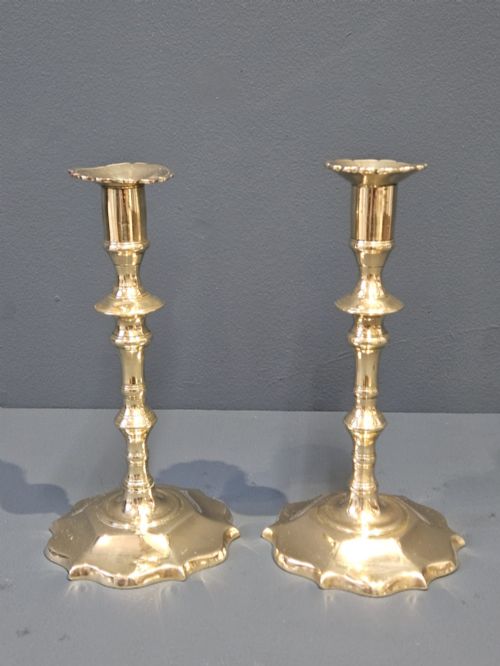
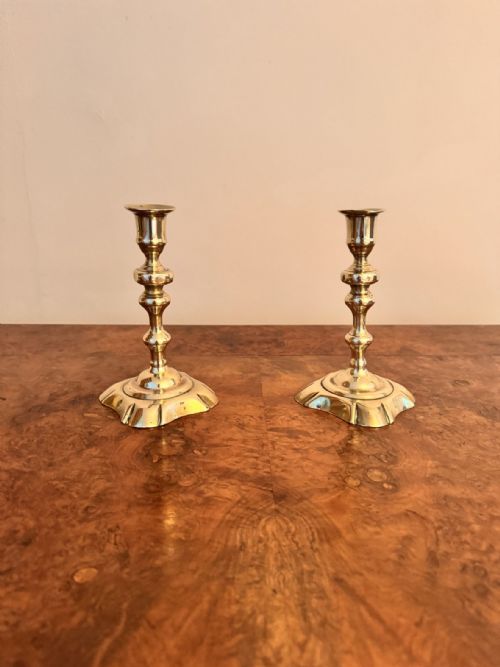
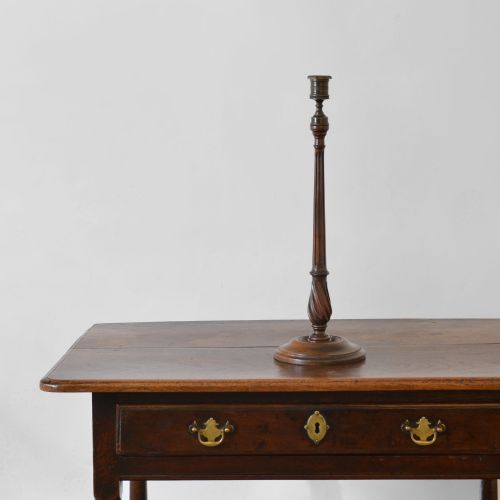
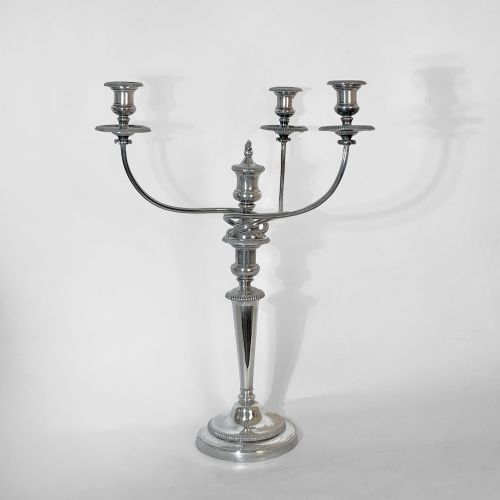
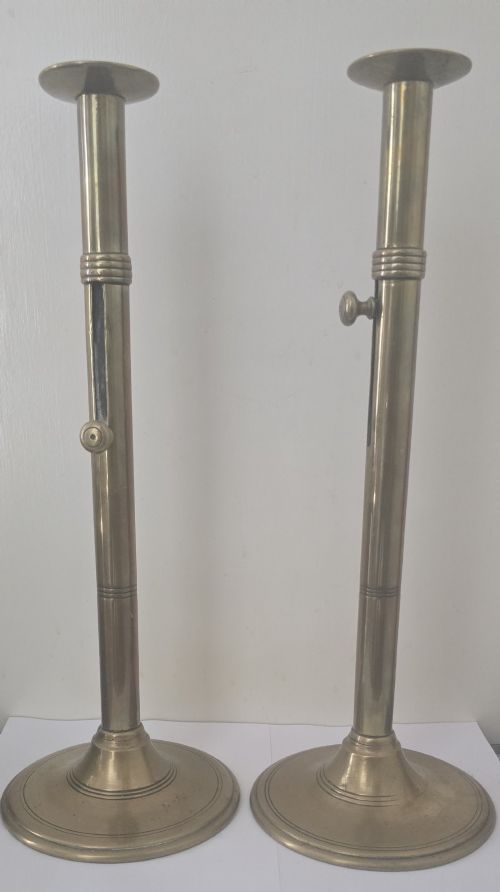
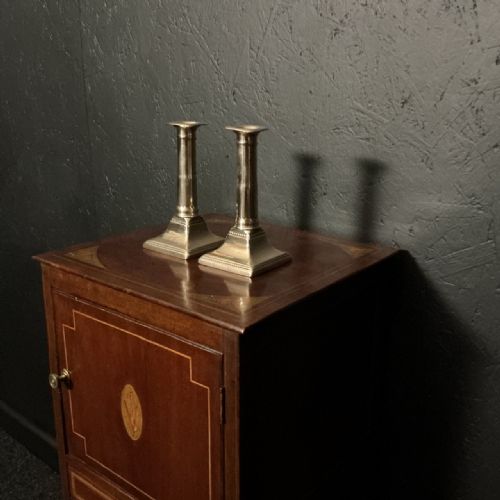
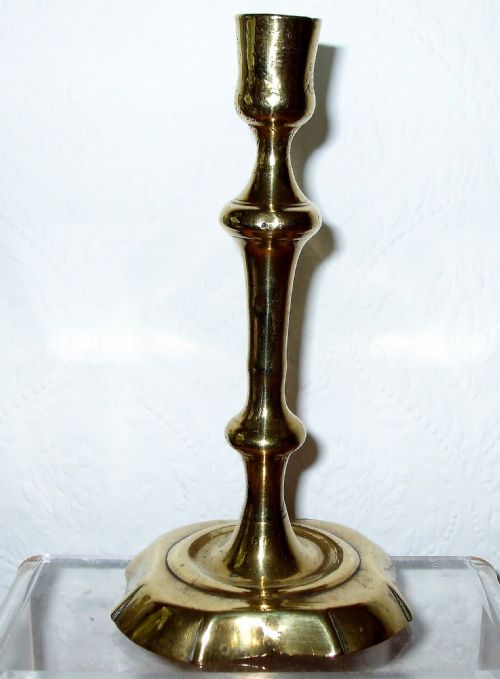
Period candle holders encompass candlesticks, multi-light candelabra, candle lamps, wall boxes, and hanging lanterns designed to hold wax or tallow candles for interior lighting. You will frequently encounter brass and bronze examples originating from the 18th and 19th centuries, alongside regional variations in mahogany, iron, and porcelain.
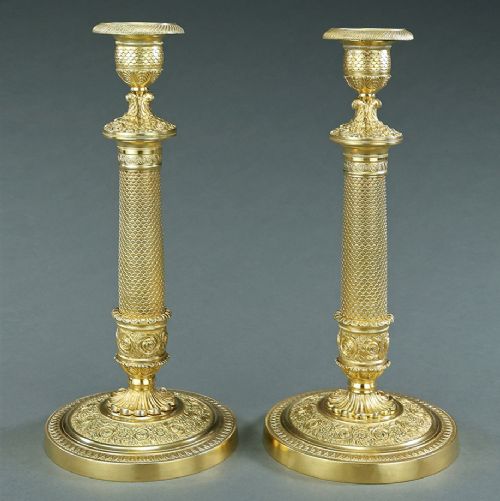
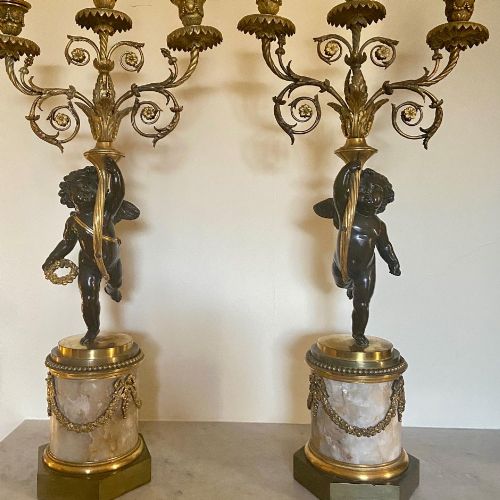
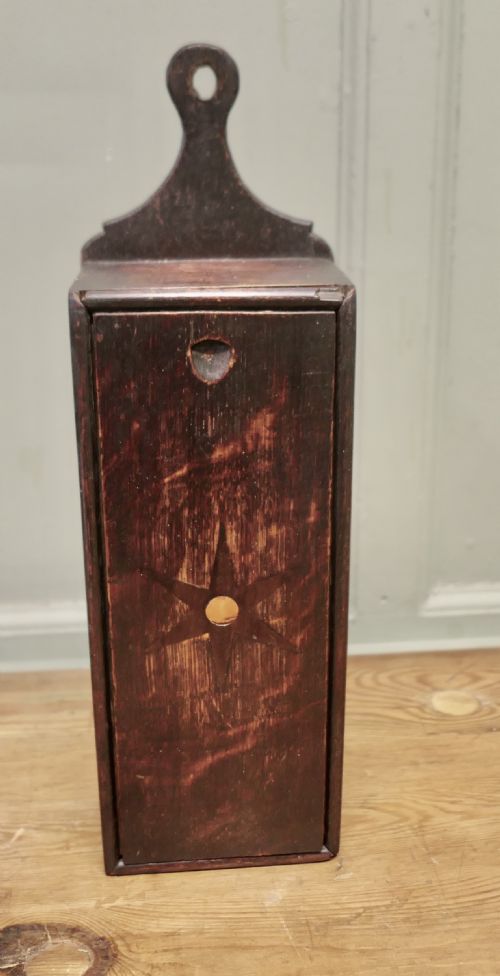
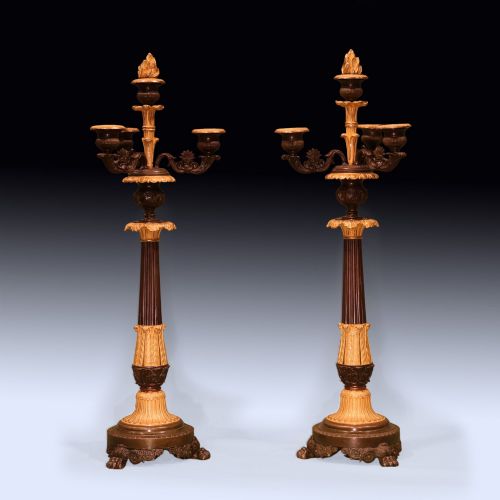
The selection ranges from simple domestic brass ejector sticks made for daily use to grand French Empire ormolu and marble candelabra intended for formal reception rooms. Alongside standard table forms, the listings include wall-hanging oak candle boxes, chamber sticks, and table lustres cut from clear glass.
Most items date from the Georgian, Regency, and Victorian eras, reflecting the domestic lighting technology of their respective decades. Buyers searching for period candle holders meet both British brass work and continental bronze, gilt-metal, and ceramic pieces.
Materials and construction
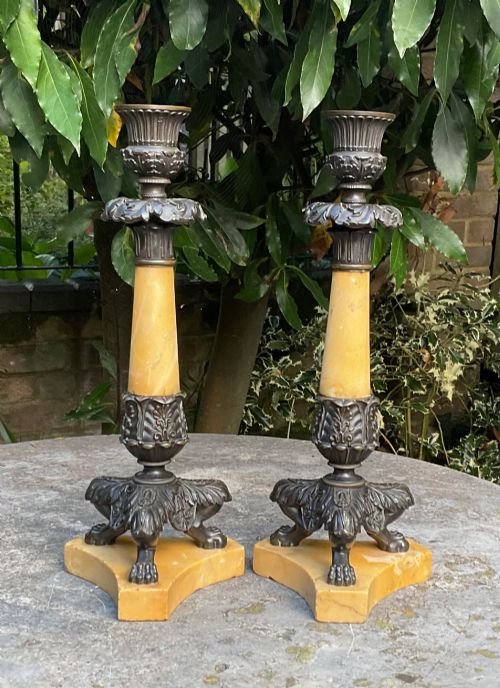
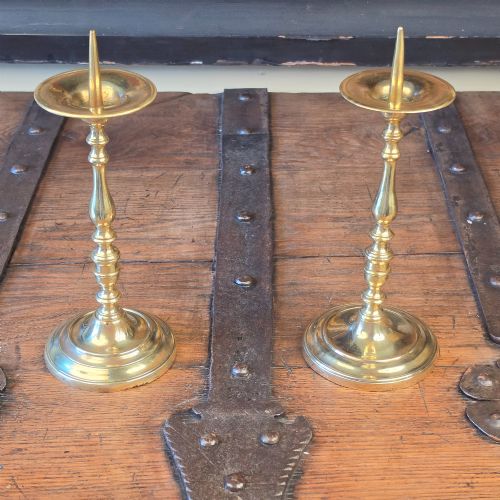
Makers utilised cast and seamed brass, often employing side ejector mechanisms to push out remaining wax stubs. Heavier pairs combine patinated bronze with marble plinths, gilt bronze, ormolu, and slate, creating substantial architectural weight for multi-light branches.
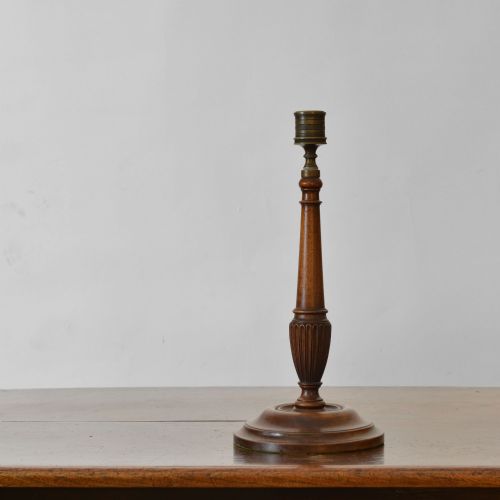
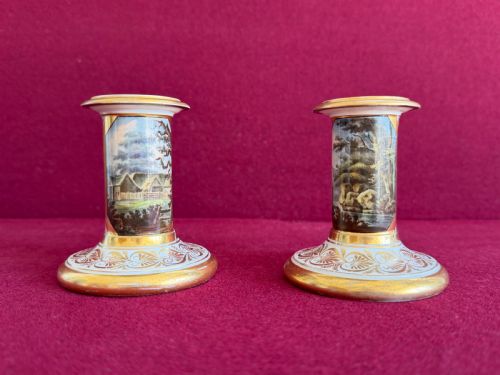
Woodwork relies on turned mahogany and wall-mounted oak construction for simple domestic holders and boxes. Glass elements appear as cut-glass table lustres, while specific continental and Japanese pieces incorporate porcelain, copper, and iron.
Period Candle Holders Retail Price Guide 2026
Typical asking prices for period candle holders among the pieces listed under this phrase on Sellingantiques today, from the lower quarter to the upper quarter. They describe what is for sale here now, not the wider market.
Some bronze putti appear alongside mineral fluorspar, proving that early decorators appreciated unusual geological textures by candlelight.
Defining quality
Quality rests in the crispness of the casting, the precision of the turning on brass and mahogany stems, and the original integrity of components like bobeches and ejector plates. Finer pieces display sharply chiselled ormolu details and well-balanced proportions on stone or marble bases rather than soft, worn casting lines.
The sophistication of the design dictates distinction, separating standard utility items from signed or documented works involving patinated bronze, fluorspar, or porcelain figures from factories such as Worcester and Derby.
Barr, Flight and Barr·Francois Redmond·Rabiat
The Period Candle Holders Glossary
- Candelabra
- A branched lighting fixture holding multiple candles on a single base. These often feature removable arms and drip pans.
- Ormolu
- Gilt bronze created by applying a mercury and gold amalgam to a bronze base, producing a bright golden finish.
- Ejector
- A concealed internal mechanism operated by a side lever to push spent candle ends out of the socket.
- Pricket
- A sharp spike rising from the centre of a drip pan to secure large altar or pillar candles.
- Lustre
- A decorative table ornament hung with cut-glass prisms that refract candle flame light across a room.
Period Candle Holders: Frequently Asked Questions
How do I clean antique brass candlesticks?
Dust gently with a soft dry cloth to preserve the natural patination built up over centuries of handling.
Avoid abrasive polishes that remove surface age and flatten the crisp detail of the original casting.
Were these holders meant for dining tables?
Many pairs stood on dining tables or sideboards to provide functional light during evening meals before the introduction of gas and electricity.
Smaller chamber sticks were carried by hand down hallways and up staircases to illuminate bedchambers.
How can I tell a Regency holder from a Georgian one?
Georgian pieces often display simpler architectural columns, sturdy turned brass profiles, or carved mahogany shafts.
Regency examples frequently incorporate classical French Empire motifs, patinated bronze, ormolu mounts, and sienna marble plinths.