




Period Brass Clock
A period brass clock brings mechanical precision and warm metalwork into a room, spanning modest wall dials and towering longcase pieces.
Period Brass Clock
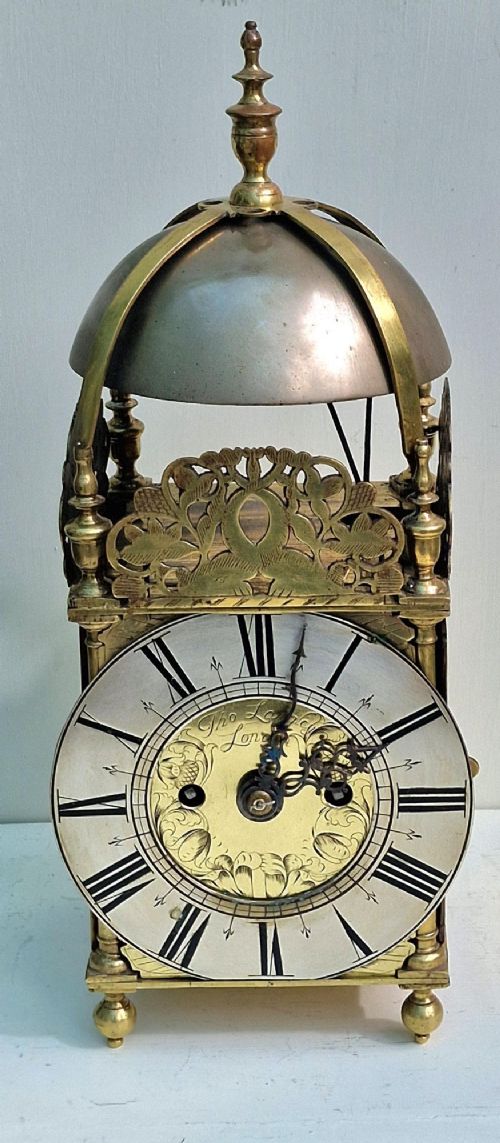
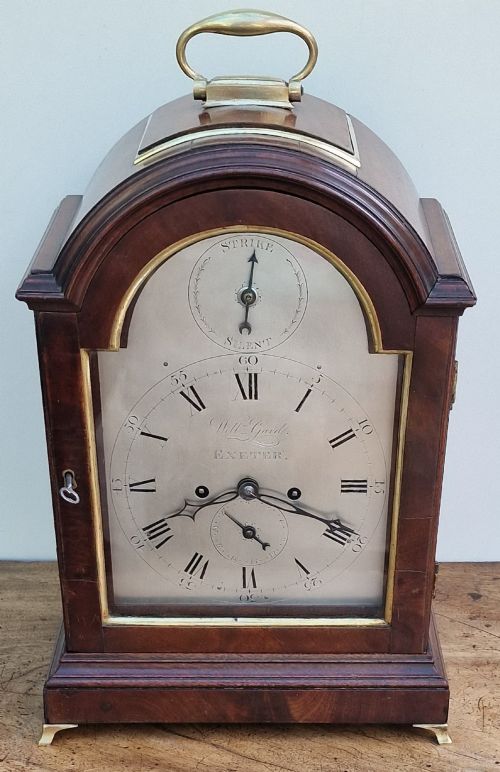
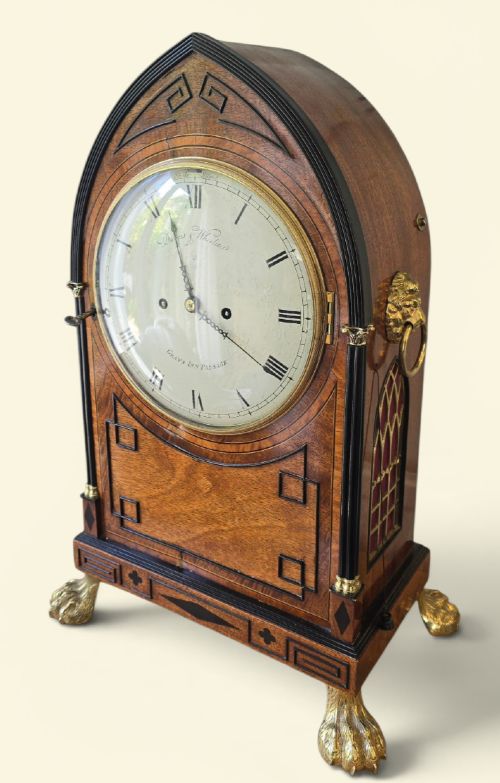
When searching for a period brass clock, you encounter a diverse range of horological forms originating from the seventeenth century through to the mid-twentieth century.
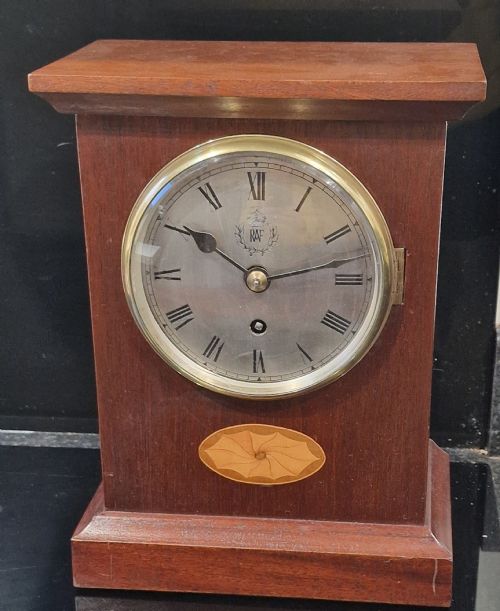
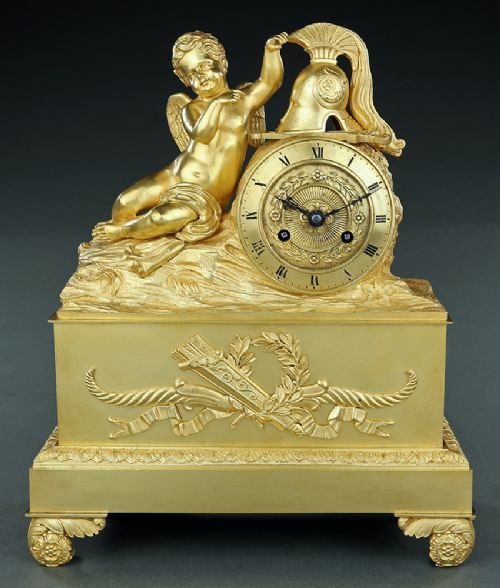
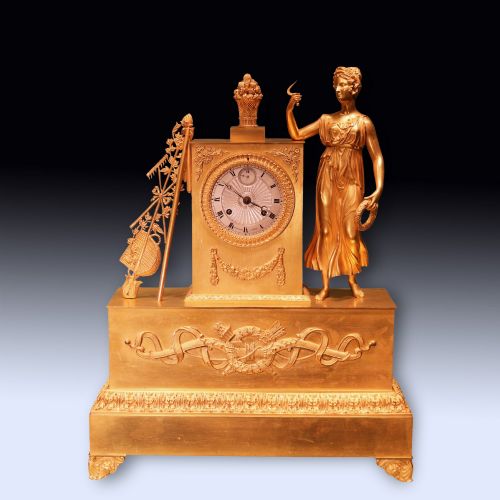
You will also find decorative French ormolu mantel clocks, French Empire designs, and utilitarian military wall dials from later eras.
Materials and movement construction
These timepieces rely on heavy brass for movements, dials, and bezels, frequently paired with cabinet timbers such as mahogany, walnut, oak, and ebony.
Many English bracket and wall clocks utilise fusee movements to maintain even tension on the gear train as the mainspring unwinds.
Decorative French and Regency examples incorporate gilt bronze, ormolu, glass, and enamel dials, while seventeenth-century lantern clocks utilise brass frames with iron components.
Period Brass Clock Retail Price Guide 2026
Typical asking prices for period brass clock among the pieces listed under this phrase on Sellingantiques today, from the lower quarter to the upper quarter. They describe what is for sale here now, not the wider market.
Listings span seventeenth-century brass lantern clocks to mid-twentieth-century military dials, using materials from oak and mahogany to ormolu and glass.
Distinguishing the finer examples
Quality rests in the crispness of the brass engraving on the dial, the proportional balance of the case timber, and the original condition of the movement components.
Master clockmakers signed their work on brass chapter rings and backplates, where fine signature engraving and high-grade finishing elevate the piece above standard production.
The integrity of the case - whether retaining original fretwork, finials, bracket feet, and fire gilding - largely determines the standing of the clock.
Thomas Langley·William Gard·Desbois & Wheeler·L. Vick·Canaillor of Paris·Samuel Tinham·Peter Closon·James Ogden Senior·William Speakman·William Clement·Joseph Saer·Williams·Taylor of London·Paul Garnier·William Hardy
The Period Brass Clock Glossary
- Fusee
- A conical pulley used in spring-driven clocks to equalise the torque of the mainspring as it runs down.
- Lantern clock
- An early domestic brass clock, typically driven by weights and designed to sit on a wall bracket or table.
- Bracket clock
- A portable spring-driven table or shelf clock, originally supplied with a matching wall bracket.
- Ormolu
- Gilded bronze, widely utilised for mounts and decorative figural cases on French and Regency mantel clocks.
- Cartel clock
- A wall clock housed in an ornate, scrolling frame made of carved wood or metal.
Period Brass Clock: Frequently Asked Questions
What is a fusee movement?
A fusee is a conical pulley connected to the mainspring via a cord or chain. It compensates for the decreasing power of the spring as it unwinds.
This mechanism ensures steady force is delivered to the escapement, which helps the clock keep accurate time throughout its running cycle.
How do I wind an antique clock?
Winding requires using the correct key on the winding arbours located on the dial face. You turn the key gently until you feel firm resistance, avoiding overwinding.
Most eight-day clocks need winding once a week, while fusee timepieces and spring-driven models follow a similar routine.
Where were lantern clocks placed?
Early lantern clocks were designed to hang on a wall from a hoop and spurs fixed to the back of the case. They stood clear of the wall so the driving weights could drop freely below.
Later versions were placed on wooden wall brackets or tabletops as domestic timekeeping became more versatile.
How do I date a brass clock?
Dating relies on stylistic clues such as dial layout, spandrel design in the corners of the face, and the shape of the case. Maker signatures and engraved backplates also provide clear chronological markers.
Technical shifts, such as the transition from verge escapements to anchor recoil movements, help narrow down the period.