




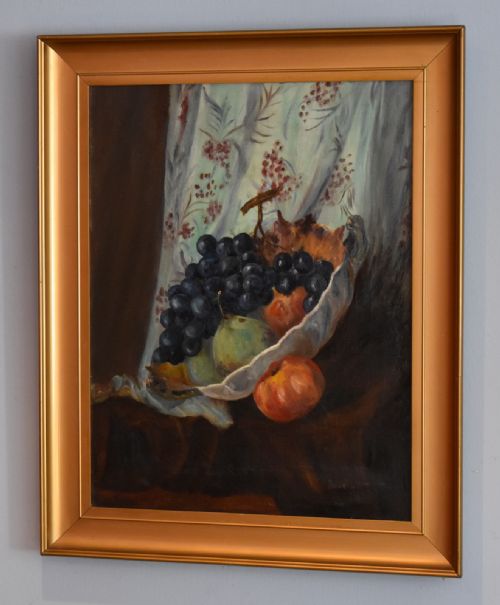


Period Artwork Decor
Period artwork decor brings historic character into a room through centuries of framed prints, oil paintings, and crafted objects.
Period Artwork Decor
Period artwork decor spans centuries of visual expression, covering oil paintings, watercolours, engravings, and decorative wall pieces. When you search for this phrase, you encounter framed portraits, hunting scenes, and still life compositions alongside Japanese woodblock prints and decorative vases.
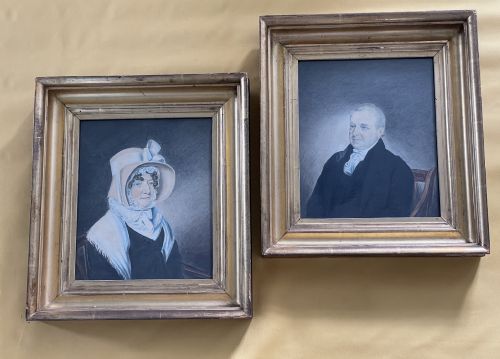
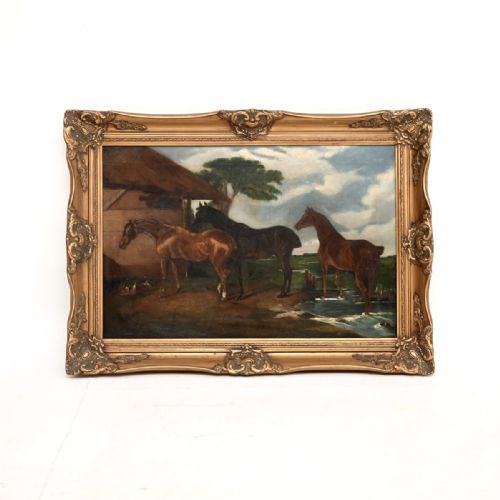
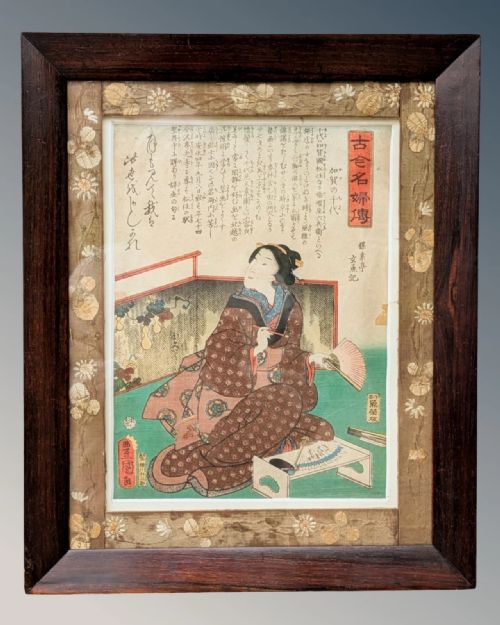
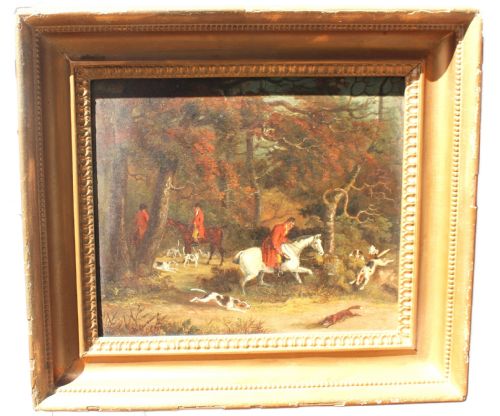
The pieces most frequently met on this page date from the Georgian and Regency eras, alongside nineteenth-century works and Japanese Meiji period items. These objects include framed prints, oil paintings on canvas, and reverse glass prints housed in original or period-appropriate frames such as giltwood and rosewood.
Subjects range from formal portraits of ladies and gentlemen to animal studies, horses, and character watercolours. Each item brings a distinct historical material presence to a wall, tabletop, or display space.
Standards of execution
The integrity and age of the framing materials also contribute significantly to the overall merit of a piece. Original giltwood frames, rosewood surrounds, and period glass preserve the context and visual harmony of the artwork.
Condition stability across canvas, paper, and lacquer surfaces dictates longevity, with superior examples retaining their original pigments and structural mounts without heavy restoration.
Period Artwork Decor Retail Price Guide 2026
Typical asking prices for period artwork decor among the pieces listed under this phrase on Sellingantiques today, from the lower quarter to the upper quarter. They describe what is for sale here now, not the wider market.
Materials represented across the selection include giltwood, rosewood, canvas, bronze, and hand-coloured paper.
The Period Artwork Decor Glossary
- Giltwood
- Wood carved and coated with gold leaf or a gilt finish. It forms decorative frames that catch the light.
- Ukiyo-e
- A genre of Japanese art flourishing from the seventeenth through nineteenth centuries. Artists produced woodblock prints and paintings of landscapes, history, and theatre.
- Reverse glass print
- An image painted or transferred onto the reverse side of a glass panel. Viewers look through the glass to see the finished composition.
- Regency
- A period in British history spanning the early nineteenth century. Furniture, art, and decor from this time favour classical restraint and elegance.
Period Artwork Decor: Frequently Asked Questions
How do I hang heavy oil paintings safely?
Heavy oil paintings require picture hooks secured directly into wall studs or appropriate wall anchors. Weight limits on fixings should exceed the combined weight of the canvas and its heavy wood frame.
Ensure the hanging wire or D-rings on the back are securely fastened to the frame sturdily. Check the positioning with a spirit level before committing the piece to the wall.
Can I display paper prints in direct sunlight?
Paper prints, watercolours, and hand-coloured engravings are sensitive to ultraviolet light. Direct sunlight causes fading of pigments and yellowing of the paper support over time.
Position these works away from windows or utilise museum-grade UV-filtering glass when framing. Rotating displays helps protect fragile works on paper from prolonged light exposure.
How do I clean antique gilt frames?
Antique gilt frames accumulate dust and dirt within their carved recesses over decades. Use a soft, dry artist brush or ostrich feather duster to gently lift surface particles.
Avoid using water, chemical cleaners, or abrasive cloths, as moisture strips the fragile gold leaf and gesso layers. Consult a professional restorer if deeper cleaning becomes necessary.
What is a reverse glass print?
A reverse glass print is created by applying an image or transfer directly onto the back of a glass sheet. The artist paints fine details first so they appear correctly oriented through the front.
These prints often feature delicate dome-fronted glass panels that protect the fragile pigment layer underneath. They require careful handling to prevent pressure on the glass surface.