


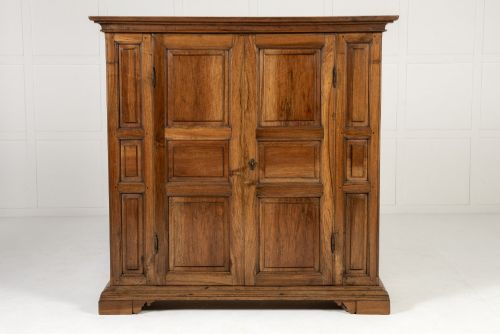


Period Armoire
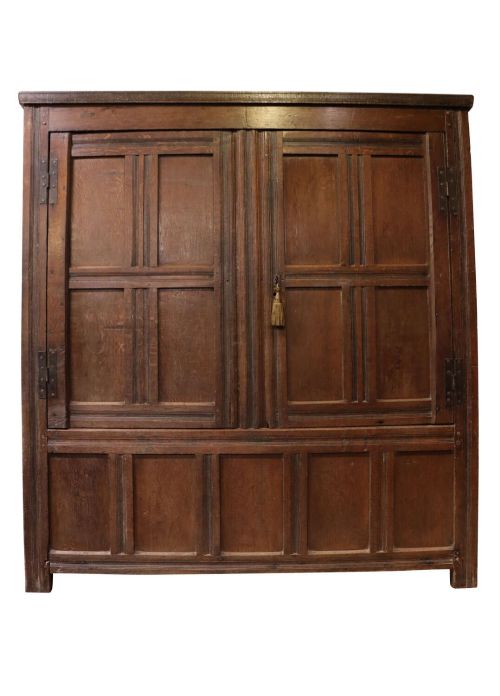
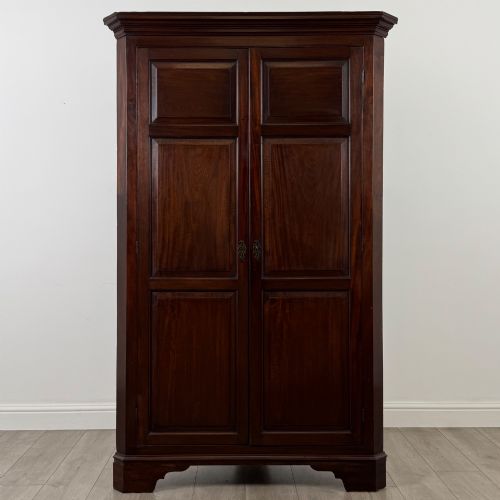
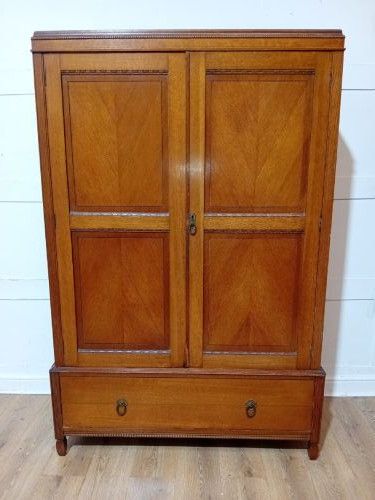
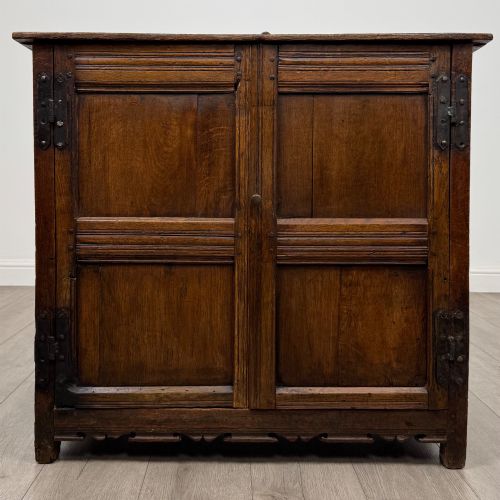
A period armoire offers generous storage rooted in centuries of craft, bringing substantial presence and rich timber grains to a room.
Period Armoire
When you search for a period armoire, you encounter substantial storage furniture spanning seventeenth-century oak panels through to nineteenth-century mahogany presses and wardrobes. These pieces originate from diverse European workshops, encompassing English country houses, Irish workshops, and continental ateliers.
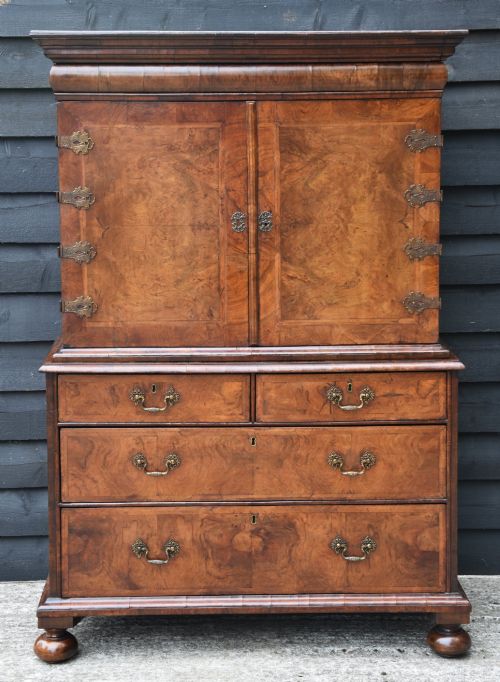
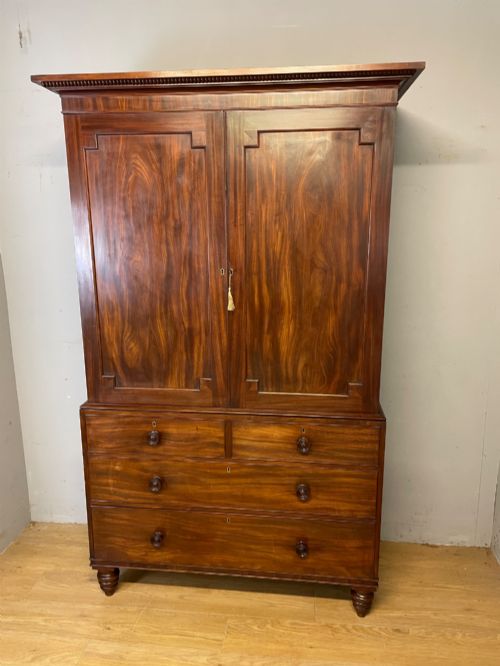
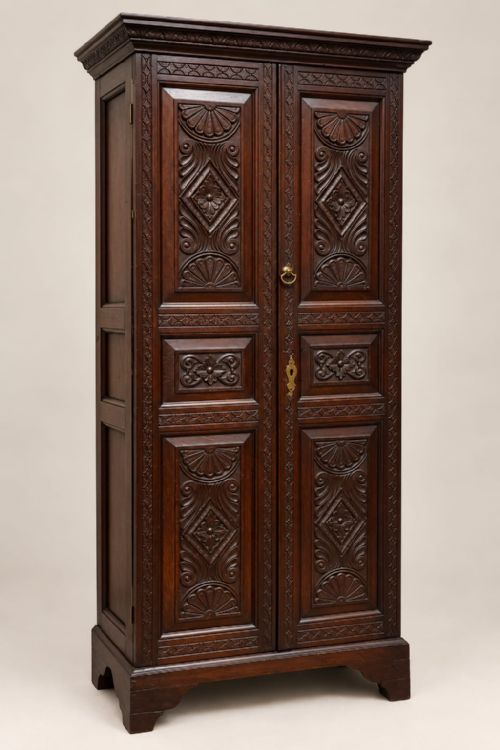
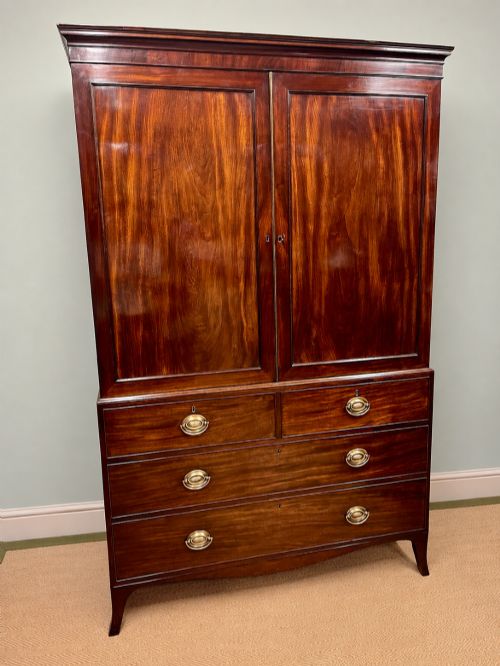
The most common examples on this page are Georgian and Regency mahogany linen presses and wardrobes. Buyers also meet earlier seventeenth-century oak cupboards alongside specialised forms such as cabinet on chest constructions and corner cabinets.
Makers utilised resilient native and imported timbers, resulting in large functional cabinets designed to hold linen, garments, and household valuables. Each piece reflects the domestic storage needs and stylistic preferences of its specific period.
Distinctions in quality and execution
Superior examples demonstrate careful timber selection, where wood grain matches symmetrically across large doors and drawer fronts. The crispness of carved mouldings, such as swan-neck pediments and fielded panels, separates standard utility pieces from high-status commissions.
Internal configuration also dictates quality, distinguishing simple hanging spaces from complex fitted linen presses with original sliding trays. The retention of original brass handles, locks, and working keys contributes substantially to the integrity of a piece.
Period Armoire Retail Price Guide 2026
Typical asking prices for period armoire among the pieces listed under this phrase on Sellingantiques today, from the lower quarter to the upper quarter. They describe what is for sale here now, not the wider market.
Materials span native oak and imported mahogany, walnut, kingwood, and lacquered finishes.
Harris Lebus
The Period Armoire Glossary
- Linen press
- A tall cupboard featuring upper doors enclosing sliding trays for folded textiles, placed above a base section of drawers. This form was essential for storing household linens before fitted wardrobes became standard.
- Compactum
- A multi-compartment wardrobe combining hanging space, drawers, and shelving within a single unified carcase. These items emerged around the turn of the twentieth century to maximise bedroom storage.
- Cabinet on chest
- A tall case furniture form consisting of an upper display or storage cabinet mounted upon a lower chest of drawers. This construction style gained prominence during the seventeenth and early eighteenth centuries.
- Flame mahogany veneer
- Thin slices of mahogany cut from burls or fork joints to create a distinctive flickering flame pattern. Cabinet makers applied these veneers to primary display surfaces for decorative impact.
- Pediment
- The decorative architectural structure surmounting the top of a large cabinet or armoire. Styles range from simple flat cornices to elaborate swan-neck designs with carved terminals.
Period Armoire: Frequently Asked Questions
What is the difference between a linen press and a wardrobe?
A linen press traditionally contains internal sliding wooden trays behind its upper doors, designed for storing folded textiles rather than hanging garments. Wardrobes focus primarily on vertical space for hanging clothes on rails or hooks.
Over time, many linen presses underwent interior conversion to accommodate modern clothes hangers. Examining the internal configuration reveals whether a piece retains its original presses or received later hanging conversions.
Where should I place a large period armoire?
These large cabinets require substantial wall space and stable environmental conditions away from direct heat sources and strong sunlight. Bedrooms and large hallways provide traditional settings that accommodate their height and depth.
Ensure your chosen location has sufficient ceiling clearance for assembly, particularly with multi-part pieces like cabinet on chests and linen presses. Floor strength is also worth considering given the considerable weight of solid hardwood construction.
How do I distinguish Georgian mahogany from Regency mahogany?
Georgian mahogany furniture from the eighteenth century often employs dense, dark Cuban timber with subtle figuring and robust architectural proportions. Carved details like bracket feet and dentil cornices frequently characterise this era.
Regency pieces from the early nineteenth century favour brighter flame mahogany veneers, classical brass mounts, and cleaner structural lines inspired by ancient Roman forms. Sabre legs, reeded columns, and brass inlay become more prevalent in this later period.