
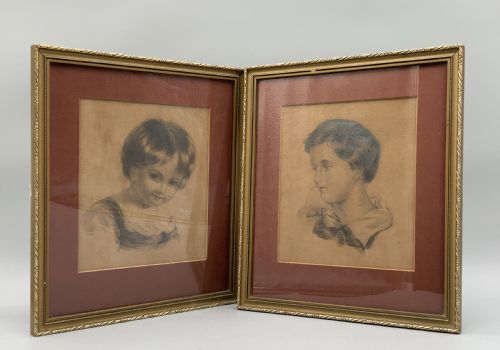




Pencil Portrait Study
When you search for a pencil portrait study, you open an intimate window into historical draftsmanship, capturing individual likenesses through immediate, unvarnished graphic marks.
Pencil Portrait Study
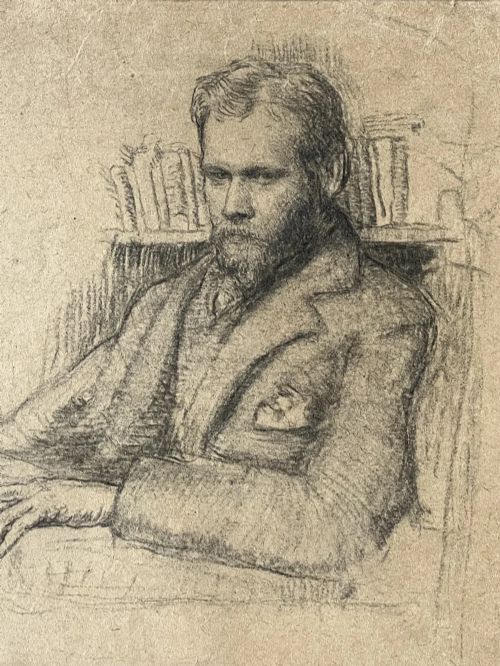
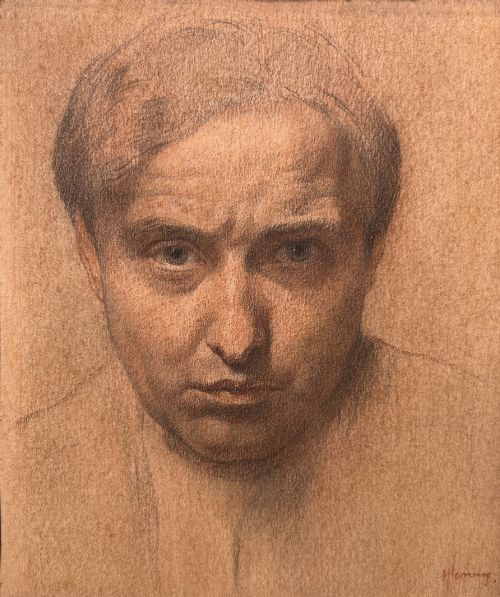
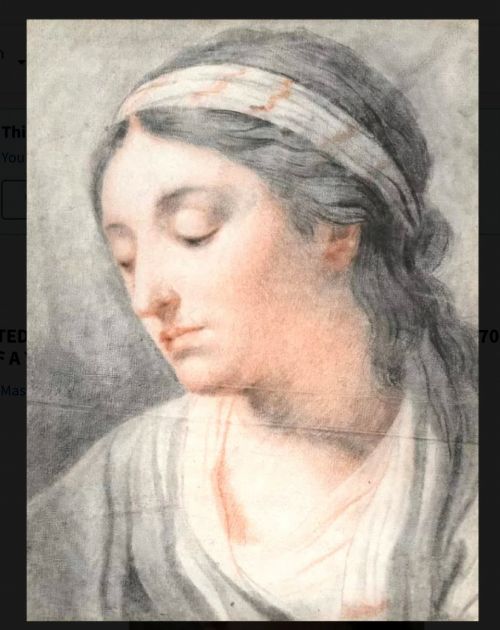
A pencil portrait study is a work on paper focusing on the likeness and character of an individual sitter, executed primarily in graphite, charcoal, or chalk. You are most likely to encounter 19th-century and early 20th-century examples on this page, reflecting periods ranging from the Victorian era through Art Deco and Modern British movements.
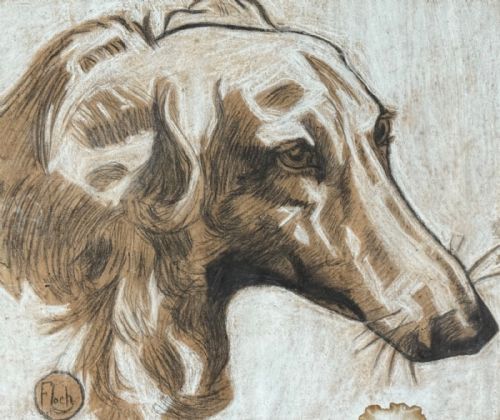
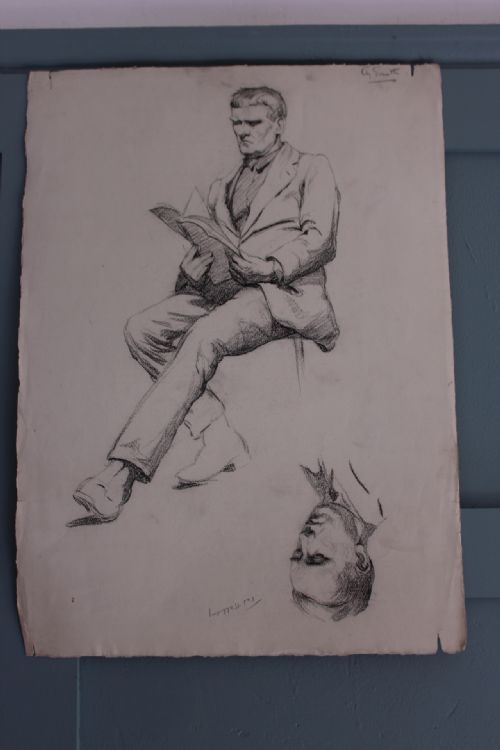
These works function as both finished artistic expressions and preparatory exercises for larger painted commissions. The subjects span diverse figures, from named historical personalities and artists to anonymous sitters and animal studies rendered with direct observation.
Framed art and wall drawings dominate the selection, preserved behind glass within traditional wooden framing. They offer direct insight into the daily practice of academic realism and studio portraiture across British and continental schools.
How they were made
The technique relies on rapid, expressive hatching and tonal shading to build facial volume and depth without the heavy layers associated with oil painting. Studio drawings often exhibit visible working lines and corrections, preserving the immediate thought process of the artist.
The archive and current selection include works attributed to French, British, and African schools of portraiture.
What varies in quality
Quality rests upon the sureness of the draftsmanship and the psychological depth captured in the sitter's expression. Masterful handling of line conveys bone structure and personality with minimal effort, whereas lesser examples rely on stiff, mechanical outlines.
The preservation of the paper support and the sensitivity of the tonal gradation dictate the visual impact of the piece. Works that retain the freshness of their initial charcoal or graphite marks without excessive fading command greater visual authority.
Augustus John·Raoul Millais·Dame Laura Knight·Theobald Chartran·Ernest Borough Johnson·Francis Dodd·Harry Epworth Allen·Harold Hope Read
The Pencil Portrait Study Glossary
- Works on paper
- A classification encompassing drawings, sketches, and prints executed on various paper substrates. This term groups together delicate mediums that require preservation behind glass.
- Academic realism
- An artistic style and method born from the European academies of art, emphasising precise anatomical accuracy and polished observation. Works in this vein show rigorous attention to human proportions and light.
- Charcoal
- A dry drawing medium made from organic charred material, prized for deep blacks and velvety texture. It allows artists to achieve rapid tonal blocking and expressive smudging.
- Buff paper
- A pale, brownish-yellow paper stock used frequently by draftsmen to provide a neutral background tone. This surface permits the effective use of both dark pencils and white highlights.
Pencil Portrait Study: Frequently Asked Questions
What is a pencil portrait study?
A pencil portrait study is a drawn representation of a person's face and upper body, created to capture likeness or explore composition.
These works serve as direct evidence of an artist's hand, showing the unedited marks and strokes used to define a human subject.
How were these drawings displayed?
These works on paper are traditionally mounted beneath glass within wooden frames to protect the fragile graphite, charcoal, or chalk surfaces from atmospheric damage.
Framing styles vary from simple period mouldings to ornate antique frames chosen to complement the drawing's era.
How do I care for works on paper?
Works on paper require protection from direct sunlight and high humidity to prevent the paper support from yellowing and the media from fading.
Keeping pieces in stable indoor environments ensures the graphite and chalk layers remain stable behind their protective glass.
How do I identify the period of a drawing?
Dating relies on the costume and hairstyle of the sitter, the framing materials, and the specific signature or paper watermark where visible.
Stylistic cues such as Victorian academic hatching or 1920s Modern British linear economy also point clearly to the decade of creation.