


Pencil Portrait Drawing
Pencil portrait drawing captures human likeness through graphite, chalk and paper across centuries of artistic study.
Pencil Portrait Drawing
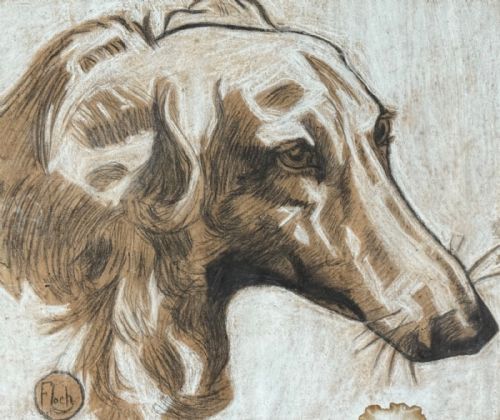
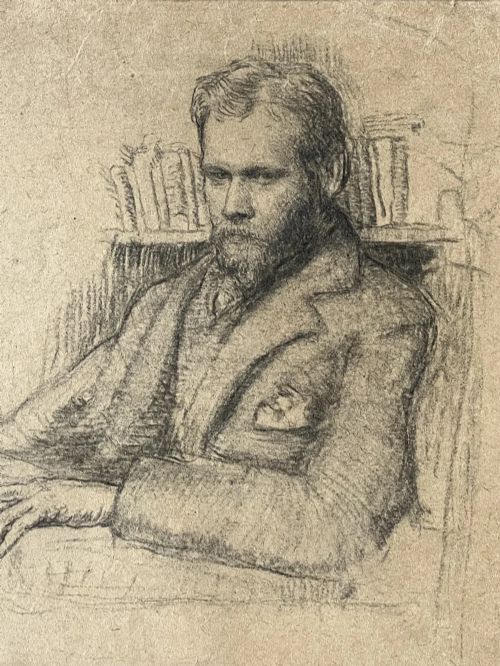
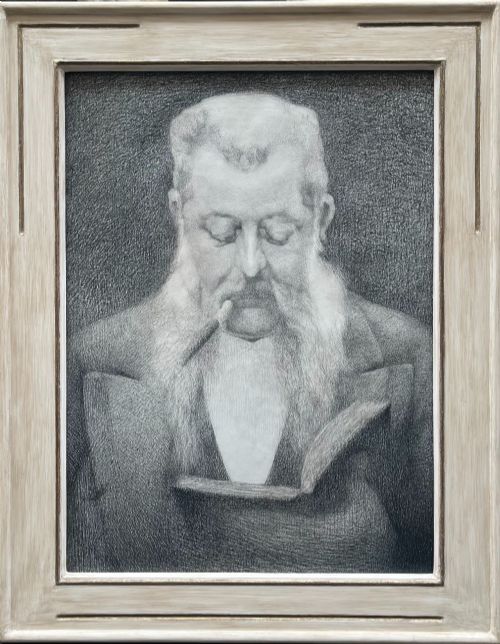
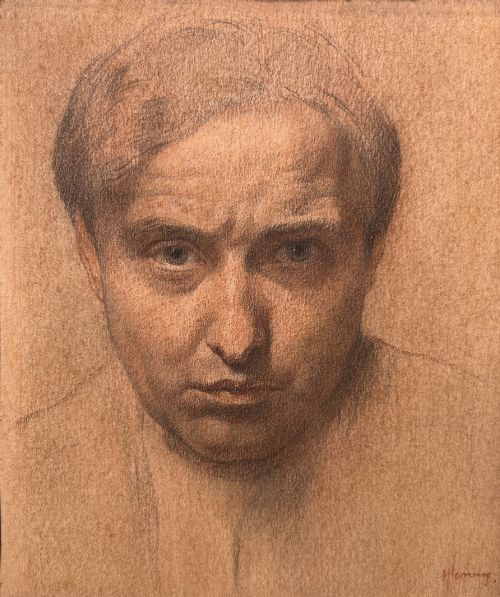
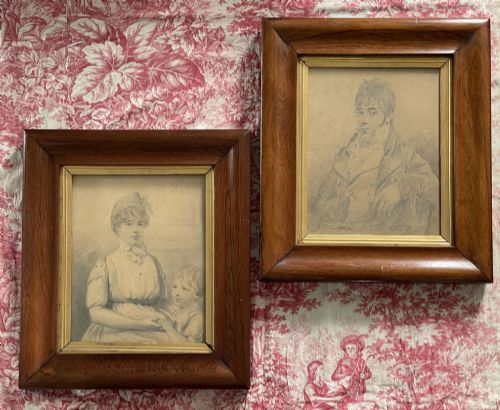
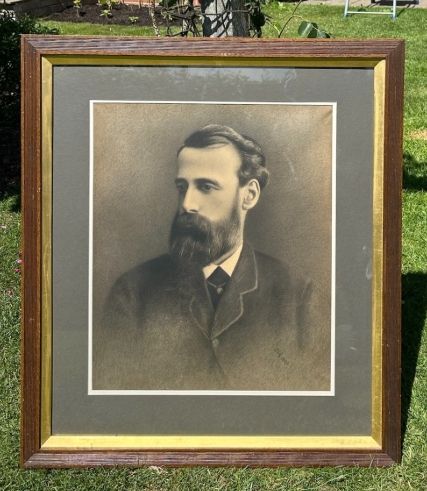
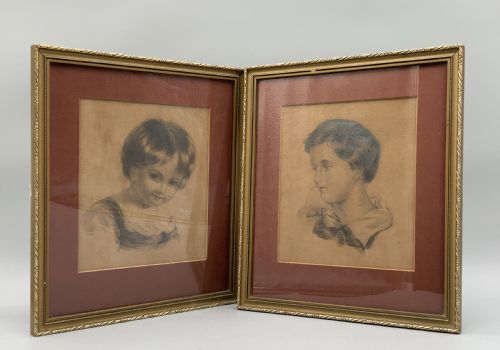
A pencil portrait drawing presents individual likenesses captured on paper, ranging from hurried compositional studies to finished exhibition pieces. Buyers seeking this phrase encounter works originating from the eighteenth century through the mid-twentieth century, encompassing Georgian plumbago studies, Victorian graphite sketches and Art Deco character drawings.
How they were made
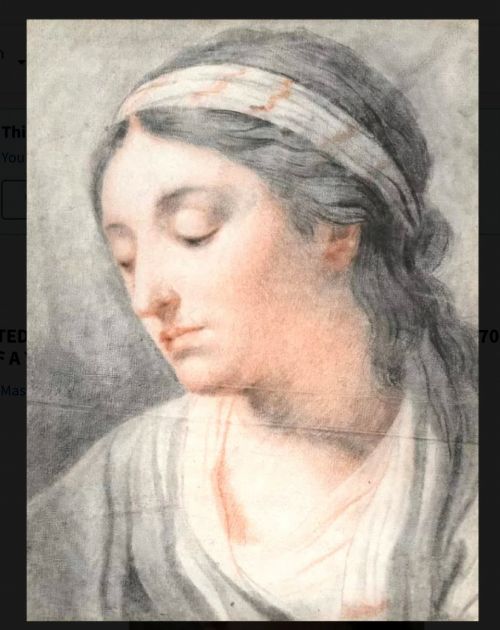
Draftsmen relied primarily on graphite, charcoal and plumbago applied to various grades of paper, occasionally incorporating chalk for highlights. Many examples augment the core pencil lines with subtle washes of watercolour, gouache or sepia to add depth and tone.
Support materials generally consist of cream, buff or white paper sheets, sometimes laid down on card or canvas. Framing typically involves wood and glass to protect the delicate medium from moisture and abrasion.
Several portraits capture family pets and faithful spaniels gazing patiently alongside their Victorian owners.
What varies in quality
Draftsmanship defines the distinction between a routine studio exercise and a masterwork. Confident, economical line work and precise anatomical proportions separate superior portraits from stiffer, hesitant renderings.
The preservation of the paper support and the vibrancy of the graphite or charcoal mark-making heavily influence overall desirability. Strong provenance linking the sitter to a recognised historical context also elevates specific works.
Augustus John·James Ferguson·John Downman·Sir George Hayter·Harry Epworth Allen
The Pencil Portrait Drawing Glossary
- Plumbago
- An early form of graphite used for highly detailed, miniature portrait drawings. Plumbago drawings typically date from the seventeenth and eighteenth centuries.
- Graphite
- A crystalline form of carbon used as a drawing medium. It provides varying degrees of hardness to create subtle tonal shifts in portraits.
- Charcoal
- A lightweight carbon material made from burnt wood used for bold, expressive lines. It allows artists to achieve deep blacks and soft smudged shadows.
- Study
- A preparatory drawing executed to understand a subject or composition before a final painting. These works often reveal the immediate thought process of the artist.
Pencil Portrait Drawing: Frequently Asked Questions
How should I frame an antique drawing?
Antique works on paper require conservation-grade mounting materials to prevent acid transfer and discolouration over time. Spacers must keep the glass from touching the paper surface directly.
Keeping drawings away from direct sunlight preserves the fugitive nature of graphite and watercolour pigments. Stable indoor humidity prevents warping and foxing on the paper support.
What is the difference between a sketch and a study?
A sketch is generally a rapid notation capturing a fleeting pose or composition. It serves as an immediate visual note for the artist.
A study focuses closely on a specific element, such as a face or hand, executed with greater anatomical precision. These works often stand alone as finished pieces of art.
How do I date a graphite drawing?
Paper watermarks, framing styles and the clothing worn by the sitter offer reliable clues for dating. Stylistic conventions of the signature and inscriptions also point to specific eras.
Comparing the handling of line work to known dated examples helps narrow the production window. Georgian and Regency pieces display different stylistic traits compared to Edwardian or Art Deco works.
Are charcoal and pencil drawings fragile?
Charcoal and graphite particles rest loosely on the paper surface and can smear if handled improperly. Protective glazing remains essential for all works on paper.
Professional framing shields the delicate medium from airborne pollutants and physical contact. With proper care, these drawings remain stable across centuries.