

Pencil Drawing Sketch
A pencil drawing sketch captures the immediate touch of the hand, offering intimate portraits, landscapes, and studies valued for their directness.
Pencil Drawing Sketch
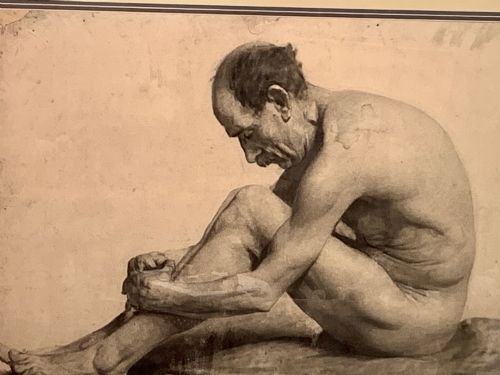
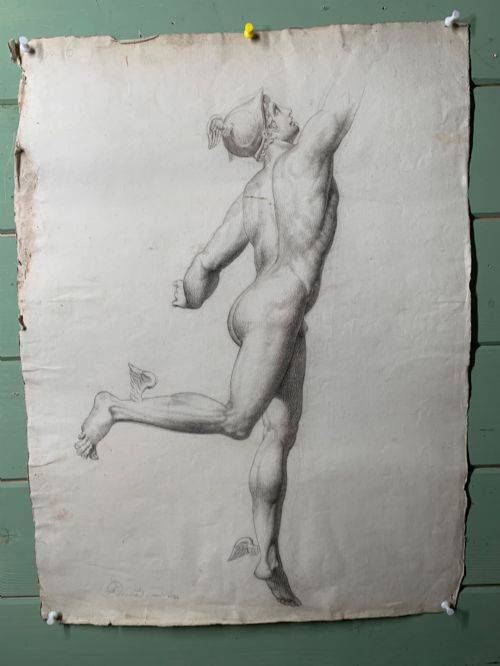
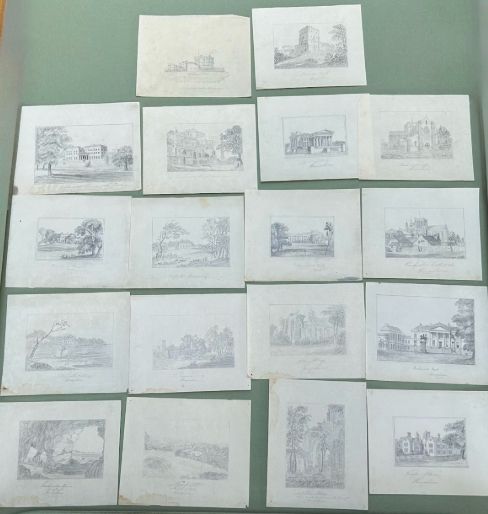
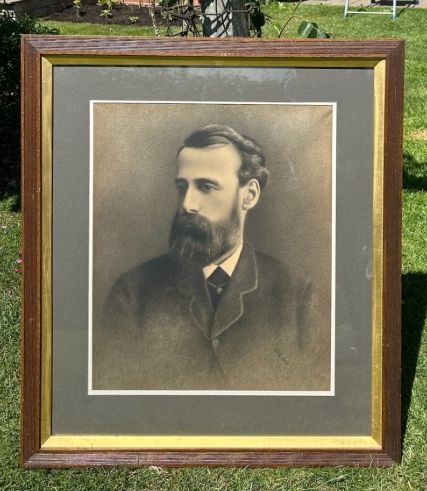
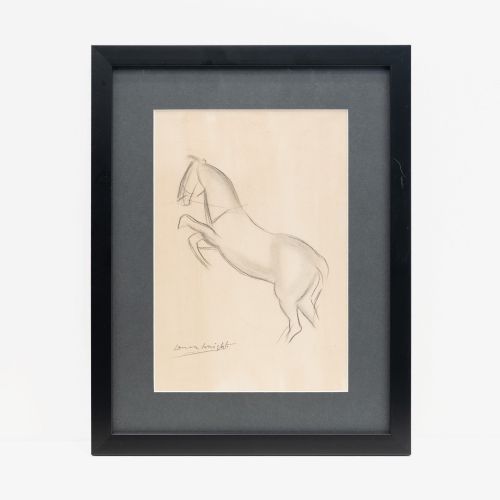
When searching for a pencil drawing sketch, a buyer encounters original works on paper spanning the eighteenth, nineteenth, and twentieth centuries. These pieces encompass academic studies, portraits, and landscape views executed by hand.
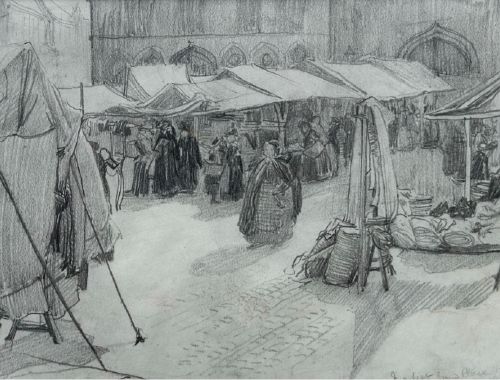
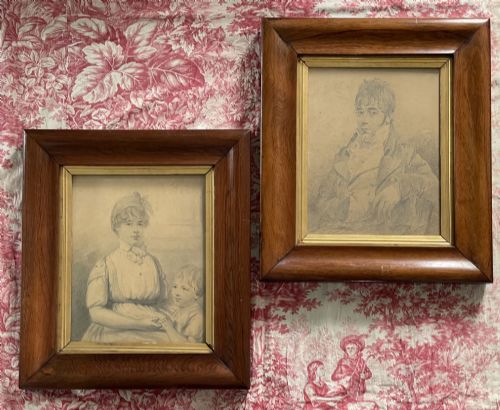
The versions most commonly met on this page include nineteenth-century portraiture, architectural and figurative sketches, and works produced during the Regency and Edwardian periods. Examples range from loose compositional sheets to finished framed artworks.
How They Were Made
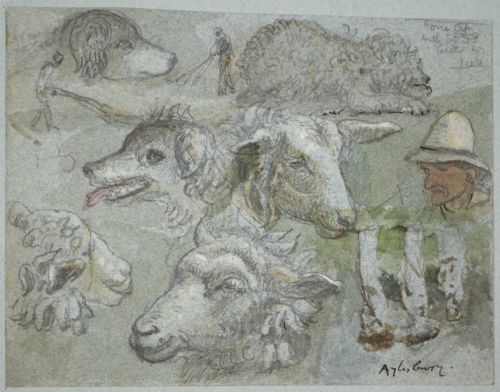
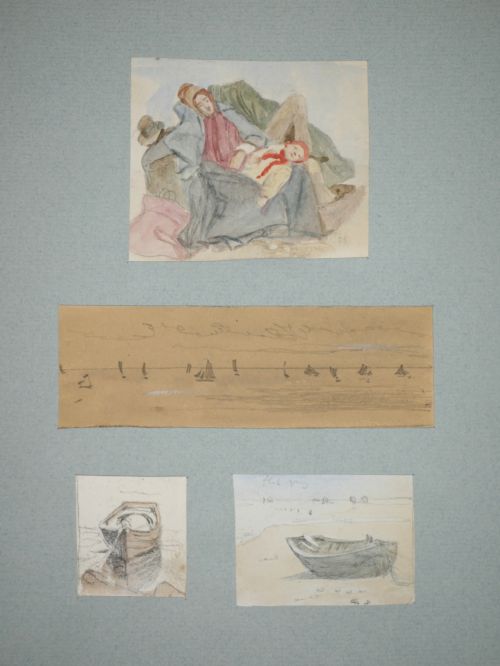
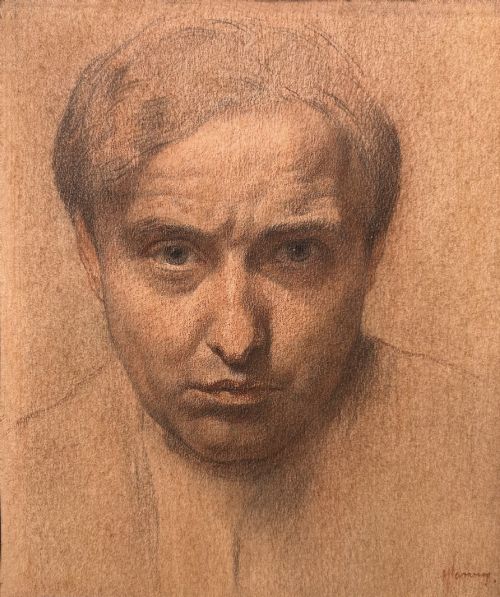
These works rely primarily on graphite, charcoal, and pencil applied directly to paper or buff paper sheets. Artists frequently combined media, introducing touches of watercolour, chalk, or gouache to add tone and depth.
Support materials consist chiefly of historic paper housed within wood and glass framing. Many items originate from studio collections, retaining the original mounting and conservation state of their period.
Pencil Drawing Sketch Retail Price Guide 2026
Typical asking prices for pencil drawing sketch among the pieces listed under this phrase on Sellingantiques today, from the lower quarter to the upper quarter. They describe what is for sale here now, not the wider market.
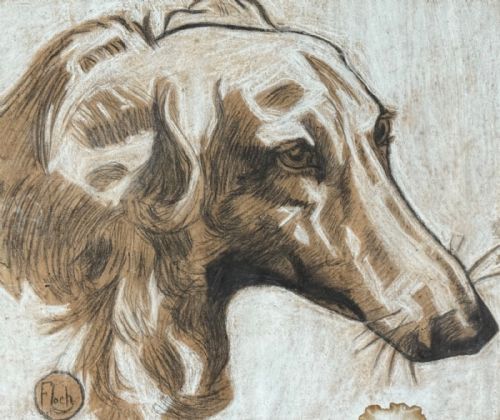
A solitary Borzoi dog gazes out from buff paper, forever preserved in the sharp company of Art Deco pencil and gouache.
What Varies in Quality
Quality rests upon the sureness of the hand and the expressive strength of the line. Confident, economical strokes distinguish accomplished studies from rigid or hesitant academic exercises.
Condition and provenance further define the piece, particularly the preservation of the paper support and the clarity of attribution to known artists or identifiable schools.
Cecil Keeling·Henry Percy Huggill·James Smetham·Augustus John·James Stroudley·Herbert Johnson Harvey·Henri Charles Angéniol·Dame Laura Knight·Michael Lyne·J D Fergusson·J W Hogley·Raoul Millais·James Ferguson
The Pencil Drawing Sketch Glossary
- Plumbago
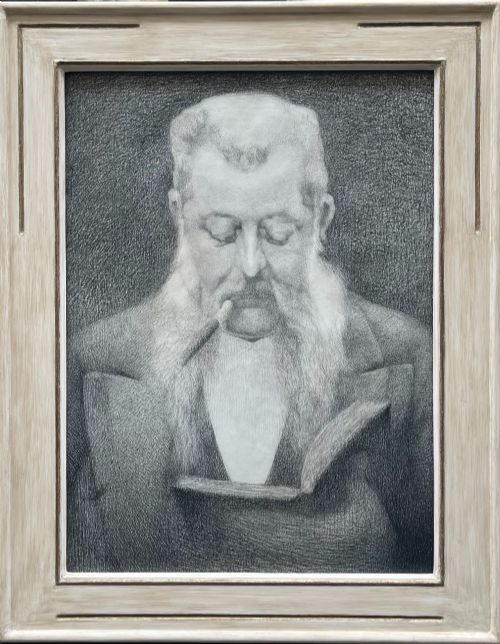
- A drawing executed in graphite, taking its name from the Latin word for lead ore. These detailed works gained popularity for miniature portraiture during the eighteenth century.
- Academic Realism
- A style of painting and drawing produced under the influence of European academies of art. It emphasises precise anatomical accuracy and classical proportion.
- Deux crayon
- A drawing technique utilising two different coloured chalks or pencils, typically black and red, on tinted paper. This method allows artists to build up tonal contrast and highlight form effectively.
- Works on paper
- A collective term encompassing drawings, watercolours, prints, and sketches executed on a paper support. This category highlights the fragile and direct nature of the medium.
- Study
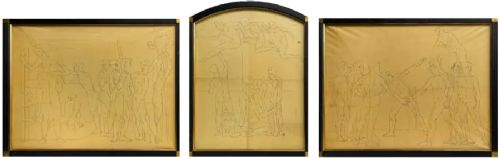
- A preparatory drawing made by an artist to explore a subject or composition before executing a larger finished work. These pieces reveal the internal working method of the creator.
Pencil Drawing Sketch: Frequently Asked Questions
What is a pencil drawing sketch?
A pencil drawing sketch is an original graphic work created on paper using graphite, charcoal, or pencil. These pieces range from rapid compositional notes to highly finished portrait studies.
Collectors prize them for revealing the unmediated thoughts and technical skill of the artist. Each sheet provides a direct window into historic drawing practices.
How were these drawings used?
Artists produced these sketches for various purposes, including preliminary studies for paintings, independent portraits, and travel records. Many served as personal exercises or illustrations for published books.
Over time, collectors mounted and framed these works to display their graphic qualities. They functioned historically as both working tools and finished cabinet pieces.
How do I live with paper art?
Displaying historic drawings requires careful placement away from direct sunlight to prevent the fading of graphite and paper supports. Maintaining stable indoor humidity protects the paper from degradation.
Using conservation-grade framing with UV-blocking glass preserves these delicate works for decades. Proper placement ensures the longevity of both the paper and the framing.
How do I tell periods apart?
Stylistic clues and paper characteristics help distinguish eighteenth, nineteenth, and twentieth-century drawings. Eighteenth-century works often feature laid paper and fine plumbago rendering, while Victorian pieces lean toward academic realism.
Twentieth-century examples introduce modernist approaches, including cubist and surrealist tendencies. Examining the framing, signatures, and paper type clarifies the era of production.