

Pedestal Wine Table
A pedestal wine table antique offers a compact, highly functional surface rooted in centuries of fine domestic design.
Pedestal Wine Table
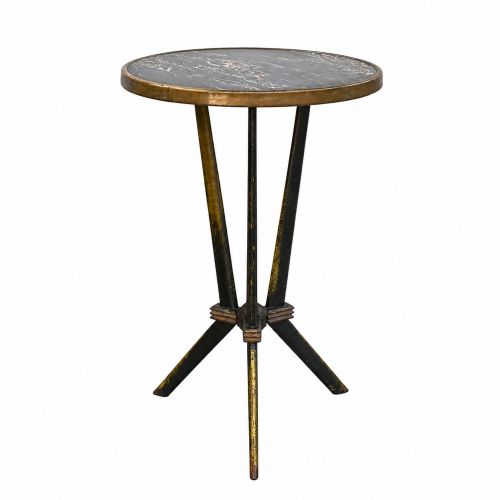
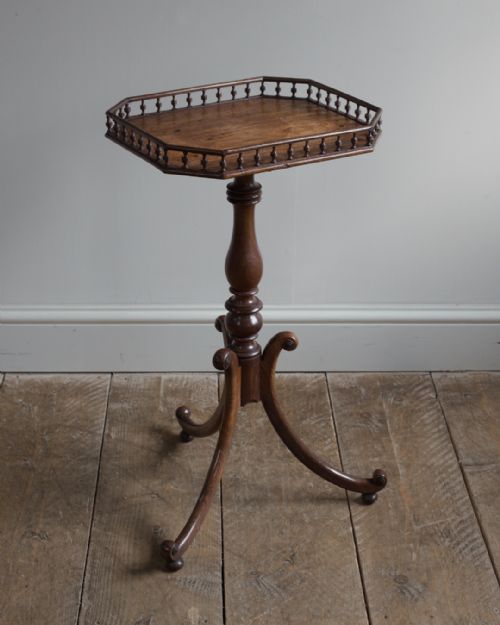
A pedestal wine table antique serves as a small, movable surface designed for holding drinks, lamps, or small display items in period interiors.
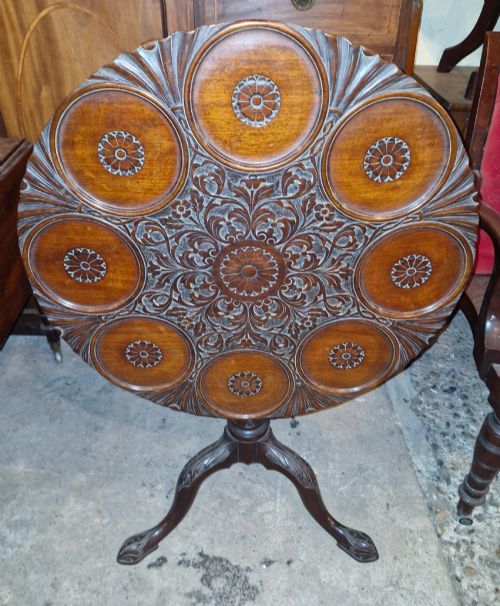
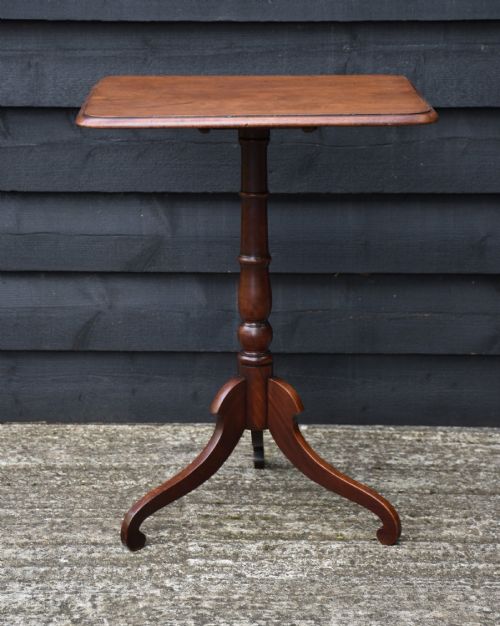
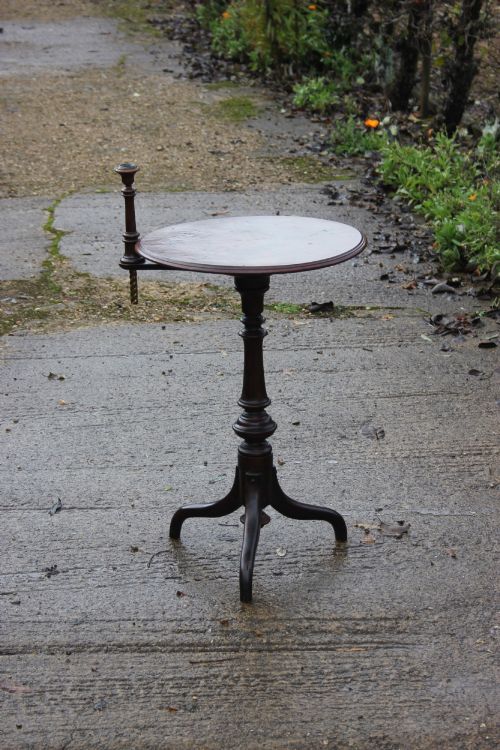
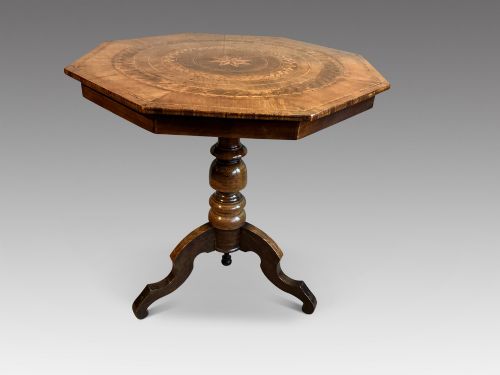
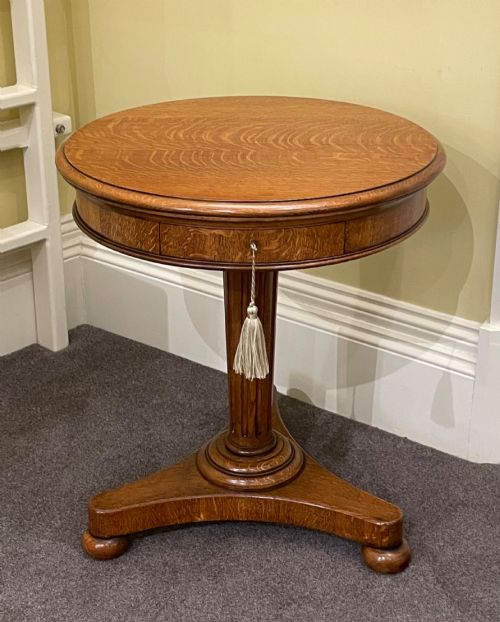
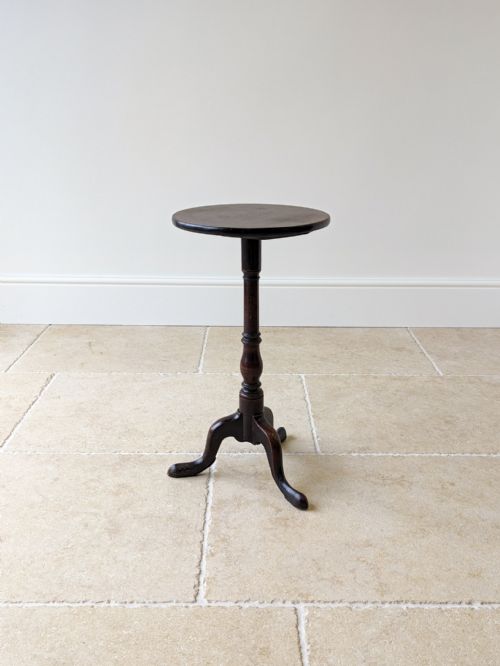
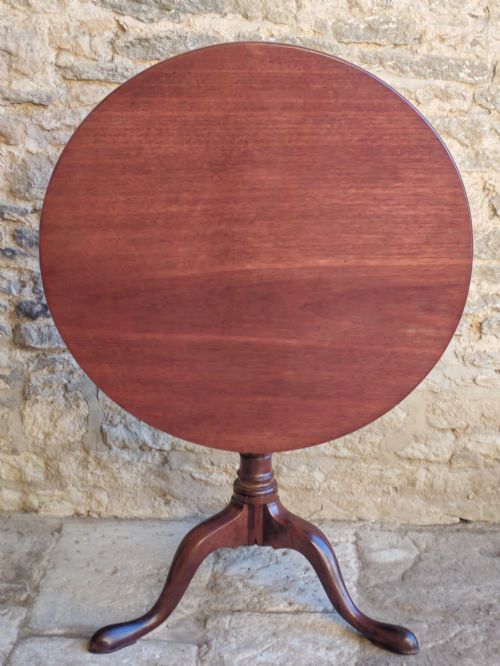
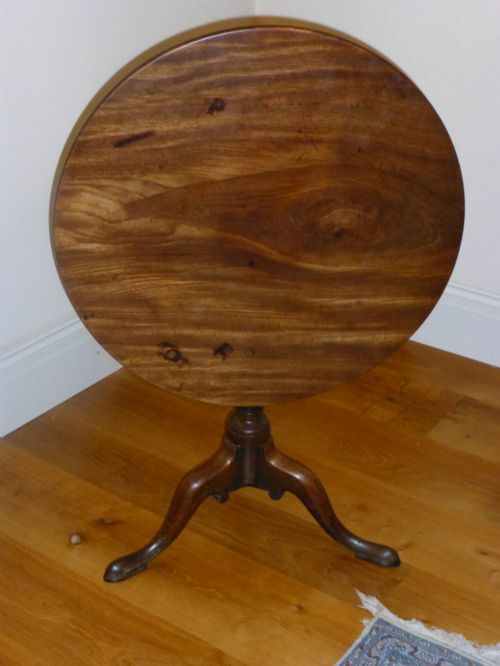
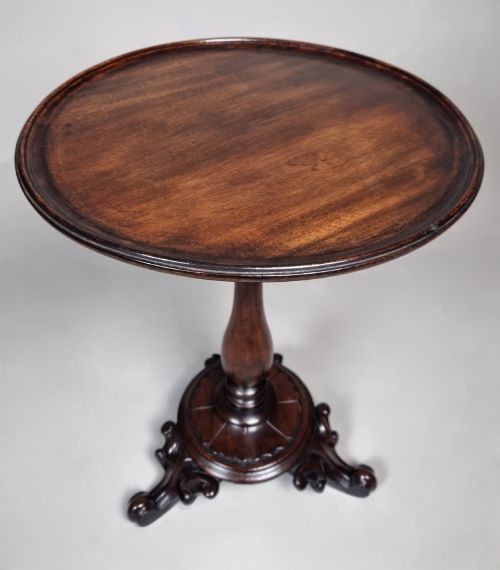
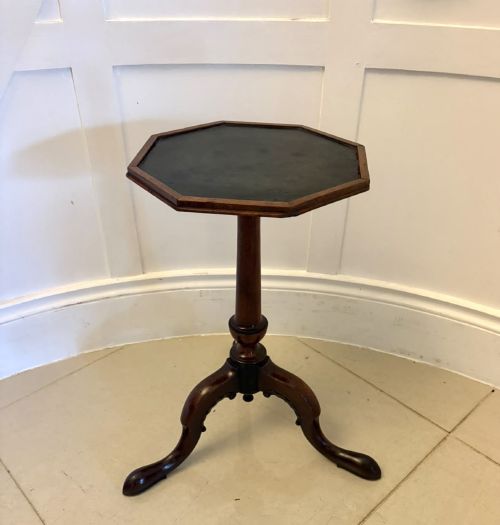
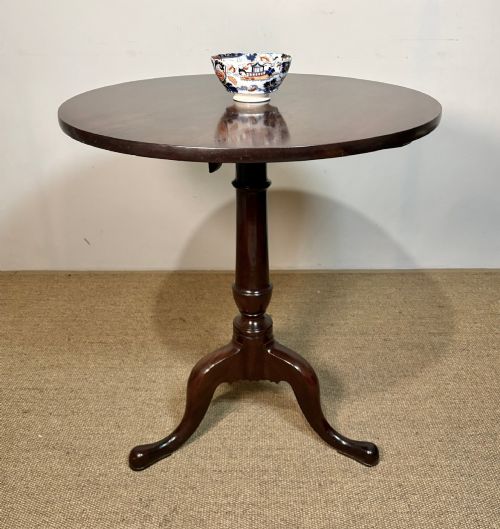
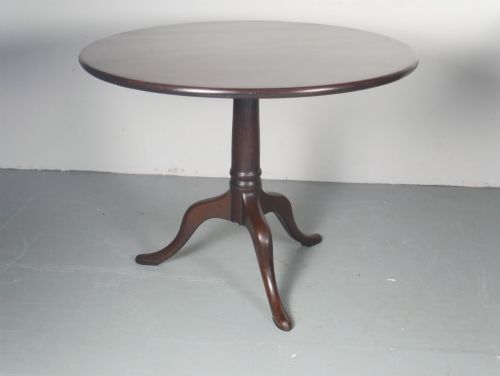
Buyers searching for a pedestal wine table antique commonly encounter mahogany and oak examples resting on tripod bases, often featuring circular or tilt-top mechanisms dating from the Georgian and Victorian eras.
The form encompasses related occasional and tripod tables originating from regional British workshops as well as overseas centres like nineteenth-century India and Italy.
How they were made
Cabinetmakers utilised dense timbers such as mahogany, walnut, oak, and rosewood, often turning the central pedestal from a single solid piece and joining it to three curving legs.
Many examples incorporate a birdcage action or tilt-top mechanism, allowing the top to pivot or fold flat for convenient storage when not in use.
Pedestal Wine Table Retail Price Guide 2026
Typical asking prices for pedestal wine table among the pieces listed under this phrase on Sellingantiques today, from the lower quarter to the upper quarter. They describe what is for sale here now, not the wider market.
Some nineteenth-century tables feature hidden fold-out wells, proving that even historical drinkers appreciated clever storage for their accessories.
What varies in quality
The calibre of a table rests upon the crispness of the timber carving, the stability of the central column joint, and the elegance of the leg sweep.
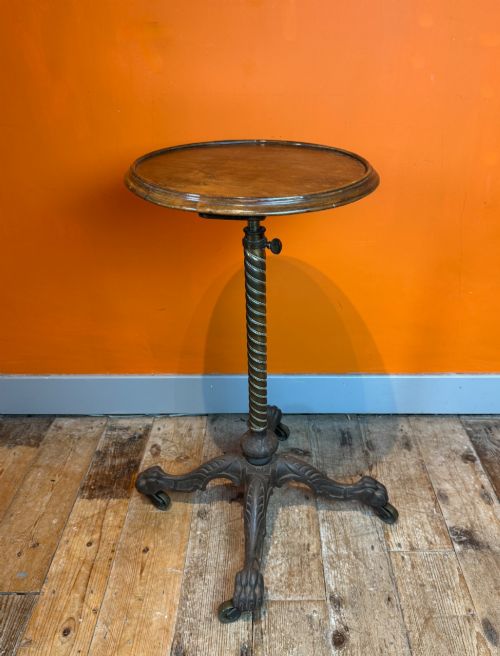
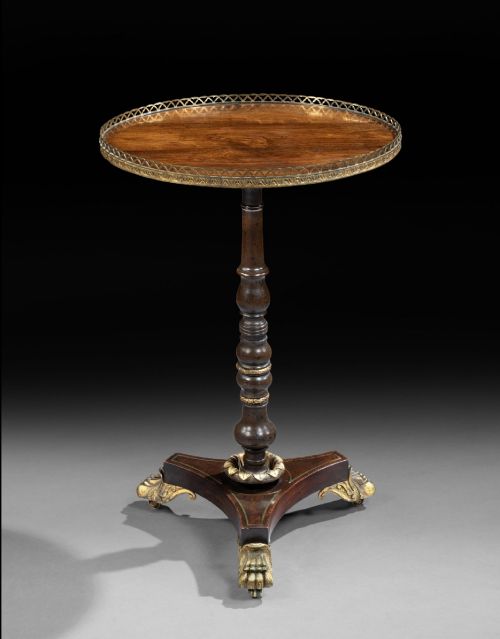
Subtle details such as figured mahogany veneers, brass or cast iron fittings, and specimen stone inlays elevate specific examples above standard utility pieces.
John Bivins·Gillows
The Pedestal Wine Table Glossary
- Tripod table
- A small freestanding table supported by a central pillar resting on three legs. This construction prevents wobbling on uneven historical flooring.
- Tilt-top
- A hinged table top that can be rotated and locked into a vertical position. This clever mechanism allowed the furniture to be tucked against a wall when the room was needed for other purposes.
- Birdcage action
- A rotating wooden framework beneath the table top that permits the surface to revolve and tilt independently. It represents a more complex piece of joinery found on finer examples.
- Goncalo Alves
- A dense, beautifully figured exotic hardwood utilised by select makers for high-end Regency furniture. Its striking grain patterns make it instantly recognisable to collectors.
Pedestal Wine Table: Frequently Asked Questions
What is a pedestal wine table antique used for?
These compact tables were originally designed to hold glasses and bottles near seating areas during evening gatherings in Georgian and Victorian drawing rooms. Today, they function wonderfully as bedside surfaces, lamp tables, or independent display points in smaller spaces.
Their narrow footprint and portable nature make them exceptionally versatile additions to both traditional and contemporary interiors.
How do I identify a Georgian pedestal table?
Georgian examples typically date from the eighteenth century and display restrained proportions, solid mahogany or oak construction, and straightforward tripod bases without excessive ornamentation. Look for pegged joints and patinated timber surfaces that show genuine age.
Later Victorian interpretations often introduce heavier carving, adjustable telescopic brass fittings, or elaborate inlays that clearly distinguish them from their earlier predecessors.
Are all these tables made of mahogany?
While mahogany is certainly the most prevalent timber found across eighteenth- and nineteenth-century examples, makers also utilised walnut, oak, rosewood, fruitwood, padouk, and olive wood. Regional variations often incorporate local materials suited to colonial or continental workshops.
The choice of wood frequently helps date the piece and indicates whether it originated in a British workshop or further afield.