

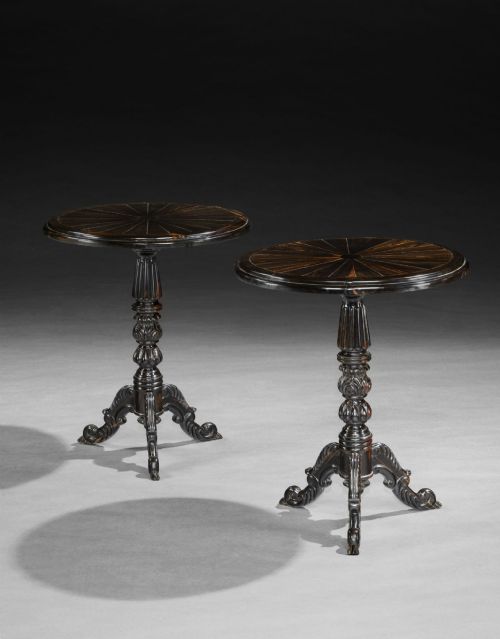
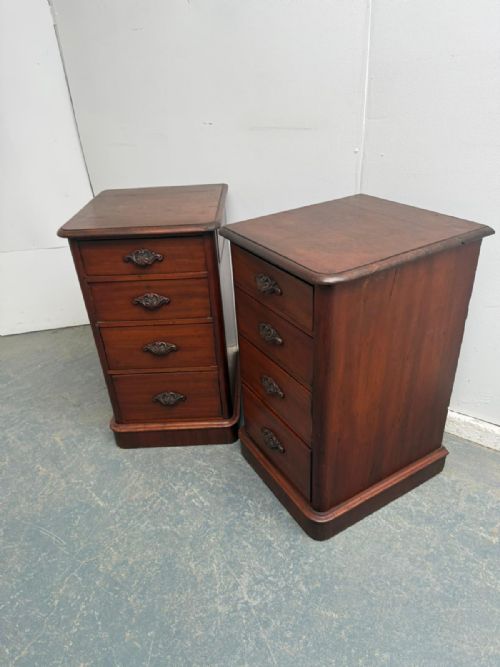
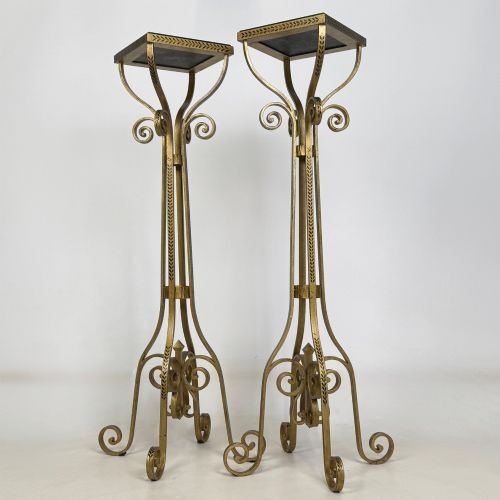
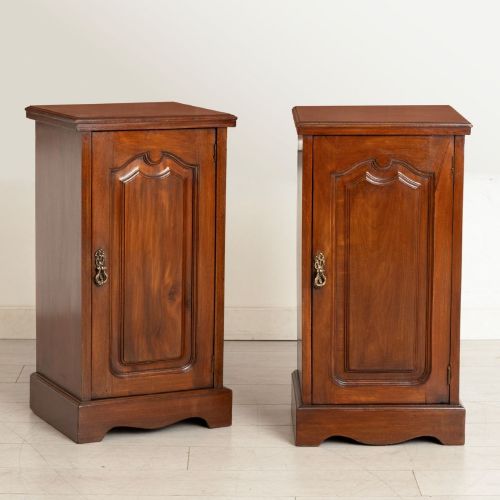
Pedestal Stand Pair
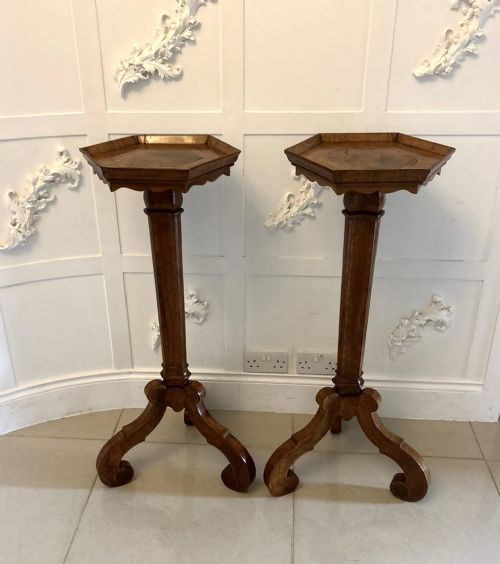
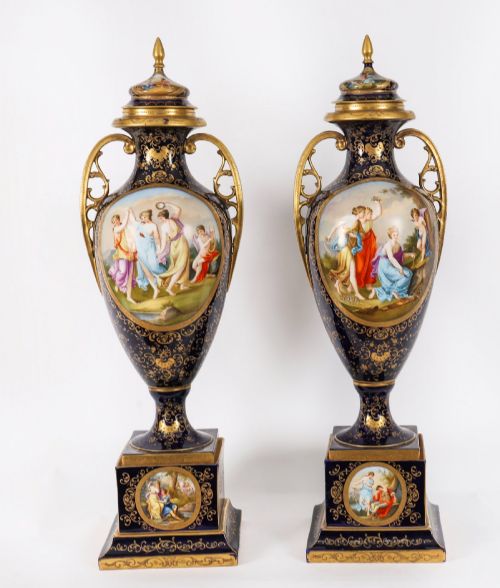
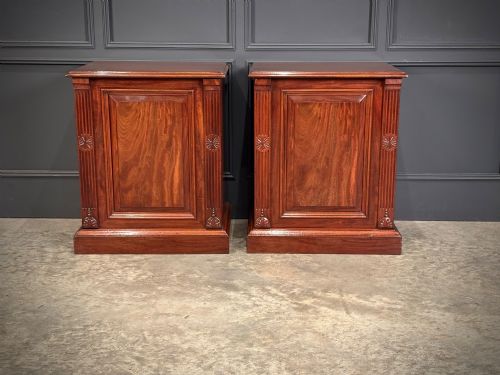
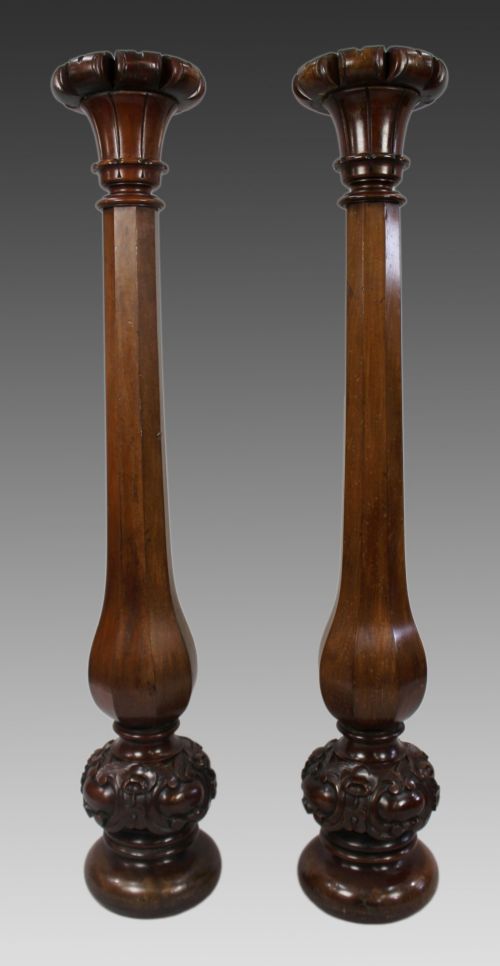
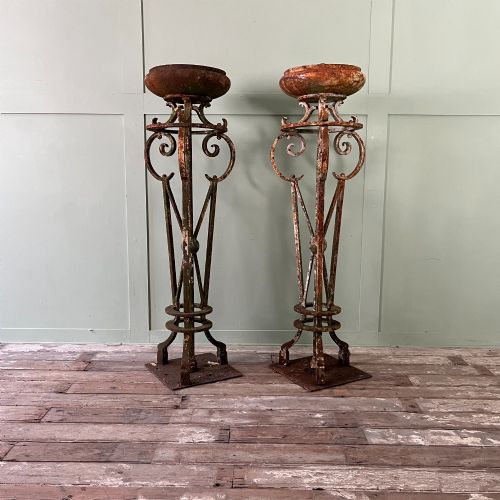
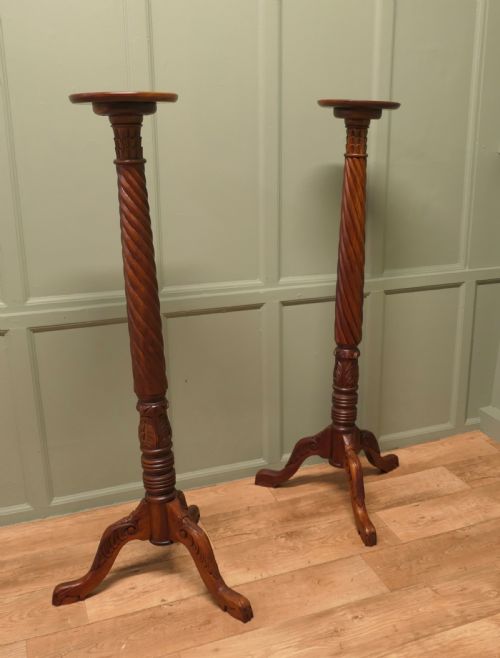
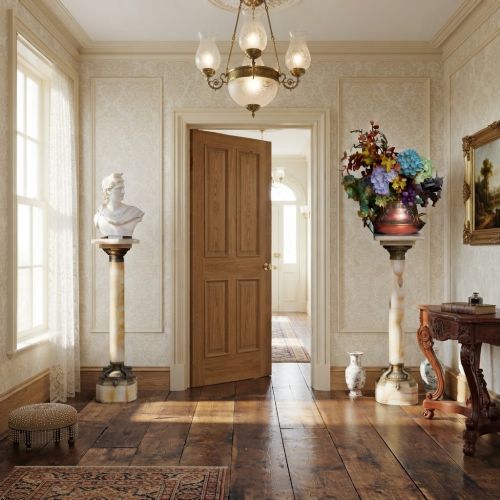
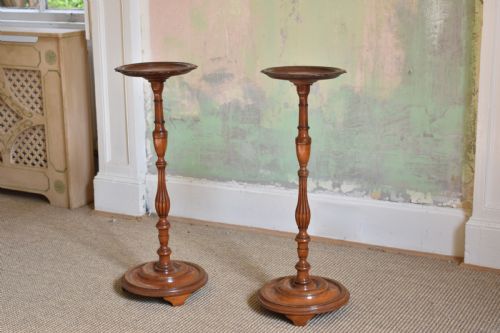
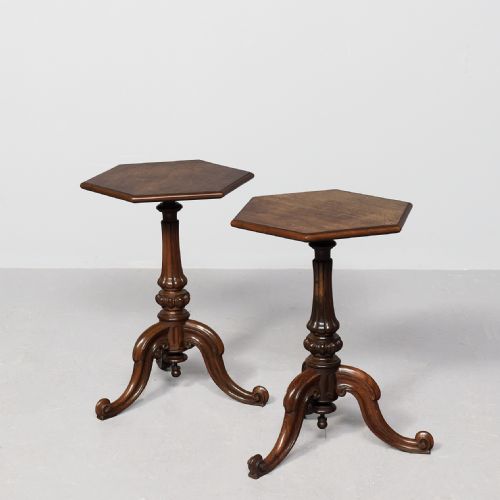
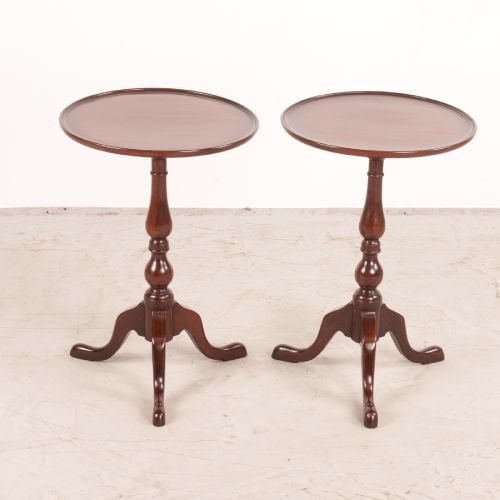
These pedestal stand pair options provide balanced height for displaying sculptures, plants or lighting across period interiors.
Pedestal Stand Pair
A pedestal stand pair brings symmetry and architectural lift to a room, functioning primarily to elevate lamps, urns, and decorative objects. When you search for a pedestal stand pair, you encounter matched configurations designed to flank doorways, fireplaces, or furniture groupings.
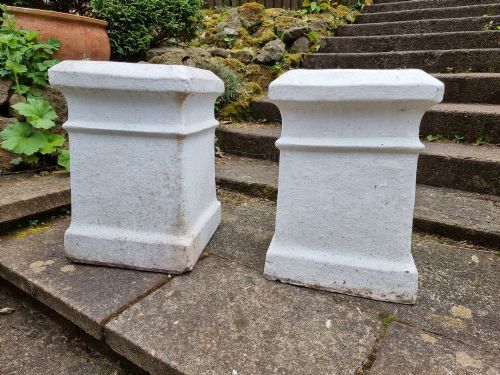
The selections span from Georgian and Victorian eras into the early twentieth century, incorporating diverse regional interpretations from British mahogany wine tables to French marble columns and Asian hardwood pot stands. Common forms include tall torcheres, low lamp tables, and heavy garden plinths.
Makers and craftsmen produced these pairs in varied timbers and stones, reflecting shifts through Neoclassical, Regency, and Gothic revival movements. Buyers frequently meet mahogany and walnut variants alongside painted finishes and composite stone.
Materials and Construction
Cabinetmakers and stone masons relied on dense hardwoods such as mahogany, rosewood, and walnut, often employing intricate inlay, carving, or ebonising to enhance the surface. Turning and joinery created sturdy tripod bases and robust column shafts capable of supporting heavy marble tops and bronze ornaments.
Metal elements like ormolu collars and cast iron frameworks were integrated into French and Victorian designs to add structural rigidity and decorative contrast against stone or wood. Paint, lacquer, and gilt finishes applied over wood or composite stone protected the core material while defining the prevailing aesthetic style of the period.
Listings feature woods spanning mahogany, walnut, rosewood, and satinwood alongside marble, brass, and ormolu across eighteenth to twentieth-century periods.
Judging Quality and Finish
The distinction between standard production and exceptional craftsmanship rests in the crispness of carved details, the selection of figured wood grains, and the stability of the foundational structure. Superior examples exhibit precise joinery, original surface patination, and balanced proportions that remain steady under heavy display items.
Material integrity dictates durability, where solid marbles, uncompromised bronzes, and dense hardwoods hold their structural integrity far better than secondary softwoods or degraded composite stones. The precision in matching a pair ensures that grain patterns and heights align harmoniously, marking the work of superior workshops.
Gillows·George Smith·Thomas Hope·Coalbrookdale
The Pedestal Stand Pair Glossary
- Torchere
- A tall, slender stand designed specifically to hold a lamp or light source. These pieces typically feature a slender column resting on a tripod or weighted base.
- Ormolu
- Gilt bronze ornamentation applied to furniture and decorative objects. This technique was popular in French Neoclassical and Empire designs to highlight structural joints.
- Jardiniere
- A decorative receptacle or stand for holding plants and flowers. They frequently appear in ceramic, stone, or inlaid wood during the Victorian period.
- Tripod base
- A three-legged support structure commonly found on small occasional tables and plant stands. This configuration provides stability on uneven historic floors.
Pedestal Stand Pair: Frequently Asked Questions
Can these stands support heavy items?
Solid hardwood and marble-topped variants are engineered to bear the weight of heavy bronze urns, large planters, and substantial table lamps.
Lighter tripod tables and lacquer pieces suit delicate ceramics and smaller decorative objects rather than heavy stone sculptures.
How do I distinguish Victorian stands from Georgian ones?
Georgian versions typically display restrained classical proportions, premium mahogany grains, and understated carving influenced by Neoclassical design principles.
Victorian pieces often incorporate heavier ornamentation, ebonised finishes, mixed media such as cast iron or ormolu, and more eclectic revival styles.
Are matched pairs always created together?
Many pairs are assembled by dealers from closely related single items sharing identical wood species, height, and decorative motifs from the same period.
True original pairs exhibit matching tool marks, identical wear patterns, and corresponding workshop construction methods throughout both components.